To: Pete from Shawnee Mission
I wonder if that view from Manhattan, KS, is from the hills just north of the town? There is a spot there called “Top of the World” and for Kansas, it is indeed a spot from which one can see in most directions a long way.
Not too far from our place now is another transition zone — where the glaciers stopped roughly along a line from Carbondale, IL to Shawneetown, IL.
War presently having our own little weather “border” of sorts. We were supposed to get about 1-1/2” of rain starting Friday late afternoon, and then continuing until noon or so today. However, most of the rain keeps advancing from the south and then fizzles as it crosses the KY-TN border, mostly dying by the time it gets to that last westward portion of the Ohio River B4 it joins the Mississippi. We’ve had less than 1/10th inch - not much relief for our overall dry start to 2026 (despite the heavy snow/sleet that despite the warm temperatures of the last few days, remnants still persist in a few shaded spots that got significant drifts.) NWS keeps insisting this present rain will move north, but even the 90% probability now comes with predicted amounts of only about another 1/10” of rain. It’s just enough to keep the top of the soil muddy, but general soil moisture, the aquifers, and my attempt to collect some rain water won’t benefit much. :-(
The good news is that some of the drought afflicted areas not too far from here will get some relief.
321 posted on
02/15/2026 3:38:11 AM PST by
Paul R.
(Old Viking saying: "Never be more than 3 steps away from your weapon ... or a Uriah Heep song!" ;-))
To: Paul R.; Diana in Wisconsin
Paul. I Followed a job from N. Illinois to the Kansas City area and have spent most of my time there. I took my daughter to retreats out in Manhattan and Elm Dale KS a couple of times and that is about as far west as I have Been, but it does look like it was taken from the parking spot for the Prairie to the south of Manhattan.
I did not realize that the glaciers made it that far south in Illinois. Only the tip of Illinois escaped . There were several periods of Glaciation and they have different end points. That was one of the earlier and larger ones, the Laurentide ice sheet. We live along the same margin. It ended in NE Kansas about right where I am at the KS/MO border.
_lg.png)
The last ice sheet that ploughed down out of Canada was the Wisconsin Ice Sheet. It did not cover as much area as the Laurentian ice sheet
YouTube video Wisconsin Ice-Margin Positions (Laurentide Ice Sheet) UPDATED (Set of 43 maps showing the position of ice in Wisconsin, beginning at 31,500 years ago and ending at 11,000 years ago. Developed by David Mickelson and John Attig (Wisconsin Geological and Natural History Survey, University of Wisconsin–Extension).
***Note...Sponsor of this thread, "Diana in the Driftless", is in one of those non glaciated zones in SW Wisconsin! (A beautiful area!)
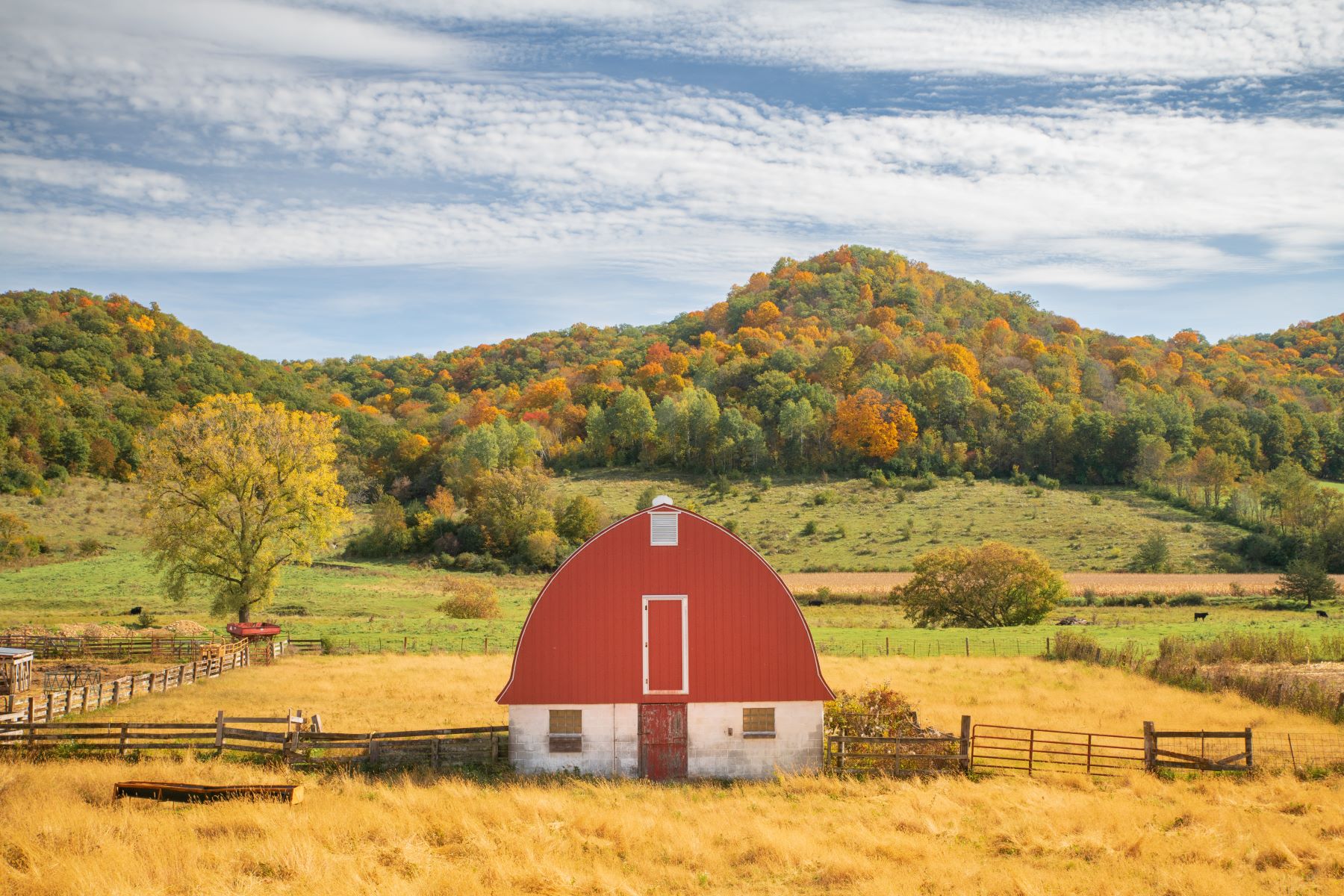

Driftless Wisconsin: Your Outdoor Recreation Playground
(Ok...WI travelogue over!)
FreeRepublic.com is powered by software copyright 2000-2008 John Robinson