My wife heard someone on a podcast say that if you eat kimchi every day you won’t have parasites.
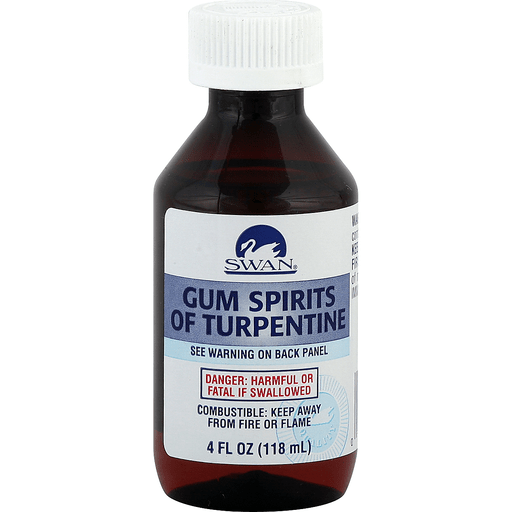
There is also the folk remedy of a teaspoon of pure gum spirits of turpentine (NOT the stuff you buy at the paint store, but the essential oil) with some sugar. Basically a large dose of Pine Candy. Apparently parasites hate the stuff.
GOOGLE AI Overview
While kimchi is not a guaranteed parasite killer, the probiotics it contains can support a healthy gut microbiome, which in turn can help the body fight off and expel parasites. Kimchi’s fermentation process can also inhibit some parasite growth.
Here’s a more detailed explanation:
Probiotics and Gut Health:
Kimchi is a fermented food rich in probiotics, which are beneficial bacteria.
These probiotics help maintain a healthy balance of bacteria in the gut, making it less hospitable for harmful parasites.
A healthy gut microbiome can enhance the body’s natural defense mechanisms against parasites.
Kimchi’s Role in Parasite Control:
Studies have shown that certain chemicals in kimchi can have ovicidal (killing eggs) and larvicidal (killing larvae) effects on some parasites.
However, these effects are often linked to specific concentrations of chemicals like sodium nitrite, not necessarily the overall kimchi itself.
The fermentation process in kimchi can also inhibit parasite growth, but the extent of this effect may vary.
Important Considerations:
It’s crucial to note that kimchi is not a substitute for proper medical treatment of parasitic infections.
If you suspect a parasitic infection, it’s essential to consult a healthcare professional for diagnosis and treatment.
While kimchi can be a beneficial addition to a healthy diet, it’s not a guaranteed cure for parasites.
In conclusion: Kimchi’s probiotic content and fermentation process can contribute to a healthy gut environment that supports the body’s natural defenses against parasites, but it’s not a primary treatment for parasitic infections according to multiple sources.
Pine Bark capsules.
Cloves too.