Skip to comments.
How Much Oil is Needed to Make One Car Tire?
Tire Mart ^
| July 13, 2022
Posted on 10/02/2023 7:00:36 AM PDT by Red Badger
click here to read article
Navigation: use the links below to view more comments.
first previous 1-20, 21-40 last
To: Bloody Sam Roberts
Maybe we can get Biden & the other radical environmentalists to just fold their tents & go home...or maybe to Mars...just so they go someplace where they quit handicapping real progress.
21
posted on
10/02/2023 8:25:54 AM PDT
by
oldtech
To: Delta 21
That EVIL CARBON!.........................
22
posted on
10/02/2023 8:26:52 AM PDT
by
Red Badger
(Homeless veterans camp in the streets while illegal aliens are put up in hotels.....................)
To: eyeamok
Yes, no more EV’s!
It l00ks like that will happen right after they get rid of gas engine’s cars.
But wait, horses make a lot of methane!
23
posted on
10/02/2023 8:29:37 AM PDT
by
AZJeep
To: Red Badger
The headline asks how much oil to make a tire.
The answer is way, way down in the article. Very poor journalism.
It take about 6 gallons per car tire for the rubber itself. Whoopee!
To: Tell It Right
Tire dust is a real thing. Long story how I know this, but we measured it with a particulate counter that would measure how many particles per cu.ft. there were by size range down to the sub micron level. We were doing some indoor air quality consulting work. And yes, samples near a major 5 lane 1-way urban artery measured significantly higher particulate counts. Some of it was tire wear particles, some of it was diesel exhaust.
Now, do I think this is the major environmental issue I’m sure the EPA will be trumpeting? Doubt it. I’m from Missouri for the moment - SHOW ME!
25
posted on
10/02/2023 8:48:08 AM PDT
by
FreedomPoster
(Islam delenda est)
To: yefragetuwrabrumuy
I was on a project with a group of egg head engineers. We had to commute on the freeways of Houston and one morning over coffee contemplated what happens to all the tire material that wears away on the pavement. Someone did a quick estimate and we quickly concluded that there was so much material worn away that there should be piles of the stuff along side the roadways. There isn't of course.
So what happens to it? Turns out there are microbes along the roadways that eat the tire debris. So next question, what does happen to all the tire debris mass that gets converted into microbes?
26
posted on
10/02/2023 9:00:54 AM PDT
by
Sequoyah101
(Procrastination is just a form of defiance)
To: Red Badger
LOL...that’s hilarious! No oil used to make those tires, was there?
27
posted on
10/02/2023 9:27:54 AM PDT
by
ProtectOurFreedom
(“Occupy your mind with good thoughts or your enemy will fill them with bad ones.” ~ Thomas More)
To: Delta 21
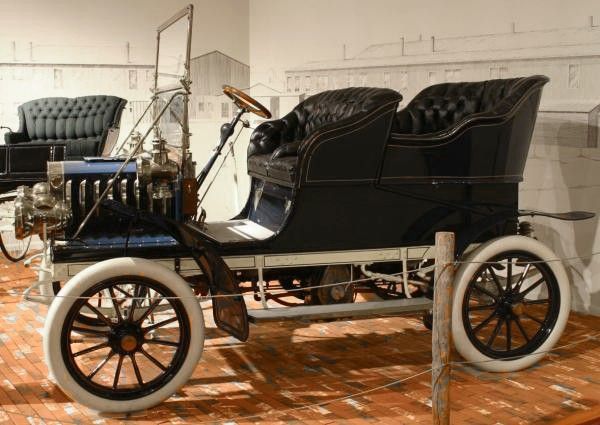
The History and Timeline of Whitewall Tires Originally, automotive tires were off white in color, due to the natural color of the rubber formula used by tire companies. Zinc oxide would later be used to give the tires a more bright white color. Then, in 1910, B.F. Goodrich used a substance called "carbon black" in the manufacturing process. This formula strengthened the rubber, which was quite important considering the condition of the roads back then. When mixed with the raw materials, the carbon black caused the tire to be black. A short time later, a smaller tire company jumped on the carbon black bandwagon, but only added it to the tread surface as a cost savings. The result? Black tread and white sidewalls.
While the first whitewall tire wasn't intended to be a style enhancer, it quickly caught on and other tire companies began producing purpose-built whitewall tires. By the 1920's, whitewall tires became more popular on high end luxury cars, such as Duesenberg, but more conservative car manufacturers didn't adopt whitewall tires as a factory option until the 1930's. For instance, Ford first introduced the whitewall tire option in 1934.
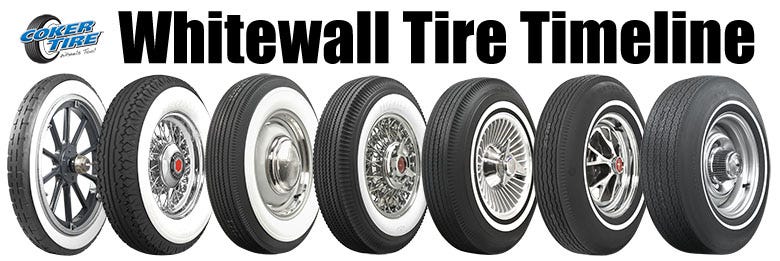
1904 Auburn with all white rubber tires
28
posted on
10/02/2023 9:34:42 AM PDT
by
ProtectOurFreedom
(“Occupy your mind with good thoughts or your enemy will fill them with bad ones.” ~ Thomas More)
To: ProtectOurFreedom
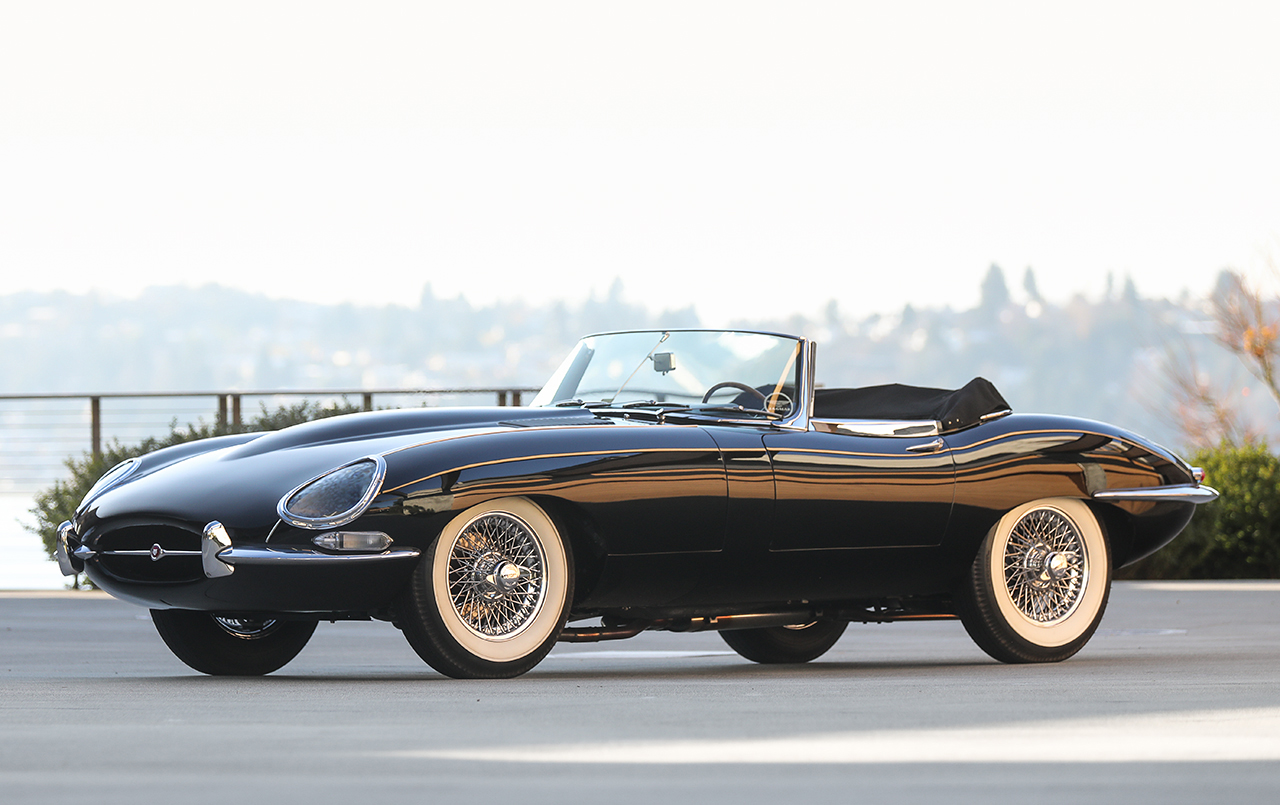
Very nice. Now I am swooning.
29
posted on
10/02/2023 10:10:12 AM PDT
by
Delta 21
(If anyone is treasonous, it is those who call me such.)
To: Delta 21
OOOHHH...probably my all-time favorite car. A neighbor a couple doors down had an XKE in his garage for years. It was his project car that he never got around to! They moved to Florida and we lost touch. I think he sold it when they moved.
That is a real beauty! Best coachwork ever.
30
posted on
10/02/2023 10:18:00 AM PDT
by
ProtectOurFreedom
(“Occupy your mind with good thoughts or your enemy will fill them with bad ones.” ~ Thomas More)
To: BBB333
“Most of these tires are used up entirely each race weekend!”
Sound like the Formula 1 tire suppliers need to read this article as it contains lots of the small ingredients and processes to make tires FAR LONGER than what they’re now getting.
31
posted on
10/02/2023 10:22:03 AM PDT
by
BobL
(I own an F150 so that I can tow my boat all day Saturday and look Manly)
To: Red Badger
According to the Rubber Manufacturers Association, it takes “approximately 7 gallons” of oil to produce a single tire. “Five gallons are used as feedstock (from which the substances that combine to form synthetic rubber are derived), while two gallons supply the energy necessary for the manufacturing process.” Mar 2, 2012
Dunn Tire
https://www.dunntire.com
32
posted on
10/02/2023 10:48:20 AM PDT
by
consult
To: AnglePark
“I always say there’s nothing stopping those Leftwing Loonies from living that lifestyle now”
It is not about THEM living that lifestyle, it is about YOU. Assuming you are not culled beforehand, YOU will live that lifestyle and THEY will make sure you comply.
33
posted on
10/02/2023 10:57:42 AM PDT
by
beef
(The pendulum will not swing back. It will snap back. Hard.)
To: AZJeep
“But wait, horses make a lot of methane!”
There will be no horses in the Deindustrial Revolution. That would be a violation of horse rights. YOU will be pulling the cart.
34
posted on
10/02/2023 11:04:19 AM PDT
by
beef
(The pendulum will not swing back. It will snap back. Hard.)
To: beef
I understand that, completely. I’m making a facetious point about their willingness (or lack thereof) to live up to their own demands placed on everyone else.
35
posted on
10/02/2023 11:10:55 AM PDT
by
AnglePark
(My opinion is the most worthless thing I own.)
To: BobL
Race tires are made of softer
rubber compounds for grip on
the track. Softer compounds
wear quicker. Race tires are
also subject to more heat
that is generated via glowing
red hot disc brake calipers,
and higher frictions from
cornering.
Hoosier, Goodyear, Firestone,
et al, spend lots of time, and
money, testing different compounds
under a myriad of conditions.
36
posted on
10/02/2023 12:04:09 PM PDT
by
Lean-Right
(Eat More Moose)
To: BobL
“Sound like the Formula 1 tire suppliers need to read this article as it contains lots of the small ingredients and processes to make tires FAR LONGER than what they’re now getting.”
That would be uncompetitive.
These race cars can corner and brake at over 5 G’s (and accelerate at over 3 G’s) — as such at each race there are three tire compounds available (two MUST be used in the race) ranging from harder to softer...the hard tire lasts longer but is 1 to 2 seconds slower than the softest tire — there is never a need for longer lasting tires.
I do appreciate your comment.
37
posted on
10/02/2023 1:10:00 PM PDT
by
BBB333
(The Power Of Trump Compels You!)
To: Red Badger
To: Red Badger
I have killed thousands of rubber trees.
How much is used in the plastic parts of a car?
39
posted on
10/02/2023 1:31:39 PM PDT
by
mountainlion
(Live well those that did not make it back.)
To: Red Badger
Yet..... nary a mention of Guayule.
40
posted on
10/02/2023 5:57:20 PM PDT
by
LastDayz
(A blunt and brazen Texan. I will not be assimilated.)
Navigation: use the links below to view more comments.
first previous 1-20, 21-40 last
Disclaimer:
Opinions posted on Free Republic are those of the individual
posters and do not necessarily represent the opinion of Free Republic or its
management. All materials posted herein are protected by copyright law and the
exemption for fair use of copyrighted works.
FreeRepublic.com is powered by software copyright 2000-2008 John Robinson