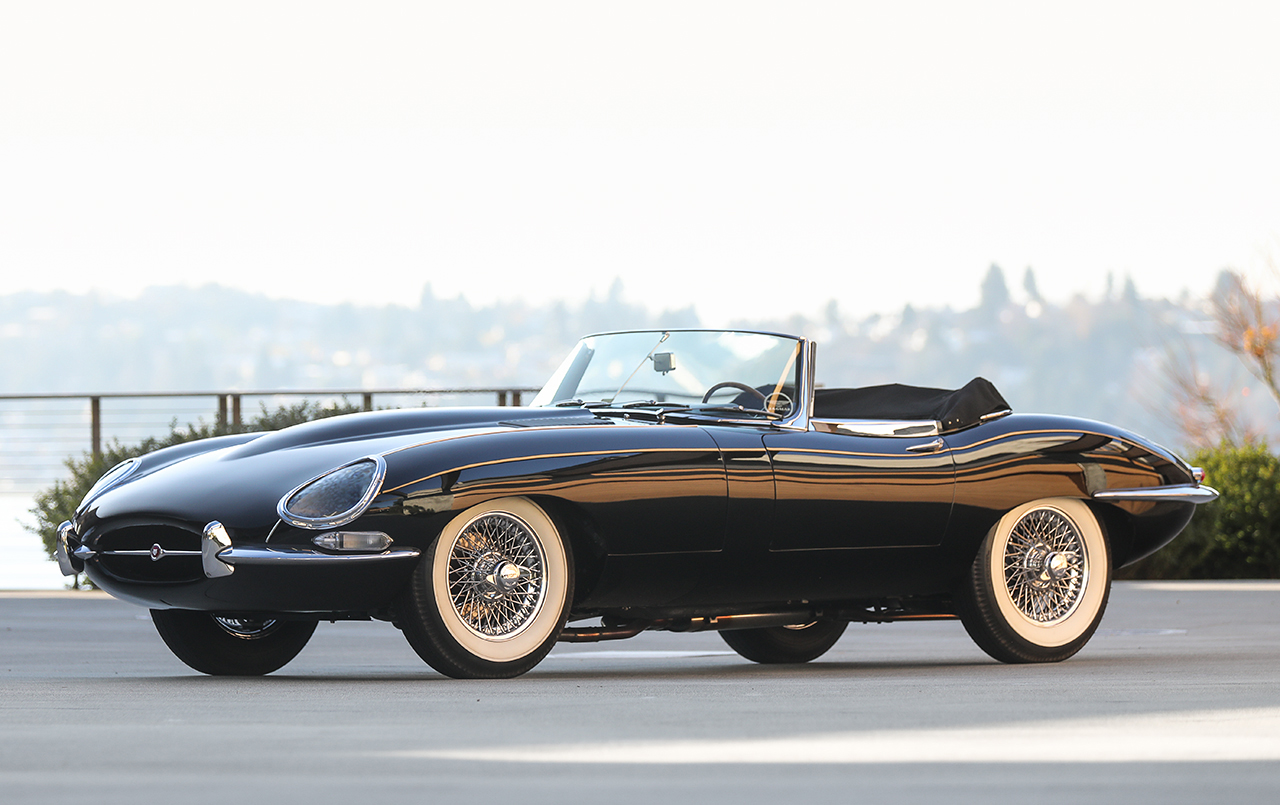
Originally, automotive tires were off white in color, due to the natural color of the rubber formula used by tire companies. Zinc oxide would later be used to give the tires a more bright white color. Then, in 1910, B.F. Goodrich used a substance called "carbon black" in the manufacturing process. This formula strengthened the rubber, which was quite important considering the condition of the roads back then. When mixed with the raw materials, the carbon black caused the tire to be black. A short time later, a smaller tire company jumped on the carbon black bandwagon, but only added it to the tread surface as a cost savings. The result? Black tread and white sidewalls.
While the first whitewall tire wasn't intended to be a style enhancer, it quickly caught on and other tire companies began producing purpose-built whitewall tires. By the 1920's, whitewall tires became more popular on high end luxury cars, such as Duesenberg, but more conservative car manufacturers didn't adopt whitewall tires as a factory option until the 1930's. For instance, Ford first introduced the whitewall tire option in 1934.

1904 Auburn with all white rubber tires