
Posted on 11/02/2026 9:05:16 PM PST by fidelis
One of those at table with Jesus said to him, “Blessed is the one who will dine in the Kingdom of God.” He replied to him, “A man gave a great dinner to which he invited many. When the time for the dinner came, he dispatched his servant to say to those invited, ‘Come, everything is now ready.’ But one by one, they all began to excuse themselves.” Luke 14:15–18
Today we continue reading from Jesus’ teachings during a dinner at the home of one of the leading Pharisees. Present were many of the town’s social elites, all watching Jesus closely with hostile suspicion. During the meal, Jesus told them that when they host a banquet, they should invite “the poor, the crippled, the lame, the blind,” and that “blessed indeed will you be because of their inability to repay you. For you will be repaid at the resurrection of the righteous” (Luke 14:13–14). It is to that statement that one of the guests responded.
The unnamed person who exclaimed, “Blessed is the one who will dine in the Kingdom of God,” seems to have grasped Jesus’ message—that the reward given at the “resurrection of the righteous” far surpasses the fleeting rewards of social status. While many guests likely recoiled at the idea of welcoming the poor, crippled, lame, or blind into their homes, Jesus was speaking of the banquet of Heaven, to which all are invited in various ways.
In response, Jesus tells the Parable of the Great Banquet, in which a man prepares a lavish feast and invites many guests. Yet one by one, they offer excuses, choosing not to come.
But the banquet was ready and the feast abundant. The master of the house therefore instructed his servant, “Go out quickly into the streets and alleys of the town and bring in here the poor and the crippled, the blind and the lame” (Luke 14:21). Though many responded, there was still room. So the master gave one final command: “Go out to the highways and hedgerows and make people come in, that my home may be filled. For, I tell you, none of those men who were invited will taste my dinner” (Luke 14:23–24).
When applying this parable to our own lives, we should see ourselves in one of three groups. In Jesus’ time, the first group referred to the people of Israel—particularly the religious and social elites. Today, it may include anyone privileged to have received the Gospel message with clarity, to have been invited to share in the life of grace, and yet has failed to respond. Sadly, this is all too common. That failure may stem from malice, complacency, distraction, or attachment to worldly affairs. These are the ones who have heard the invitation but offer excuses because their hearts are not truly disposed to devote the time and energy required for the commitment of discipleship.
Reflect today on which category you fall into. Are you attentive and eager to respond each time God calls, or do you cling to excuses, comforts, or worldly pursuits? Once the Gospel reaches you, do you devote the time and effort required for discipleship and allow it to shape you, change you, and fill you with gratitude? Or do distractions and attachments interfere with your response to every grace-filled invitation God sends your way? The banquet is prepared, the table is set, and the invitation has been extended to us all. The only question is—will you come? Reciprocate God’s generosity by setting aside all that distracts you and come to His feast today.
Most generous Lord, You have prepared an abundant feast of grace and mercy, yet I so often fail to respond. Help me to hear Your invitation in this world—through the Eucharist, the other Sacraments, and every prompting of grace. May my willing response today prepare me for the glorious and eternal Banquet Feast of Heaven. Jesus, I trust in You.

|
Click here: to donate by Credit Card Or here: to donate by PayPal Or by mail to: Free Republic, LLC - PO Box 9771 - Fresno, CA 93794 Thank you very much and God bless you. |
Please keep in mind that this is a Catholic Caucus/Devotional thread for the purpose of prayerful reflection on the Sacred Scriptures and is closed to debate of any kind. Per FR policy on Religion Caucus threads, off-topic, argumentative, and abusive comments are not allowed and will be submitted to the Mods for deletion. Thanks, and God bless you.
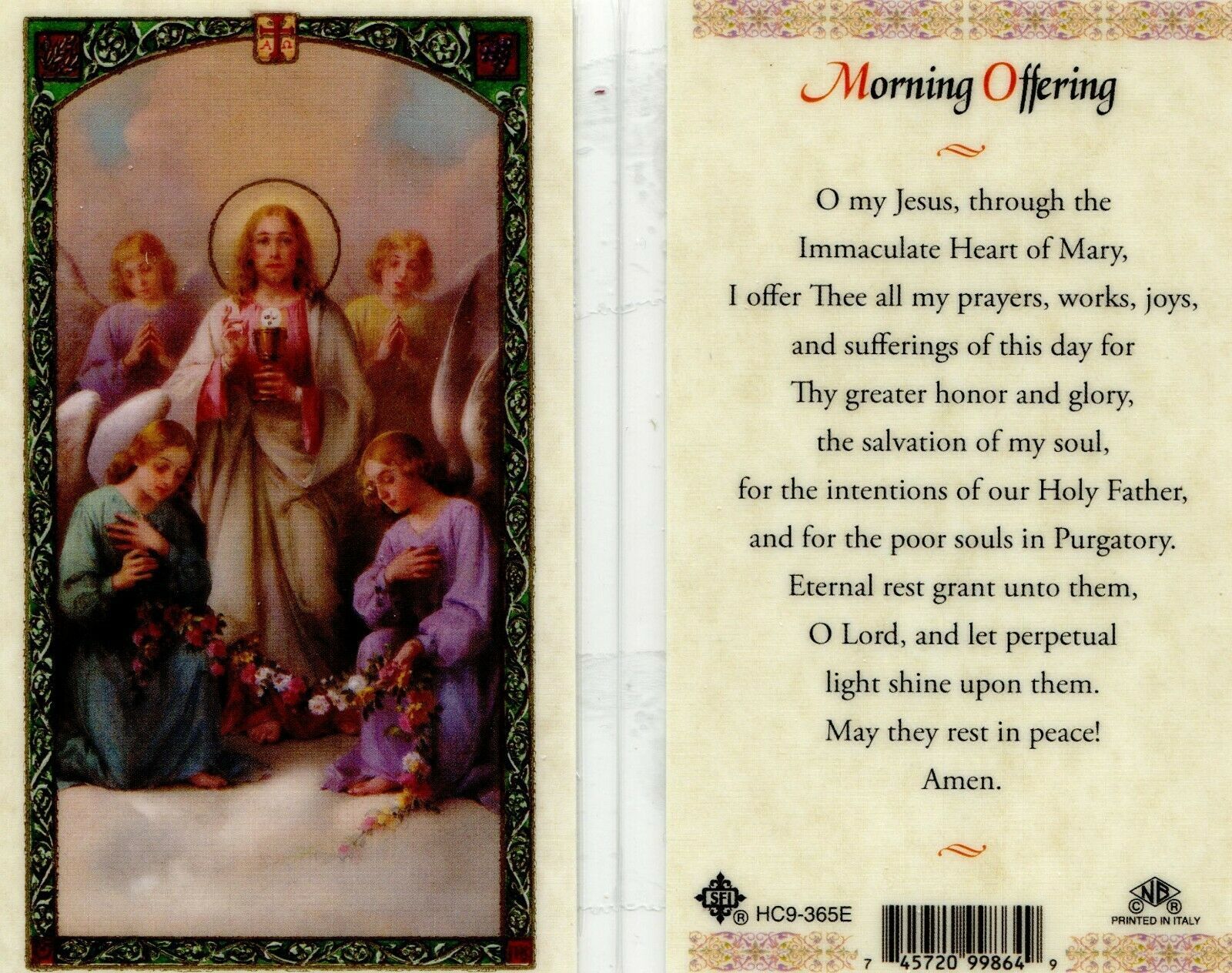

The Month of November is Dedicated to the Holy Souls in Purgatory
“It is a holy and wholesome thought to pray for the dead, so they may be loosed from sins..” (2 Maccabees 12:46)

Pope Leo XIV’s prayer intention for the month of November, 2026:
For the proper use of wealth
Let us pray for the proper use of wealth, that not succumbing to the temptation of selfishness, it may always be put at the service the common good and solidarity of those who have less.

Today’s First Reading
From: Philippians 2:5-11
Hymn in Praise of Christ's Self-Emptying
----------------------------------------
[5] Have this mind among yourselves, which was in Christ Jesus,) [6] who, though He was in the form of God, did not count equality with God a thing to be grasped, [7] but emptied Himself, taking the form of a servant, being born in the likeness of men. [8] And being found in human form He humbled Himself and became obedient unto death, even death on a cross. [9] Therefore God has highly exalted Him and bestowed on Him the name which is above every name, [10] that at the name of Jesus every knee should bow, in Heaven and on earth and under the earth, [11] and every tongue confess that Jesus Christ is Lord, to the glory of God the Father.
***********************************************************************
Commentary:
3-11. Verse 3 exhorts us to see others as better than ourselves. Our Lord, although he was our superior in all respects, did not see his divinity as something to boast about before men (v. 6). In fact, he humbled himself and emptied himself (vv. 7-8), was not motivated by conceit or selfishness (cf. v. 3), did not look to his own interests (cf. v. 4), and "became obedient unto death" (v. 8), thereby carrying out the Father's plan for man's salvation. By reflecting on his example we shall come to see that suffering for Christ is a sign of salvation (cf. 1:28-29): after undergoing the sufferings of his passion and death, Christ was publicly exalted above all creation (cf. vv. 9-11).
Our Lord offers us a perfect example of humility. "The coming of our Lord Jesus Christ, the Scepter of God's Majesty, was in no pomp of pride and haughtiness--as it could so well have been--but in self-abasement [...]. You see, dear friends, what an example we have been given. If the Lord humbled himself in this way, what ought we to do, who through him have come under the yoke of his guidance?" (St Clement of Rome, "Letter to the Corinthians", 13).
5. The Apostle's recommendation, "'Have this mind among yourselves, which was in Christ Jesus, requires all Christians, so far as human power allows, to reproduce in themselves the sentiments that Christ had when He was offering Himself in sacrifice--sentiments of humility, of adoration, praise, and thanksgiving to the divine majesty. It requires them also to become victims, as it were; cultivating a spirit of self-denial according to the precepts of the Gospel, willingly doing works of penance, detesting and expiating their sins. It requires us all, in a word, to die mystically with Christ on the Cross, so that we may say with the same Apostle: 'I have been crucified with Christ' (Galatians 2:19)" (Pope Pius XII, "Mediator Dei", 22).
6-11. In what he says about Jesus Christ, the Apostle is not simply proposing Him as a model for us to follow. Possibly transcribing an early liturgical hymn (and) adding some touches of his own, he is--under the inspiration of the Holy Spirit--giving a very profound exposition of the nature of Christ and using the most sublime truths of faith to show the way Christian virtues should be practiced.
This is one of the earliest New Testament texts to reveal the divinity of Christ. The epistle was written around the year 62 (or perhaps before that, around 55) and if we remember that the hymn of Philippians 2:6-11 may well have been in use prior to that date, the passage clearly bears witness to the fact that Christians were proclaiming, even in those very early years, that Jesus, born in Bethlehem, crucified, died and buried, and risen from the dead, was truly both God and man.
The hymn can be divided into three parts. The first (verses 6 and the beginning of 7) refers to Christ's humbling Himself by becoming man. The second (the end of verse 7 and verse 8) is the center of the whole passage and proclaims the extreme to which His humility brought Him: as man He obediently accepted death on the cross. The third part (verses 9-11) describes His exaltation in glory. Throughout St. Paul is conscious of Jesus' divinity: He exists from all eternity. But he centers his attention on His death on the cross as the supreme example of humility. Christ's humiliation lay not in His becoming a man like us and cloaking the glory of His divinity in His sacred humanity: it also brought Him to lead a life of sacrifice and suffering which reached its climax on the cross, where He was stripped of everything He had, like a slave. However, now that He has fulfilled His mission, He is made manifest again, clothed in all the glory that befits His divine nature and which His human nature has merited.
The man-God, Jesus Christ, makes the cross the climax of His earthly life; through it He enters into His glory as Lord and Messiah. The Crucifixion puts the whole universe on the way to salvation.
Jesus Christ gives us a wonderful example of humility and obedience. "We should learn from Jesus' attitude in these trials," [St.] Monsignor Escriva reminds us. "During His life on earth He did not even want the glory that belonged to Him. Though He had the right to be treated as God, He took the form of a servant, a slave (cf. Philippians 2:6-7). And so the Christian knows that all glory is due God and that he must not use the sublimity and greatness of the Gospel to further his own interests or human ambitions.
"We should learn from Jesus. His attitude in rejecting all human glory is in perfect balance with the greatness of His unique mission as the beloved Son of God who becomes incarnate to save men" ("Christ Is Passing By", 62).
6-7. "Though He was in the form of God" or "subsisting in the form of God": "form" is the external aspect of something and manifests what it is. When referring to God, who is invisible, His "form" cannot refer to things visible to the senses; the "form of God" is a way of referring to Godhead. The first thing that St. Paul makes clear is that Jesus Christ is God, and was God before the Incarnation. As the "Nicene-Constantinopolitan Creed" professes it, "the only-begotten Son of God, born of the Father before time began, light from light, true God from true God."
"He did not count equality with God as something to be grasped": the Greek word translated as "equality" does not directly refer to equality of nature but rather the equality of rights and status. Christ was God and He could not stop being God; therefore, He had a right to be treated as God and to appear in all His glory. However, He did not insist on this dignity of His as if it were a treasure which He possessed and which was legally His: it was not something He clung to and boasted about. And so He took "the form of a servant". He could have become man without setting His glory aside--He could have appeared as He did, momentarily, as the Transfiguration (cf. Matthew 17:1ff); instead He chose to be like men, in all things but sin (cf. verse 7). By becoming man in the way He did, He was able, as Isaiah prophesied in the Song of the Servant of Yahweh, to bear our sorrows and to be stricken (cf. Isaiah 53:4).
"He emptied Himself", He despoiled Himself: this is literally what the Greek verb means. But Christ did not shed His divine nature; He simply shed its glory, its aura; if He had not done so it would have shone out through His human nature. From all eternity He exists as God and from the moment of the Incarnation He began to be man. His self-emptying lay not only in the fact that the Godhead united to Himself (that is, to the person of the Son) something which was corporeal and finite (a human nature), but also in the fact that this nature did not itself manifest the divine glory, as it "ought" to have done. Christ could not cease to be God, but He could temporarily renounce the exercise of rights that belonged to Him as God--which was what He did.
Verses 6-8 bring the Christian's mind the contrast between Jesus and Adam. The devil tempted Adam, a mere man, to "be like God" (Genesis 3:5). By trying to indulge this evil desire (pride is a disordered desire for self-advancement) and by committing the sin of disobeying God (cf. Genesis 3:6), Adam drew down the gravest misfortunes upon himself and on his whole line (present potentially in him): this is symbolized in the Genesis passage by his expulsion from Paradise and by the physical world's rebellion against his lordship (cf. Genesis 3:16-24). Jesus Christ, on the contrary, who enjoyed divine glory from all eternity, "emptied Himself": He chooses the way of humility, the opposite way to Adam's (opposite, too, to the way previously taken by the devil). Christ's obedience thereby makes up for the disobedience of the first man; it puts mankind in a position to more than recover the natural and supernatural gifts with which God endowed human nature at the Creation. And so, after focusing on the amazing mystery of Christ's humiliation or self-emptying ("kenosis" in Greek), this hymn goes on joyously to celebrate Christ's exaltation after death.
Christ's attitude in becoming man is, then, a wonderful example of humility. "What is more humble", St. Gregory of Nyssa asks, "than the King of all creation entering into communion with our poor nature? The King of kings and Lord of lords clothes Himself with the form of our enslavement; the Judge of the universe comes to pay tribute to the princes of this world; the Lord of creation is born in a cave; He who encompasses the world cannot find room in the inn...; the pure and incorrupt one puts on the filthiness of our nature and experiences all our needs, experiences even death itself" ("Oratio I In Beatitudinibus").
This self-emptying is an example of God's infinite goodness in taking the initiative to meet man: "Fill yourselves with wonder and gratitude at such a mystery and learn from it. All the power, all the majesty, all the beauty, all the infinite harmony of God, all His great and immeasurable riches. God whole and entire was hidden for our benefit in the humanity of Christ. The Almighty appears determined to eclipse His glory for a time, so as to make it easy for His creatures to approach their Redeemer." (St. J. Escriva, "Friends of God", 111).
8. Jesus Christ became man "for us men and for our salvation", we profess in the Creed. Everything He did in the course of His life had a salvific value; His death on the cross represents the climax of His redemptive work for, as St. Gregory of Nyssa says, "He did not experience death due to the fact of being born; rather, He took birth upon Himself in order to die" ("Oratio Catechetica Magna", 32).
Our Lord's obedience to the Father's saving plan, involving as it did death on the cross, gives us the best of all lessons in humility. For, in the words of St. Thomas Aquinas, "obedience is the sign of true humility" ("Commentary on Phil., ad loc."). In St. Paul's time death by crucifixion was the most demeaning form of death, for it was inflicted only on criminals. By becoming obedient "unto death, even death on a cross", Jesus was being humble in the extreme. He was perfectly within His rights to manifest Himself in all His divine glory, but He chose instead the route leading to the most ignominious of deaths.
His obedience, moreover, was not simply a matter of submitting to the Father's will, for, as St. Paul points out, He made Himself obedient: His obedience was active; He made the Father's salvific plans His own. He chose voluntarily to give Himself up to crucifixion in order to redeem mankind. "Debasing oneself when one is forced to do so is not humility", St. John Chrysostom explains; "humility is present when one debases oneself without being obliged to do so" ("Hom. on Phil., ad loc.").
Christ's self-abasement and his obedience unto death reveals His love for us, for "greater love has no man than this, that a man lay down his life for his friends" (John 15:13). His loving initiative merits a loving response on our part: we should show that we desire to be one with Him, for love "seeks union, identification with the beloved. United to Christ, we will be drawn to imitate His life of dedication, His unlimited love and His sacrifice unto death. Christ brings us face to face with the ultimate choice: either we spend our life in selfish isolation, or we devote ourselves and all our energies to the service of others" (St. J. Escriva, "Friends of God", 236).
9-11. "God highly exalted Him": the Greek compounds the notion of exaltation, to indicate the immensity of His glorification. Our Lord Himself foretold this when He said, "He who humbles himself will be exalted" (Luke 14:11).
Christ's sacred humanity was glorified as a reward for His humiliation. The Church's Magisterium teaches that Christ's glorification affects his human nature only, for "in the form of God the Son was equal to the Father, and between the Begetter and the Only-begotten there was no difference in essence, no difference in majesty; nor did the Word, through the mystery of incarnation, lose anything which the Father might later return to Him as a gift" ([Pope] St. Leo the Great, "Promisisse Me Memini", Chapter 8). Exaltation is public manifestation of the glory which belongs to Christ's humanity by virtue of its being joined to the divine person of the Word. This union to the "form of a servant" (cf. verse 7) meant an immense act of humility on the part of the Son, but it led to the exaltation of the human nature He took on.
For the Jews the "name that is above every name" is the name of God (Yahweh), which the Mosaic Law required to be held in particular awe. Also, they regarded a name given to someone, especially if given by God, as not just a way of referring to a person but as expressing something that belonged to the very core of his personality. Therefore, the statement that God "bestowed on Him the name which is above every name" means that God the Father gave Christ's human nature the capacity to manifest the glory of divinity which was His by virtue of the hypostatic union: therefore, it is to be worshipped by the entire universe.
St. Paul describes the glorification of Jesus Christ in terms similar to those used by the prophet Daniel of the Son of Man: "To Him was given dominion and glory and kingdom, that all peoples, nations and languages should serve His Kingdom, one that shall not be destroyed" (Daniel 7:14). Christ's lordship extends to all created things. Sacred Scripture usually speaks of "heaven and earth" when referring to the entire created universe; by mentioning here the underworld it is emphasizing that nothing escapes His dominion. Jesus Christ can here be seen as the fulfillment of Isaiah's prophecy about the universal sovereignty of Yahweh: "To Me every knee shall bow, every tongue shall swear" (Isaiah 45:23). All created things come under His sway, and men are duty-bound to accept the basic truth of Christian teaching: "Jesus Christ is Lord." The Greek word "Kyrios" used here by St. Paul is the word used by the Septuagint, the early Greek version of the Old Testament, to translate the name of God ("Yahweh"). Therefore, this sentence means "Jesus Christ is God."
The Christ proclaimed here as having been raised on high is the man-God who was born and died for our sake, attaining the glory of His exaltation after undergoing the humiliation of the cross. In this also Christ sets us an example: we cannot attain the glory of Heaven unless we understand the supernatural value of difficulties, ill-health and suffering: these are manifestations of Christ's cross present in our ordinary life. "We have to die to ourselves and be born again to a new life. Jesus Christ obeyed in this way, even unto death on a cross (Philippians 2:18); that is why God exalted Him. If we obey God's will, the cross will mean our own resurrection and exaltation. Christ's life will be fulfilled step by step in our own lives. It will be said of us that we have tried to be good children of God, who went about doing good in spite of our weakness and personal shortcomings, no matter how many" (St. J. Escriva, "Christ Is Passing By", 21).
From: Luke 14:15-24
Parable of the Invited Guests
-----------------------------------------
[15] When one of those who sat at table with Him (Jesus) heard this, he said to Him, "Blessed is he who shall eat bread in the Kingdom of God!" [16] But He said to him, "A man once gave a great banquet, and invited many; [17] and at the time for the banquet he sent his servant to say to those who had been invited, 'Come; for all is now ready.' [18] But they all alike began to make excuses. The first said to him, 'I have bought a field, and I must go out and see it; I pray you, have me excused.' [19] And another said, 'I have bought five yoke of oxen, and I go to examine them; I pray you, have me excused.' [20] And another said, 'I have married a wife, and therefore I cannot come.' [21] So the servant came and reported this to his master. Then the householder in anger said to his servant, 'Go out quickly to the streets and lanes of the city, and bring in the poor and maimed and blind and lame.' [22] And the servant said, 'Sir, what you commanded has been done, and still there is room.' [23] And the master said to the servant, 'Go out to the highways and hedges, and compel people to come in, that my house may be filled. [24] For I tell you, none of those who were invited shall taste my banquet.'"
*********************************************************************************
Commentary:
15. In biblical language the expression "to eat bread in the Kingdom of God" means sharing in eternal beatitude, of which this great banquet is a symbol (cf. Isaiah 25:6; Matthew 22:1-4).
16-24. If God invites someone to know Him in faith, he should sacrifice any human interest which gets in the way of replying to God's call, no matter how lawful and noble it be. The objections we tend to put forward, the duties we appeal to, are really just excuses. This is why the ungrateful invitees are blameworthy.
"Compel people to come in": it is not a matter of forcing anyone's freedom --God does not want us to love Him under duress--but of helping a person to make right decisions, to shrug off any human respect, to avoid occasions of sin, to do what he can to discover the truth .... A person is "compelled to come in" through prayer, the example of a Christian life, friendship--in a word, apostolate. "If in order to save an earthly life it is praiseworthy to use force to stop a man from committing suicide, are we not to be allowed use of the same force -- holy coercion -- to save the Life (with a capital) of many who are stupidly bent on killing their souls?" (St. J. Escriva, "The Way", 399).
Disclaimer: Opinions posted on Free Republic are those of the individual posters and do not necessarily represent the opinion of Free Republic or its management. All materials posted herein are protected by copyright law and the exemption for fair use of copyrighted works.

