Skip to comments.
Catholic Caucus: Daily Mass Readings 16-September-2026
Universalis/Jerusalem Bible ^
Posted on 09/16/2026 5:47:47 AM PDT by annalex
16 September 2026
Saints Cornelius, Pope, and Cyprian, Bishop, Martyrs

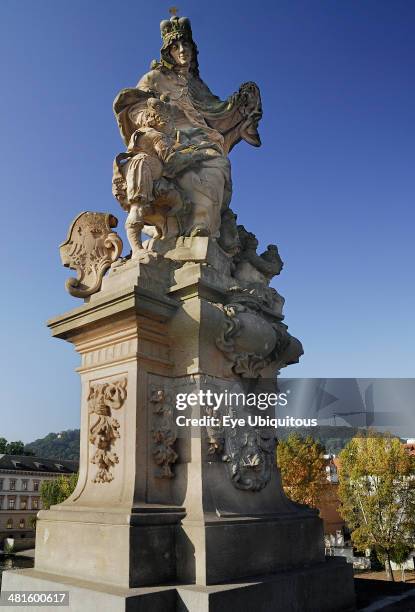
Saint Ludmila of Bohemia (Prague?)Readings at MassLiturgical Colour: Red. Year: A(II). Readings for the feria Readings for the memorial These are the readings for the feria
| First reading |
|---|
| 1 Corinthians 12:31-13:13 |
|---|
The supremacy of charityBe ambitious for the higher gifts. And I am going to show you a way that is better than any of them. If I have all the eloquence of men or of angels, but speak without love, I am simply a gong booming or a cymbal clashing. If I have the gift of prophecy, understanding all the mysteries there are, and knowing everything, and if I have faith in all its fullness, to move mountains, but without love, then I am nothing at all. If I give away all that I possess, piece by piece, and if I even let them take my body to burn it, but am without love, it will do me no good whatever. Love is always patient and kind; it is never jealous; love is never boastful or conceited; it is never rude or selfish; it does not take offence, and is not resentful. Love takes no pleasure in other people’s sins but delights in the truth; it is always ready to excuse, to trust, to hope, and to endure whatever comes. Love does not come to an end. But if there are gifts of prophecy, the time will come when they must fail; or the gift of languages, it will not continue for ever; and knowledge – for this, too, the time will come when it must fail. For our knowledge is imperfect and our prophesying is imperfect; but once perfection comes, all imperfect things will disappear. When I was a child, I used to talk like a child, and think like a child, and argue like a child, but now I am a man, all childish ways are put behind me. Now we are seeing a dim reflection in a mirror; but then we shall be seeing face to face. The knowledge that I have now is imperfect; but then I shall know as fully as I am known. In short, there are three things that last: faith, hope and love; and the greatest of these is love.
| Responsorial Psalm |
|---|
| Psalm 32(33):2-5,12,22 |
|---|
Happy the people the Lord has chosen as his own. Give thanks to the Lord upon the harp, with a ten-stringed lute sing him songs. O sing him a song that is new, play loudly, with all your skill. Happy the people the Lord has chosen as his own. For the word of the Lord is faithful and all his works to be trusted. The Lord loves justice and right and fills the earth with his love. Happy the people the Lord has chosen as his own. They are happy, whose God is the Lord, the people he has chosen as his own. May your love be upon us, O Lord, as we place all our hope in you. Happy the people the Lord has chosen as his own.
| Gospel Acclamation | cf.1Th2:13 |
|---|
Alleluia, alleluia! Accept God’s message for what it really is: God’s message, and not some human thinking. Alleluia! Alleluia, alleluia! Your words are spirit, Lord, and they are life; you have the message of eternal life. Alleluia!
'We played the pipes, and you wouldn't dance'Jesus said to the people: ‘What description can I find for the men of this generation? What are they like? They are like children shouting to one another while they sit in the market-place: ‘“We played the pipes for you, and you wouldn’t dance; we sang dirges, and you wouldn’t cry.” ‘For John the Baptist comes, not eating bread, not drinking wine, and you say, “He is possessed.” The Son of Man comes, eating and drinking, and you say, “Look, a glutton and a drunkard, a friend of tax collectors and sinners.” Yet Wisdom has been proved right by all her children.’ Continue These are the readings for the memorial
| First reading |
|---|
| 2 Corinthians 4:7-15 |
|---|
Such an overwhelming power comes from God and not from usWe are only the earthenware jars that hold this treasure, to make it clear that such an overwhelming power comes from God and not from us. We are in difficulties on all sides, but never cornered; we see no answer to our problems, but never despair; we have been persecuted, but never deserted; knocked down, but never killed; always, wherever we may be, we carry with us in our body the death of Jesus, so that the life of Jesus, too, may always be seen in our body. Indeed, while we are still alive, we are consigned to our death every day, for the sake of Jesus, so that in our mortal flesh the life of Jesus, too, may be openly shown. So death is at work in us, but life in you. But as we have the same spirit of faith that is mentioned in scripture – I believed, and therefore I spoke – we too believe and therefore we too speak, knowing that he who raised the Lord Jesus to life will raise us with Jesus in our turn, and put us by his side and you with us. You see, all this is for your benefit, so that the more grace is multiplied among people, the more thanksgiving there will be, to the glory of God.
| Responsorial Psalm |
|---|
| Psalm 125(126):1-6 |
|---|
Those who are sowing in tears will sing when they reap. When the Lord delivered Zion from bondage, it seemed like a dream. Then was our mouth filled with laughter, on our lips there were songs. Those who are sowing in tears will sing when they reap. The heathens themselves said: ‘What marvels the Lord worked for them!’ What marvels the Lord worked for us! Indeed we were glad. Those who are sowing in tears will sing when they reap. Deliver us, O Lord, from our bondage as streams in dry land. Those who are sowing in tears will sing when they reap. Those who are sowing in tears will sing when they reap. They go out, they go out, full of tears, carrying seed for the sowing: they come back, they come back, full of song, carrying their sheaves. Those who are sowing in tears will sing when they reap.
| Gospel Acclamation | 2Co1:3-4 |
|---|
Alleluia, alleluia! Blessed be God, a gentle Father and the God of all consolation, who comforts us in all our sorrows. Alleluia!
Father, keep those you have given me true to your nameJesus raised his eyes to heaven and said: ‘Holy Father, keep those you have given me true to your name, so that they may be one like us. While I was with them, I kept those you had given me true to your name. I have watched over them and not one is lost except the one who chose to be lost, and this was to fulfil the scriptures. But now I am coming to you and while still in the world I say these things to share my joy with them to the full. I passed your word on to them, and the world hated them, because they belong to the world no more than I belong to the world. I am not asking you to remove them from the world, but to protect them from the evil one. They do not belong to the world any more than I belong to the world. Consecrate them in the truth; your word is truth. As you sent me into the world, I have sent them into the world, and for their sake I consecrate myself so that they too may be consecrated in truth.’ Continue Christian Art Each day, The Christian Art website gives a picture and reflection on the Gospel of the day. The readings on this page are from the Jerusalem Bible, which is used at Mass in most of the English-speaking world. The New American Bible readings, which are used at Mass in the United States, are available in the Universalis apps, programs and downloads.
You can also view this page with the Gospel in Greek and English. |
TOPICS: Catholic; General Discusssion; Prayer; Worship
KEYWORDS: catholic; jn17; lk7; ordinarytime; prayer
For your reading, reflection, faith-sharing, comments, questions, discussion.
1
posted on
09/16/2026 5:47:47 AM PDT
by
annalex
To: nickcarraway; NYer; ELS; Pyro7480; livius; ArrogantBustard; Catholicguy; RobbyS; marshmallow; ...

Alleluia Ping Please FReepmail me to get on/off the Alleluia Ping List.
2
posted on
09/16/2026 5:49:29 AM PDT
by
annalex
(fear them not)
To: annalex
3
posted on
09/16/2026 5:49:56 AM PDT
by
annalex
(fear them not)
To: annalex
| Luke |
| | English: Douay-Rheims | Latin: Vulgata Clementina | Greek NT: Byzantine/Majority Text (2000) |
| | Luke 7
|
| 31. | And the Lord said: Whereunto then shall I liken the men of this generation? and to what are they like? | Ait autem Dominus : Cui ergo similes dicam homines generationis hujus ? et cui similes sunt ? | τινι ουν ομοιωσω τους ανθρωπους της γενεας ταυτης και τινι εισιν ομοιοι |
| 32. | They are like to children sitting in the marketplace, and speaking one to another, and saying: We have piped to you, and you have not danced: we have mourned, and you have not wept. | Similes sunt pueris sedentibus in foro, et loquentibus ad invicem, et dicentibus : Cantavimus vobis tibiis, et non saltastis : lamentavimus, et non plorastis. | ομοιοι εισιν παιδιοις τοις εν αγορα καθημενοις και προσφωνουσιν αλληλοις και λεγουσιν ηυλησαμεν υμιν και ουκ ωρχησασθε εθρηνησαμεν υμιν και ουκ εκλαυσατε |
| 33. | For John the Baptist came neither eating bread nor drinking wine; and you say: He hath a devil. | Venit enim Joannes Baptista, neque manducans panem, neque bibens vinum, et dicitis : Dæmonium habet. | εληλυθεν γαρ ιωαννης ο βαπτιστης μητε αρτον εσθιων μητε οινον πινων και λεγετε δαιμονιον εχει |
| 34. | The Son of man is come eating and drinking: and you say: Behold a man that is a glutton and a drinker of wine, a friend of publicans and sinners. | Venit Filius hominis manducans, et bibens, et dicitis : Ecce homo devorator, et bibens vinum, amicus publicanorum et peccatorum. | εληλυθεν ο υιος του ανθρωπου εσθιων και πινων και λεγετε ιδου ανθρωπος φαγος και οινοποτης φιλος τελωνων και αμαρτωλων |
| 35. | And wisdom is justified by all her children. | Et justificata est sapientia ab omnibus filiis suis. | και εδικαιωθη η σοφια απο των τεκνων αυτης παντων |
4
posted on
09/16/2026 5:52:40 AM PDT
by
annalex
(fear them not)
To: annalex

Catena Aurea by St. Thomas Aguinas
7:29–35
29. And all the people that heard him, and the Publicans, justified God, being baptized with the baptism of John.
30. But the Pharisees and Lawyers rejected the counsel of God against themselves, being not baptized of him.
31. And the Lord said, Whereunto then shall I liken the men of this generation? and to what are they like?
32. They are like unto children sitting in the marketplace, and calling one to another, and saying, We have piped unto you, and ye have not danced; we have mourned to you, and ye have not wept.
33. For John the Baptist came neither eating bread nor drinking wine; and ye say, He hath a devil.
34. The Son of man is come eating and drinking; and ye say, Behold a gluttonous man, and a winebibber, a friend of Publicans and sinners!
35. But wisdom is justified of all her children.
CHRYSOSTOM. (Hom. 37. in Matt.) Having declared the praises of John, he next exposes the great fault of the Pharisees and lawyers, who would not after the publicans receive the baptism of John. Hence it is said, And all the people that heard him, and the Publicans, justified God.
AMBROSE. God is justified by baptism, wherein men justify themselves confessing their sins. For he that sins and confesses his sin unto God, justifies God, submitting himself to Him who overcometh, and hoping for grace from Him; God therefore is justified by baptism, in which there is confession and pardon of sin.
EUSEBIUS. Because also they believed, they justified God, for He appeared just to them in all that He did. But the disobedient conduct of the Pharisees in not receiving John, accorded not with the words of the prophet, That thou mightest be justified when thou speakest. (Ps. 51:4.) Hence it follows, But the Pharisees and lawyers rejected the counsel of God, &c.
BEDE. These words were spoken either in the person of the Evangelist, or, as some think, of the Saviour; but when he says, against themselves, he means that he who rejects the grace of God, does it against himself. Or, they are blamed as foolish and ungrateful for being unwilling to receive the counsel of God, sent to themselves. The counsel then is of God, because He ordained salvation by the passion and death of Christ, which the Pharisees and lawyers despised.
AMBROSE. Let us not then despise (as the Pharisees did) the counsel of God, which is in the baptism of John, that is, the counsel which the Angel of great counsel searches out. (Is. 9:6. LXX.) No one despises the counsel of man. Who then shall reject the counsel of God?
CYRIL OF ALEXANDRIA. There was a certain play among the Jewish children of this kind. A company of boys were collected together, who, mocking the sudden changes in the affairs of this life, some of them sang, some mourned, but the mourners did not rejoice with those that rejoiced, nor did those who rejoiced fall in with those that wept. They then rebuked each other in turn with the charge of want of sympathy. That such were the feelings of the Jewish people and their rulers, Christ implied in the following words, spoken in the person of Christ; Whereunto then shall I liken the men of this generation, and to what are they like? They are like to children sitting in the market-place.
BEDE. The Jewish generation is compared to children, because formerly they had prophets for their teachers, of whom it is said, Out of the mouths of babes and sucklings hast thou perfected praise.
AMBROSE. But the prophets sung, repeating in spiritual strains their oracles of the common salvation; they wept, soothing with mournful dirges the hard hearts of the Jews. The songs were not sung in the market-place, nor in the streets, but in Jerusalem. For that is the Lord’s forum, in which the laws of His heavenly precepts are framed.
GREGORY OF NYSSA. (Hom. 6. in Eccl.) But singing and lamentation are nothing else but the breaking forth, the one indeed of joy, the other of sorrow. Now at the sound of a tune played upon a musical instrument, man by the concordant beating of his feet, and motion of his body, pourtrays his inward feelings. Hence he says, We have sung, and ye have not danced; we have mourned to you, and ye have not wept.
AUGUSTINE. (de Quæst. Ev. l. ii. q. 11.) Now these words have reference to John and Christ. For when he says, We have mourned, and ye have not wept, it is in allusion to John, whose abstinence from meat and drink signified penitential sorrow; and hence he adds in explanation, For John came neither eating bread, nor drinking wine, and ye say he hath a devil.
CYRIL OF ALEXANDRIA. They take upon themselves to slander a man worthy of all admiration. They say that he who mortifies the law of sin which is in his members hath a devil.
AUGUSTINE. (ubi sup.) But his words, We have piped unto you, and ye have not danced, refer to the Lord Himself, who by using meats and drinks as others did, represented the joy of His kingdom. Hence it follows, The Son of man came eating and drinking, &c.
TITUS BOSTRENSIS. For Christ would not abstain from this food, lest He should give a handle to heretics, who say that the creatures of God are bad, and blame flesh and wine.
CYRIL OF ALEXANDRIA. But where could they point out the Lord as gluttonous? For Christ is found every where repressing excess, and leading men to temperance. But He associated with publicans and sinners. Hence they said against Him, He is a friend of Publicans and sinners, though He could in no wise fall into sin, but on the contrary was to them the cause of salvation. For the sun is not polluted though sending its rays over all the earth, and frequently falling upon unclean bodies. Neither will the Sun of righteousness be hurt by associating with the bad. But let no one attempt to place his own condition on a level with Christ’s greatness, but let each considering his own infirmity avoid having dealing with such men, for “evil communications corrupt good manners.” It follows, And wisdom is justified of all her children.
AMBROSE. The Son of God is wisdom, by nature, not by growth, which is justified by baptism, when it is not rejected through obstinacy, but through righteousness is acknowledged the gift of God. Herein then is the justification of God, if he seems to transfer His gifts not to the unworthy and guilty, but to those who are through baptism holy and just.
CHRYSOSTOM. (Hom. in Ps. 108.) But by the children of wisdom, He means the wise. For Scripture is accustomed to indicate the bad rather by their sin than their name, but to call the good the children of the virtue which characterizes them.
AMBROSE. He well says, of all, for justice is reserved for all, that the faithful may be taken up, the unbelievers cast out.
AUGUSTINE. (ubi sup.) Or, when he says, wisdom is justified of all her children, he shews that the children of wisdom understand that righteousness consists neither in abstaining from nor eating food, but in patiently enduring want. For not the use of such things, but the coveting after them, must be blamed; only let a man adapt himself to the kind of food of those with whom he lives.
Catena Aurea Luke 7
5
posted on
09/16/2026 5:53:25 AM PDT
by
annalex
(fear them not)
To: annalex

The sermon of Saint John the Baptist
Pieter Bruegel the Elder.
1566
6
posted on
09/16/2026 5:54:52 AM PDT
by
annalex
(fear them not)
To: annalex
| John |
| | English: Douay-Rheims | Latin: Vulgata Clementina | Greek NT: Byzantine/Majority Text (2000) |
| | John 17
|
| 11. | And now I am not in the world, and these are in the world, and I come to thee. Holy Father, keep them in thy name whom thou has given me; that they may be one, as we also are. | Et jam non sum in mundo, et hi in mundo sunt, et ego ad te venio. Pater sancte, serva eos in nomine tuo, quos dedisti mihi : ut sint unum, sicut et nos. | και ουκετι ειμι εν τω κοσμω και ουτοι εν τω κοσμω εισιν και εγω προς σε ερχομαι πατερ αγιε τηρησον αυτους εν τω ονοματι σου ω δεδωκας μοι ινα ωσιν εν καθως ημεις |
| 12. | While I was with them, I kept them in thy name. Those whom thou gavest me have I kept; and none of them is lost, but the son of perdition, that the scripture may be fulfilled. | Cum essem cum eis, ego servabam eos in nomine tuo. Quos dedisti mihi, custodivi : et nemo ex eis periit, nisi filius perditionis, ut Scriptura impleatur. | οτε ημην μετ αυτων εν τω κοσμω εγω ετηρουν αυτους εν τω ονοματι σου ους δεδωκας μοι εφυλαξα και ουδεις εξ αυτων απωλετο ει μη ο υιος της απωλειας ινα η γραφη πληρωθη |
| 13. | And now I come to thee; and these things I speak in the world, that they may have my joy filled in themselves. | Nunc autem ad te venio : et hæc loquor in mundo, ut habeant gaudium meum impletum in semetipsis. | νυν δε προς σε ερχομαι και ταυτα λαλω εν τω κοσμω ινα εχωσιν την χαραν την εμην πεπληρωμενην εν αυτοις |
| 14. | I have given them thy word, and the world hath hated them, because they are not of the world; as I also am not of the world. | Ego dedi eis sermonem tuum, et mundus eos odio habuit, quia non sunt de mundo, sicut et ego non sum de mundo. | εγω δεδωκα αυτοις τον λογον σου και ο κοσμος εμισησεν αυτους οτι ουκ εισιν εκ του κοσμου καθως εγω ουκ ειμι εκ του κοσμου |
| 15. | I pray not that thou shouldst take them out of the world, but that thou shouldst keep them from evil. | Non rogo ut tollas eos de mundo, sed ut serves eos a malo. | ουκ ερωτω ινα αρης αυτους εκ του κοσμου αλλ ινα τηρησης αυτους εκ του πονηρου |
| 16. | They are not of the world, as I also am not of the world. | De mundo non sunt, sicut et ego non sum de mundo. | εκ του κοσμου ουκ εισιν καθως εγω εκ του κοσμου ουκ ειμι |
| 17. | Sanctify them in truth. Thy word is truth. | Sanctifica eos in veritate. Sermo tuus veritas est. | αγιασον αυτους εν τη αληθεια σου ο λογος ο σος αληθεια εστιν |
| 18. | As thou hast sent me into the world, I also have sent them into the world. | Sicut tu me misisti in mundum, et ego misi eos in mundum : | καθως εμε απεστειλας εις τον κοσμον καγω απεστειλα αυτους εις τον κοσμον |
| 19. | And for them do I sanctify myself, that they also may be sanctified in truth. | et pro eis ego sanctificabo meipsum : ut sint et ipsi sanctificati in veritate. | και υπερ αυτων εγω αγιαζω εμαυτον ινα και αυτοι ωσιν ηγιασμενοι εν αληθεια |
7
posted on
09/16/2026 5:57:45 AM PDT
by
annalex
(fear them not)
To: annalex
Catena Aurea by St. Thomas Aguinas
11. And now I am no more in the world, but these are in the world, and I come to thee. Holy Father, keep through thine own name those whom thou hast given me, that they may be one, as we are.
12. While I was with them in the world, I kept them in thy name: those that thou gavest me I have kept, and none of them is lost, but the son of perdition; that the scripture might be fulfilled.
13. And now come I to thee; and these things I speak in the world, that they might have my joy fulfilled in themselves.
CHRYSOSTOM. (Hom. lxxxi) As the disciples were still sad in spite of all our Lord’s consolations, henceforth He addresses Himself to the Father to shew the love which He had for them; I pray for them; He not only gives them what He has of His own, but entreats another for them, as a still further proof of His love.
AUGUSTINE. (Tr. cvi) When He adds, I pray not for the world, by the world He means those who live according to the lust of the world, and have not the lot to be chosen by grace out of the world, as those had for whom He prayed: But for them which Thou hast given Me. It was because the Father had given Him them, that they did not belong to the world. Nor yet had the Father, in giving them to the Son, lost what He had given: For they are Thine.
CHRYSOSTOM. (Hom. lxxxi. 1) He often repeats, Thou hast given Me, to impress on them that it was all according to the Father’s will, and that He did not come to rob another, but to take unto Him His own. Then to shew them that this power1 had not been lately received from the Father, He adds, And all Mine are Thine, and Thine are Mine: as if to say, Let no one, hearing Me say, Them which Thou hast given Me, suppose that they are separated from the Father; for Mine are His: nor because I said, They are Thine, suppose that they are separate from Me: for whatever is His is Mine.
AUGUSTINE. (Tr. cvi. 6) It is sufficiently apparent from hence, that all things which the Father hath, the Only-Begotten Son hath; hath in that He is God, born from the Father, and equal with the Father; not in the sense in which the elder son is told, All that I have is thine. (Luke 15:31) For all there means all creatures below the holy rational creature, but here it means the very rational creature itself, which is only subjected to God. Since this is God the Father’s, it could not at the same time be God the Son’s, unless the Son were equal to the Father. For it is impossible that saints, of whom this is said, should be the property of any one, except Him who created and sanctified them. When He says above in speaking of the Holy Spirit, All things that the Father hath are Mine, (c. 16:15) He means all things which pertain to the divinity of the Father; for He adds, He (the Holy Ghost) shall receive of Mine; and the Holy Ghost would not receive from a creature which was subject to the Father and the Son.
CHRYSOSTOM. (Hom. lxxxi) Then He gives proof of this, I am glorified in them. If they glorify Me, believing in Me and Thee, it is certain that I have power over them: for no one is glorified by those amongst whom he has no power.
AUGUSTINE. (Tr. cvii. 3) He speaks of this as already done, meaning that it was predestined, and sure to be. But is this the glorifying of which He speaks above, And now, O Father, glorify Thou Me with Thine own Self? If then with Thyself, what meaneth here, In them? Perhaps that this very thing, i. e. His glory with the Father, was made known to them, and through them to all that believe.
CHRYSOSTOM. (Hom. lxxxi) And now I am no more in the world: i. e. though I no longer appear in the flesh, I am glorified by those who die for Me, as for the Father, and preach Me as the Father.
AUGUSTINE. (Tr. cvii. 4) At the time at which He was speaking, both were still in the world. Yet we must not understand, I am no more in the world, metaphorically of the heart and life; for could there ever have been a time when He loved the things of the world? It remains then that He means that He was not in the world, as He had been before; i. e. that He was soon going away. Do we not say every day, when any one is going to leave us, or going to die, such an one is gone? This is shewn to be the sense by what follows; for He adds, And now I come to Thee. And then He commends to His Father those whom He was about to leave: Holy Father, keep through Thine own name those whom Thou hast given Me. As man He prays God for His disciples, whom He received from God. But mark what follows: That they may be one, as We are: He does not say, That they may be one with Us, as We are one; but, that they may be one: that they may be one in their nature, as We are one in Ours. For, in that He was God and man in one person, as man He prayed, as God He was one with Him to Whom He prayed.
AUGUSTINE. (iv. de Trin. c. ix) He does not say, That I and they maybe one, though He might have said so in the sense, that He was the head of the Church, and the Church His body; not one thing, but one person: the head and the body being one Christ. But shewing something else, viz. that His divinity is consubstantial with the Father, He prays that His people may in like manner be one; but one in Christ, not only by the same nature, in which mortal man is made equal to the Angels, but also by the same will, agreeing most entirely in the same mind, and melted into one Spirit by the fire of love. This is the meaning of, That they may be one as We are: viz. that as the Father and the Son are one not only by equality of substance, but also in will, so they, between whom and God the Son is Mediator, may be one not only by the union of nature, but by the union of love.
CHRYSOSTOM. (Hom. lxxxi) Again He speaks as man: While I was with them in the world, I kept them in Thy name; i. e. by Thy help. He speaks in condescension to the minds of His disciples, who thought they were more safe in His presence.
AUGUSTINE. (Tr. cvii. 6) The Son as man kept His disciples in the Father’s name, being placed among them in human form: the Father again kept them in the Son’s name, in that He heard those who asked in the Son’s name. But we must not take this carnally, as if the Father and Son kept us in turns, for the Father, Son, and Holy Ghost guard us at the same time: but Scripture does not raise us, except it stoop to us. Let us understand then that when our Lord says this, He is distinguishing the persons, not dividing the nature, so that when the Son was keeping His disciples by His bodily presence, the Father was waiting to succeed Him on His departure; but both kept them by spiritual power, and when the Son withdrew His bodily presence, He still held with the Father the spiritual keeping. For when the Son as man received them into His keeping, He did not take them from the Father’s keeping, and when the Father gave them into the Son’s keeping, it was to the Son as man, who at the same time was God. Those that Thou gavest Me I have kept, and none of them is lost but the son of perdition; i. e. the betrayer of Christ, predestined to perdition; that the Scripture might be fulfilled, especially the prophecy in Psalm 108.
CHRYSOSTOM. (Hom. lxxxi) He was the only one indeed who perished then, but there were many after. None of them is lost, i. e. as far as I am concerned; as He says above more clearly; I will in no wise cast out. But when they cast themselves out, I will not draw them to Myself by dint of compulsion. It follows: And now I come to Thee. But some one might ask, Canst Thou not keep them? I can. Then why sayest Thou this? That they may have My joy fulfilled in them, i. e. that they may not be alarmed in their as yet imperfect state.
AUGUSTINE. (Tr. cvii) Or thus: That they might have the joy spoken of above: That they may be one, as We are one. This His joy, i. e. bestowed by Him, He says, is to be fulfilled in them: on which account He spoke thus in the world. This joy is the peace and happiness of the life to come. He says He spoke in the world, though He had just now said, I am no more in the world. For, inasmuch as He had not yet departed, He was still here; and inasmuch as He was going to depart, He was in a certain sense not here.
17:14–19
14. I have given them thy word; and the world hath hated them, because they are not of the world, even as I am not of the world.
15. I pray not that thou shouldest take them out of the world, but that thou shouldest keep them from the evil.
16. They are not of the world, even as I am not of the world.
17. Sanctify them through thy truth; thy word is truth.
18. As thou hast sent me into the world, even so have I also sent them into the world.
19. And for their sakes I sanctify myself, that they also might be sanctified through the truth.
CHRYSOSTOM. (Hom. lxxxii) Again, our Lord gives a reason why the disciples are worthy of obtaining such favour from the Father: I have given them Thy word; and the world hath hated them; i. e. They are had in hatred for Thy sake, and on account of Thy word.
AUGUSTINE. (Tr. cviii) They had not yet experienced these sufferings which they afterwards met with; but, after His custom, He puts the future into the past tense. Then He gives the reason why the world haled them; viz. Because they are not of the world. This was conferred upon them by regeneration; for by nature they were of the world. It was given to them that they should not be of the world, even as He was not of the world; as it follows; Even as I am not of the world. He never was of the world; for even His birth of the form of a servant He received from the Holy Ghost, from Whom they were born again. But though they were no longer of the world, it was still necessary that they should be in the world: I pray not that Thou shouldest take them out of the world.
BEDE. As if to say, The time is now at hand, when I shall be taken out of the world; and therefore it is necessary that they should be still left in the world, in order to preach Me and Thee to the world. But that Thou shouldest keep them from the evil; every evil, but especially the evil of schism.
AUGUSTINE. (Tr. cviii) He repeats the same thing again; They are not of the world, even as I am not of the world.
CHRYSOSTOM. (Hom. lxxxii. 1) Above, when He said, Them whom Thou gavest Me out of the world, He meant their nature; here He means their actions. They are not of the world; because they have nothing in common with earth, they are made citizens of heaven. Wherein He shews His love for them, thus praising them to the Father. The word as when used with respect to Him and the Father expresses likeness of nature; but between us and Christ there is immense distance. Keep them from the evil, i. e. not from dangers only, but from falling away from the faith.
AUGUSTINE. (Tr. cviii) Sanctify them through Thy truth: for thus were they to be kept from the evil. But it may be asked, how it was that they were not of the world, when they were not yet sanctified in the truth? Because the sanctified have still to grow in sanctity, and this by the help of God’s grace. The heirs of the New Testament are sanctified in that truth, the shadows of which were the sanctification of the Old Testament; they are sanctified in Christ, Who said above, I am the way, the truth, and the life. (c. 14:6) It follows, Thy discourse is truth. The Greek is λόγος, i. e. word. The Father then sanctified them in the truth, i. e. in His Word the Only-Begotten, them, i. e. the heirs of God, and joint-heirs with Christ.
CHRYSOSTOM. (Hom. lxxxii) Or thus: Sanctify them in Thy truth; i. e. Make them holy, by the gift of the Holy Spirit, and sound doctrines: for sound doctrines give knowledge of God, and sanctify the soul. And as He is speaking of doctrines, He adds, Thy word is truth, i. e. there is in it no lie, nor any thing typical, or bodily. Again, Sanctify them in Thy truth, may mean, Separate them for the ministry of the word, and preaching.
GLOSS. As Thou hast sent Me into the world, even so have I also sent them into the world. For what Christ was sent into the world, for the same end were they; as saith Paul, God was in Christ reconciling the world unto Himself; and hath given to us the word of reconciliation. (2 cor. 5:19) As does not express perfect likeness between our Lord and His Apostles, but only as much as was possible in men. Have sent them, He says, according to His custom of putting the past for the future.
AUGUSTINE. (Tr. cviii) It is manifest by this, that He is still speaking of the Apostles; for the very word Apostle means in the Greek, sent. But since they are His members, in that He is the Head of the Church, He says, And for their sakes I sanctify Myself; i. e. I in Myself sanctify them, since they are Myself. And to make it more clear that this was His meaning, He adds, That they also might be sanctified through the truth, i. e. in Me; inasmuch as the Word is truth, in which the Son of man was sanctified from the time that the Word was made flesh. For then He sanctified Himself in Himself, i. e. Himself as man, in Himself as the Word: the Word and man being one Christ. But of His members it is that He saith, And for their sakes I sanctify Myself, i. e. them in Me, since in Me both they and I are. That they also might be sanctified in truth: they also, i. e. even as Myself; and in the truth, i. e. Myself.
CHRYSOSTOM. (Hom. lxxxii) Or thus: For their sakes I sanctify Myself, i. e. I offer Myself as a sacrifice to Thee; for all sacrifices, and things that are offered to God, are called holy. And whereas this sanctification was of old in figure, (a sheep being the sacrifice,) but now in truth, He adds, That they also might be sanctified through the truth; i. e. For I make them too an oblation to Thee; either meaning that He who was offered up was their head, or that they would be offered up too: as the Apostle saith, Present your bodies a living sacrifice, holy. (Rom. 12:1)
Catena Aurea John 17
8
posted on
09/16/2026 5:59:12 AM PDT
by
annalex
(fear them not)
To: annalex

Ascension of Christ
Gregorio de Ferrari
c. 1690
Oil on canvas
Musées Royaux des Beaux-Arts, Brussels
9
posted on
09/16/2026 6:03:43 AM PDT
by
annalex
(fear them not)
To: annalex
St. Ludmilla
Wife of Boriwoi, the first Christian Duke of Bohemia, b. at Mielnik, c. 860; d. at Tetin, near Beraun, 15 September, 921. She and her husband were baptized, probably by St. Methodius, in 871. Pagan fanatics drove them from their country, but they were soon recalled, and after reigning seven more years they resigned the throne in favour of their son Spitignev and retired to Tetin. Spitignev died two years later and was succeeded by Wratislaw, another son of Boriwoi and Ludmilla. Wratislaw was married to Drahomira, a pretended Christian, but a secret favourer of paganism. They had twin sons, St. Wenceslaus and Boleslaus the Cruel, the former of whom lived with Ludmilla at Tetin. Wratislaw died in 916, leaving the eight-year-old Wenceslaus as his successor. Jealous of the great influence which Ludmilla wielded over Wenceslaus, Drahomira instigated two noblemen to murder her. She is said to have been strangled by them with her veil. She was at first buried in the church of St. Michael at Tetin, but her remains were removed to the church of St. George at Prague before the year 1100, probably by St. Wenceslaus, her grandson. She is venerated as one of the patrons of Bohemia, and her feast is celebrated on 16 September.
Sources
The chief source is Vita et passio s. Wenceslai et s. Ludmillæ aviæ ejus, written probably towards the end of the tenth century by the Benedictine Monk Christian, a son of Boleslaw I. Until recently this work was considered a forgery of the 12-14 century. But PEKAR, Die Wenzels- und LudmillaLegenden und die Echtheit Christians (Prague, 1905), and VOIGT, Die von dem Premysliden Christian verfasste und Adelbert von Prag gewidmete Biographie des heil. Wenzel und ihre Geschichtsdarstellungen (Prague, 1907), have adduced grave reasons for its genuineness, Acta SS., IV, 16 Sept.; DUNBAR, Dictionary of Saintly Women, I (London, 1904), 475-7.
About this page
APA citation. Ott, M. (1910). St. Ludmilla. In The Catholic Encyclopedia. New York: Robert Appleton Company. https://www.newadvent.org/cathen/09416a.htm
MLA citation. Ott, Michael. "St. Ludmilla." The Catholic Encyclopedia. Vol. 9. New York: Robert Appleton Company, 1910. .
Transcription. This article was transcribed for New Advent by WGKofron. With thanks to St. Mary's Church, Akron, Ohio.
Ecclesiastical approbation. Nihil Obstat. October 1, 1910. Remy Lafort, Censor. Imprimatur. +John M. Farley, Archbishop of New York.
Contact information. The editor of New Advent is Kevin Knight. My email address is webmaster at newadvent.org. Regrettably, I can't reply to every letter, but I greatly appreciate your feedback — especially notifications about typographical errors and inappropriate ads.
newadvent.org
10
posted on
09/16/2026 6:09:34 AM PDT
by
annalex
(fear them not)
To: annalex
11
posted on
09/16/2026 6:11:02 AM PDT
by
annalex
(fear them not)
To: All
NAVARRE BIBLE COMMENTARY(RSV)
Ad Majorem Dei Gloriam (To the Greater Glory of God)
Today’s First Reading
From: 1 Corinthians 12:31-13:13
----------------------------------------------------
[31] But earnestly desire the higher gifts. And I will show you still a more excellent way.
Hymn to Charity
-----------------------
[1] If I speak in the tongues of men and of angels, but have not love, I am a noisy gong or a clanging cymbal. [2] And if I have prophetic powers, and understand all mysteries and all knowledge, and if I have all faith, so as to remove mountains, but have not love, I am nothing. [3] If I give away all I have, and if I deliver my body to be burned, but have not love, I gain nothing. [4] Love is patient and kind; love is not jealous or boastful; [5] it is not arrogant or rude. Love does not insist on its own way; it is not irritable or resentful; [6] it does not rejoice at wrong, but rejoices in the right. [7] Love bears all things, believes all things, hopes all things, endures all things.
[8] Love never ends; as for prophecies, they will pass away; as for tongues, they will cease; as for knowledge, it will pass away. [9] For our knowledge is imperfect and our prophecy is imperfect; but when the perfect comes, the imperfect will pass away. [11] When I was a child, I spoke like a child, I thought like a child, I reasoned like a child; when I became a man, I gave up childish ways. [12] For now we see in a mirror dimly, but then face to face. Now I know in part; then I shall understand fully, even as I have been fully understood. [13] So faith, hope, love abide, these three; but the greatest of these is love.
***********************************************************************
Commentary:
31. "Earnestly desire the higher gifts": according to some Greek manuscripts this can be translated "earnestly seek the greater gifts." St Paul is encouraging his Christians to put greater value on those gifts of the Holy Spirit which contribute most to the goal of the Church than on those which are spectacular. He probably has in mind the teaching he will develop (chap. 14) about the superiority of graces and charisms to do with teaching and catechesis.
"A still more excellent way": this undoubtedly refers to charity, which he goes on to describe and praise (chap. 13). Therefore, what is called his "hymn to charity" is not a digression, much less a later addition, but an outpouring of the Apostle's soul, which perfectly explains why charity is the greatest of all gifts, a sure route to holiness and salvation, and the identifying mark of the Christian: "the first and most necessary gift is charity, by which we love God above all things and our neighbor because of him. [...] This is because love, as the bond of perfection and fullness of the law (cf. Col 3:14, Rom. 13:10), governs, gives meaning to, and perfects all the means of sanctification. Hence the true disciple of Christ is marked by love both of God and of his neighbor" (Vatican II, "Lumen Gentium", 42).
1-13. This wonderful hymn to charity is one of the most beautiful pages in Pauline writing. The literary style of the chapter is designed to present charity in all its splendor. St Paul sings the praises of love as seen from three points of view--the superiority and absolute need of this gift (vv. 1-3); its features and practical expression (vv. 4-7); and the fact it endures for ever (vv. 8-13).
Love, the charity of which St Paul is speaking, has nothing to do with selfish desire for physical passionate possession; nor is it restricted to mere philanthropy, whose motivation is purely humanitarian: charity is a love which is to be found in the new order of things established by Christ; its origin, context and purpose are radically new; it is born of the love of God for men, a love so intense that he sacrificed his only-begotten Son (In 3:16). The Christian is enabled to respond to this love of God by this gift of the Holy Spirit, charity (cf. Gal 5:22; Rom 15:30), and by virtue of this divine love he discovers God in his neighbor: he recognizes that all are children of the one Father and brothers and sisters of Jesus Christ: "Our love is not to be confused with sentimentality or mere good fellowship, nor with that somewhat questionable zeal to help others in order to convince ourselves of our superiority. Rather, it means living in peace with our neighbor, venerating the image of God that is found in each and every person and doing all we can to get them in their turn to contemplate that image and learn to turn to Christ" (St. J. Escriva, "Friends of God", 230).
To make this clear St Paul mentions those gifts which appear to be most exceptional--the gift of tongues; knowledge; and heroic actions.
Firstly, the gift of tongues. St Thomas Aquinas comments that the Apostle "rightly compares words lacking in charity to the sound of lifeless instruments, to the sound of a bell or cymbals, whose sound though clear is a dead sound. The same occurs in the speech of someone who has no charity; no matter how brilliant it be, it comes across as something dead, because it is of no help as far as meriting eternal life is concerned" ("Commentary on 1 Cor, ad loc."). By way of emphasis St Paul speaks of the tongues of angels as the highest degree of the gift of tongues.
"I am nothing": this conclusion could not be more emphatic. A little further on (1 Cor 15:10), St Paul will himself say that "by the grace of God I am what I am", to make us see that from God's love for man (grace) derives man's love for God and for his neighbor for God's sake (charity).
Knowledge and faith, which need not ever be separated, also acquire their full meaning in the Christian who lives by love: "Each one according to his own gifts and duties must steadfastly advance along the way of a living faith, which arouses hope and works through love" (Vatican II, "Lumen Gentium", 41).
Strictly speaking, martyrdom is the supreme act of love. St Paul is referring here as in the previous points to hypothetical cases or merely external gestures, which seem to be token detachment and generosity, but are in fact mere appearances: "If someone does not have charity", St Augustine says, "even though he may have these gifts at the moment, they will be taken away from him. What he has will be taken away because he is missing the main thing, that whereby he will have everything and which will keep him safe [...]. He has the power to possess, but he has no charity in what he does; and because he lacks charity, what he has in his possession will be taken from him" ("Enarrationes in Psalmos", 146, 10).
4-7. In his listing of the qualities of charity, St Paul, under the inspiration of the Holy Spirit, begins with two general features—patience and kindness--which the Bible attributes to God. Both of these lead on to thirteen particular ways in which love expresses itself.
Patience is a quality often praised in the Bible: in the Psalms God is said to be slow to anger (Ps 145:8); patience means great serenity in the face of injury; kindness has to do with being inclined to do good to others. St Thomas Aquinas explains this by starting with the etymology of the word: "Kindness ["benignitas", benignity] is like good fuel ["bona igneitas"]: just as fire causes solid substances to become liquid and start to melt, charity sees to it that a person does not keep his things for himself but distributes them to others" ("Commentary on 1 Cor, ad loc."). Since to charity are attributed qualities which in the first instance apply to God, we can see the excellence of this virtue: "Charity towards our neighbor is an expression of our love of God. Accordingly, when we strive to grow in this virtue, we cannot fix any limits to our growth. The only possible measure for the love of God is to love without measure: on the one hand, because we will never be able to thank him enough for what he has done for us; and on the other, because this is exactly what God's own love for us, his creatures, is like: it overflows without calculation or limit" (St. J. Escriva, "Friends of God", 232).
"Love is patient", St Gregory the Great comments, "because it bears serenely the injury it suffers. It is kind, because it repays evil with good. It is not jealous, because it covets nothing in this world: it does not know what it is to envy worldly prosperity. It is not boastful, because it yearns only for spiritual reward and it is not carried away by external things. It is not arrogant, because it thrives only on the love of God and neighbor and avoids whatever would take it from the path of righteousness. It is not covetous, because although it ardently pursues its own spiritual goals, it does not desire the goods of others. It does not insist on its own way, because it scorns as alien those things it temporarily possesses here below: it seeks to hold on only to what is enduring. It is not irritable, and even though injuries seek to provoke it, it does not let itself have any desire for vengeance, for no matter how difficult a time it may have in this life, it hopes for greater rewards in the next. It is not resentful, because it has invested its thought in the love of purity, and having rooted out all hatred it is incapable of harboring in its heart any type of aversion. It does not rejoice at wrong, because it feels affection for others and does not rejoice at seeing the ruin of its enemies. It rejoices in the right, because by loving others as it loves itself, it is as pleased to see goodness in them as if it were indeed something to its own personal advantage" ("Moralia", X, 7-8, 10).
7. The repetition of the word "all" reinforces the absolute, essential, value of charity. This is not hyperbole, much less a depiction of utopia: it is recognition of the fact, as the Word of God confirms, that love lies at the very source of all Christian virtue. "Since we are all children of God," the founder of Opus Dei reminds us, "our fraternity is not a cliché or an empty dream; it beckons as a goal which, though difficult, is really ours to achieve.
"As Christians we must show that affection of this kind is in fact possible, whatever cynics, skeptics, those disappointed in love or those with a cowardly outlook on life might say. It may be quite difficult to be truly affectionate, for man was created free and he can rebel against God in a useless and bitter way. But it is possible and people can attain it, because it flows as a necessary consequence of God's love for us and our love for God. If you and I want it, Jesus also wants it. Then we will obtain a full and fruitful understanding of the meaning of suffering, sacrifice and unselfish dedication in ordinary life" ("Friends of God", 233).
8-13. Love is enduring; it will never disappear. In this sense it is greater than all God's other gifts to man; each of those gifts is designed to help man reach perfection and eternal beatitude; charity, on the other hand, is beatitude, blessedness, itself. A thing is imperfect, St Thomas comments, for one of two reasons either because it contains certain defects, or because it will later be superseded. In this second sense knowledge of God and prophecy are overtaken by seeing God face to face. "Charity, on the other hand, which is love of God, does not disappear but, rather, increases; the more perfect one's knowledge of God, the more perfectly does one love him" (St Thomas Aquinas, "Commentary on 1 Cor, ad loc.").
St Paul is constantly reminding us to pursue the goal of charity, the bond of perfection (cf. Col. 3:14). Following his example the saints teach the same message; St Teresa of Avila puts it in this way: "I only want you to be warned that, if you would progress a long way on this road and ascend to the mansions that we desire, it is not a matter of thinking much, but of loving much; do, then, whatever most arouses you to love. Perhaps we do not know what it is to love; that would not greatly surprise me; for love consists, not in what most pleases us, but in the strength of our determination to desire to please God in everything and to endeavor to do everything we can not to offend him, and to pray him ever to advance the honor and glory of his Son and the growth of the catholic Church" ("Interior Castle", IV, 1, 7).
11-12. "Then I shall understand fully, even as I have been fully understood": the Old Testament usually avoids mentioning God by name; these words in effect mean "Then I will know God as he knows me." The knowledge which God has of men is not merely speculative: it involves an intimate, personal union which embraces a person's mind and will and all his or her noble aspirations. Thus in Sacred Scripture God is said to know someone when he shows a preferential love for him (1 Cor 8:3), particularly when he chooses him out to be a Christian (Gal 4:8).
Happiness in heaven consists in this direct knowledge of God. To explain this better St Paul uses the simile of the mirror: in those times mirrors were made of metal and produced a reflection which was blurred and dark; but it is still easy for us to understand what St Paul means; as St Thomas explains, in heaven "we shall see God face to face, because we shall see him directly, just as we see a man face to face. And by seeing in this way we become very like God, becoming sharers in his beatitude: for God has knowledge of his own substance in its very essence and therein his happiness lies. Therefore does St John (1 Jn 3:2) write: 'When he appears we shall be like him, for we shall see him as he is"' ("Summa Contra Gentiles", III, 51).
In this connection the Church's Magisterium teaches that "in the usual providence of God, the souls of all the saints who departed this world [...] see the divine essence with an intuitive and even face-to-face vision, without the interposition of any creature in the function of object seen; rather, the divine essence immediately manifests itself to them plainly, clearly, openly [...]. We also define that those who see the divine essence in this way take great joy from it, and that because of this vision and enjoyment the souls of those who have already died are truly blessed and possess life and eternal rest" (Benedict XII, "Benedictus Deas, Dz-Sch", I000f).
13. Faith, hope and charity are the most important virtues in the Christian life. They are called "theological" virtues, "because they have God as their direct and principal object" ("St Pius X Catechism", 85 9), and it is he himself who infuses them into the soul together with sanctifying grace (cf. ibid., 861).
When discussing the superiority of charity over faith and hope, St Thomas Aquinas says that the greatest of these virtues is that which most directly unites one to good: "Faith and hope attain God in so far as we derive from him the knowledge of truth or the acquisition of good; whereas charity attains God himself that it may rest in him not that something else should come to us from him" ("Summa Theologiae", II-II, q. 23, a.6).
12
posted on
09/16/2026 8:39:33 AM PDT
by
fidelis
(Ecce Crucem Domini! Fugite partes adversae! Vicit Leo de tribu Juda, Radix David! Alleluia!)
Today’s Gospel Reading From: Luke 7:31-35
Jesus Reproaches His Contemporaries
----------------------------------------------
[31] (Jesus spoke to the crowds), “Then to what shall I compare the people of this generation? What are they like? [32] They are like children who sit in the marketplace and call to one another,
‘We played the flute for you, but you did not dance.
We sang a dirge, but you did not weep.’
[33] For John the Baptist has come eating no bread and drinking no wine; and you say, `He has a demon.' [34] The Son of Man has come eating and drinking; and you say, Behold, a glutton and a drunkard, a friend of tax collectors and sinners!' [35] Yet wisdom is justified by all her children."
***********************************************************************
Commentary:
31-34. See the note on Matthew 11:16-19.
[The note on Matthew 11:16-19 states: 16-19. Making reference to a popular song or a child's game of His time, Jesus reproaches those who offer groundless excuses for not recognizing Him. From the beginning of human history the Lord has striven to attract all men to Himself: "What more was there to do for My vineyard, that I have not done in it?" (Isaiah 5:4), and often He has been rejected: "When I looked for it to yield grapes, why did it yield wild grapes?" (Isaiah 5:4).
Our Lord also condemns calumny: some people do try to justify their own behavior by seeing sin where there is only virtue. "When they find something which is quite obviously good," St. Gregory the Great says, "they pry into it to see if there is not also some badness hidden in it" ("Moralia", 6, 22). The Baptist's fasting they interpret as the work of the devil; whereas they accuse Jesus of being a glutton. The evangelist has to report these calumnies and accusations spoken against our Lord; otherwise, we would have no notion of the extent of the malice of those who show such furious opposition to Him who went about doing good (Acts 10:38). On other occasions Jesus warned His disciples that they would be treated the same as He was (cf. John 15:20).
The works of Jesus and John the Baptist, each in their own way, lead to the accomplishment of God's plan for man's salvation: the fact that some people do not recognize Him does not prevent God's plan being carried into effect.]
35. The wisdom referred to here is divine Wisdom, especially Christ Himself (cf. Wisdom 7:26; Proverbs 8:22). "Children of Wisdom" is a Hebrew way of saying "wise men"; he is truly wise who comes to know God and love Him and be saved by Him—in other words, a saint.
Divine wisdom is revealed in the creation and government of the universe, and, particularly, in the salvation of mankind. Wise men "justifying" wisdom seems to mean the wise, the saints, bear witness to Christ by living holy lives: "Let your light so shine before men, that they may see your good works and give glory to your Father who is in Heaven" (Matthew 5:16).
13
posted on
09/16/2026 8:39:52 AM PDT
by
fidelis
(Ecce Crucem Domini! Fugite partes adversae! Vicit Leo de tribu Juda, Radix David! Alleluia!)
14
posted on
09/16/2026 8:40:56 AM PDT
by
fidelis
(Ecce Crucem Domini! Fugite partes adversae! Vicit Leo de tribu Juda, Radix David! Alleluia!)
Disclaimer:
Opinions posted on Free Republic are those of the individual
posters and do not necessarily represent the opinion of Free Republic or its
management. All materials posted herein are protected by copyright law and the
exemption for fair use of copyrighted works.
FreeRepublic.com is powered by software copyright 2000-2008 John Robinson