
Posted on 08/25/2026 10:16:02 PM PDT by fidelis
Jesus said, “Woe to you, scribes and Pharisees, you hypocrites. You are like whitewashed tombs, which appear beautiful on the outside, but inside are full of dead men’s bones and every kind of filth. Even so, on the outside you appear righteous, but inside you are filled with hypocrisy and evildoing.” Matthew 23:27–28
For the third day in a row, we read from Jesus’ fierce denunciation of the scribes and Pharisees. His words are exactly what these religious leaders needed to hear—strong medicine meant to awaken them from their self-righteousness, so that they might repent and receive the superabundant grace that would soon pour forth from His Cross. Though His rebukes may sound shocking—especially to those who heard them for the first time—we must receive them not with shock, but with humility and openness, applying them to our own spiritual journey.
Immediately after this lengthy denunciation, Jesus turns inward and offers a heart-wrenching lament over Jerusalem, especially over the hardened hearts of the very leaders He had just addressed. Though not included in today’s Gospel, the very next verse reveals His sorrow: “Jerusalem, Jerusalem, you who kill the prophets and stone those sent to you, how many times I yearned to gather your children together, as a hen gathers her young under her wings, but you were unwilling!” (Matthew 23:37). This tender image opens a window into Jesus’ Sacred Heart—the same heart that had just delivered such relentless rebukes.
Consider that image: a hen gathering her young under her wings. By natural instinct, a mother hen shields her chicks, even risking her life to protect them. In placing that instinct within creation, God reveals something of His own divine love. He, too, longs to gather, shield, and save us from eternal harm. Nothing—not even the hardness of our hearts—can stop Him from extending His merciful embrace. Yet just as a chick that strays from its mother forfeits her protection, so do we when we resist Christ’s call. His lament is not rooted in anger, but in grief over those who are unwilling to be gathered and saved. Even His fiercest rebukes flow from a heart burning with love.
Though these words were originally addressed to the scribes and Pharisees, they apply to each of us. God will stop at nothing to bring us safely into His care. If gentle compassion moves our hearts, that is what He offers. If firm rebuke is what we need, He offers that too. Whether He draws us with tenderness or corrects us with firmness, His purpose is always the same: to keep us safe from sin and eternal separation, and to draw us into the Kingdom of grace.
Interestingly, this rebuke was Jesus’ final public sermon in Matthew’s Gospel. If we were writing the script for His final week, we might envision a message of consolation or encouragement to close His public ministry. But instead, He ends with a sobering warning. Why? Because it was a final act of mercy. His last words to the crowds were meant to awaken hearts before it was too late. It was love speaking its final appeal, a shepherd crying out for His wandering sheep.
Reflect today on Jesus delivering this final sermon to you. Heed His warning and receive it in the way it was delivered: with love. Feel His urgency and His desire to do whatever it takes to draw you closer to Himself. Respond to this sermon, and do not remain among the unwilling. Let these final words of Jesus pierce your heart, so that you may be gathered under the shelter of His wings and never stray again.
Most merciful Lord, You will go to any length to draw us back to Yourself when we stray. You long to gather us under the wings of Your loving protection, keeping us safe from all sin that leads to death. Open my heart, dear Lord, and grant me the grace I need to respond to Your cry for my soul. May I never stray but always remain firmly under the shelter of Your wings of grace. Jesus, I trust in You.
Please keep in mind that this is a Catholic Caucus/Devotional thread for the purpose of prayerful reflection on the Sacred Scriptures and is closed to debate of any kind. Per FR policy on Religion Caucus threads, off-topic, argumentative, and abusive comments are not allowed and will be submitted to the Mods for deletion. Thanks, and God bless you.
Today’s First Reading
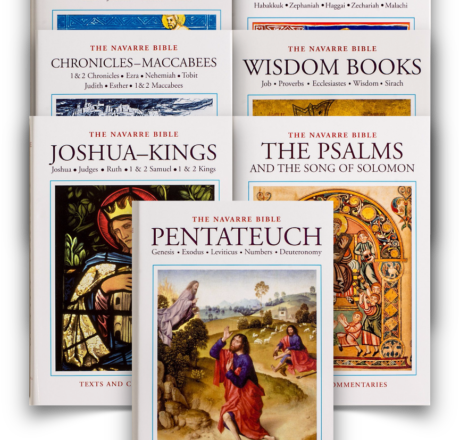
From: 2 Thessalonians 3:6-12, 16-18
Avoiding Idleness. Earning One's Living
----------------------------------------------------
[6] Now we command you, brethren, in the name of our Lord Jesus Christ, that you keep away from any brother who is living in idleness and not in accord with the tradition that you received from us. [7] For you yourselves know how you ought to imitate us; we were not idle when we were with you, [8] we did not eat any one's bread without paying, but with toil and labor we worked night and day, that might not burden any of you. [9] It was not because we have not that right, but to give you in our conduct an example to imitate. [10] For even when we were with you, we gave you this command: If any one will not work, let him not eat. [11] For we hear that some of you are living in idleness, mere busy bodies, not doing any work. [12] Now such persons we command and exhort in the Lord Jesus Christ to do their work in quietness and to earn their own living.
Prayer and Farewell Wishes
---------------------------------
[16] Now may the Lord of peace himself give you peace at all times in all ways. The Lord be with you all.
***********************************************************************
Commentary:
6. St. Paul wants to prevent the misconduct of some Christians spreading to others; and at the same time he wants to help the transgressors to turn back--which they may do if they are made to feel isolated. Excessive tolerance of irregular behavior does nothing to encourage reform and only helps the spread of permissiveness.
That was the Apostle's usual policy: "I wrote to you in my letter not to associate with immoral men; not at all meaning the immoral of this world, or the greedy and robbers, or idolaters, since then you would need to go out of the world. But rather I wrote to you not to associate with any one who bears the name of brother if he is guilty of immorality or greed, or is an idolater, reviler, drunkard, or robber" (1 Cor 5:10-11).
7-12. Some of the Thessalonians, wrongly thinking that the Parousia was about to happen, had given up working and were living in idleness, minding everyone's business but their own. So the Apostle reminds them all that when he was among them he worked to keep himself and was a burden on no one.
The Second Vatican Council underlines the value of work when it exhorts "Christians, as citizens of both cities, to perform their duties faithfully in the spirit of the Gospel." Far from neglecting earthly responsibilities, they should, as the Council goes on, realize that by their faith they "are bound all the more to fulfill these responsibilities according to the vocation of each one (cf. 2 Thess 3:6-13; Eph 4:28)" ("Gaudium Et Spes", 43).
"For the love of God, for the love of souls, and to live up to our Christian vocation, we must give good example. So as not to give scandal, or to provoke even the faintest suspicion that the children of God are soft and useless, so as not to disedify..., you must strive to show an example of balanced justice, to behave properly as responsible people. The farmer who ploughs his field while constantly raising his heart to God, just as much as the carpenter, the blacksmith, the office worker, the academic--all Christians in fact--have to be an example for their colleagues at work, and to be humble about it. Therefore, everyone, in his job, in whatever place he has in society, must feel obliged to make his work God's work, sowing everywhere the peace and joy of the Lord" (St. J. Escriva, "Friends of God", 70).
16. "The Lord of peace", or "the God of peace", is a title found in a number of St. Paul's letters (cf. Rom 15:33; 2 Cor 13:11; Phil 4:9; 1 Thess 5;23), because Redemption, by wiping out sin, establishes people's friendship with God and with one another. The wish expressed by the Apostle here echoes the greeting Christians normal used with one another, a greeting our Lord himself recommended: "Whatever house you enter, first say, 'Peace be to this house' (Lk 10:5). The Jews used and continue to use the same greeting--"Shalom" (=peace). When a Christian greets someone in this way it should be a sincere expression of his love of God and love of others and not just mere polite well-wishing, hoping people will "enjoy themselves".
Referring to empty, selfish peace of that sort, our Lord said that he had come to bring not peace but a sword (cf. Mt 10:34). He also warned us that the peace he gives is not peace of the type the world gives (cf. Jn 14:27), but a peace which comes from the Holy Spirit (cf. Gal 5:22) and which "passes all understanding" (Phil 4:7). "It is useless to call for exterior calm if there is no calm in men's consciences, in the center of their souls" (St. J. Escriva, "Christ Is Passing By", 73).
We should therefore always be "eager to maintain the unity of the Spirit in the bond of peace" (Eph 4;3). If we are, we will be builders of peace and will receive the reward Christ promised when he proclaimed, "Blessed are the peacemakers, for they shall be called sons of God" (Mt 5:9). In this connection John Paul II has said, "Peace is work we have to do; it calls for commitment and solidarity with one another. But it is also (inseparably and above all) something in God's gift: we need to pray for it" ("Address", 8 December 1978).
From: Matthew 23:27-36
Jesus Indicts the Scribes and Pharisees (Continuation)
------------------------------------------------------------------
(Jesus said to the scribes and Pharisees,) [27] "Woe to you, scribes and Pharisees, hypocrites! for you are like white-washed tombs, which outwardly appear beautiful, but within they are full of dead men's bones and all uncleanness. [28] So you also outwardly appear righteous to men, but within you are full of hypocrisy and iniquity.
[29] "Woe to you, scribes and Pharisees, hypocrites! for you build the tombs of the prophets and adorn the monuments of the righteous, [30] saying, `If we had lived in the days of our fathers, we would not have taken part with them in shedding the blood of the prophets.' [31] Thus you witness against yourselves, that you are sons of those who murdered the prophets. [32] Fill up, then, the measure of your fathers." [33] You serpents, you brood of vipers, how are you to escape being sentenced to hell?
***********************************************************************
Commentary:
27-28. The Jews used to whitewash tombs annually, shortly before the feast of the Passover. The whitewash made the tombs more visible and helped to avoid people brushing against them, which would have meant incurring legal uncleanness for seven days (Numbers 19:16; Luke 11:44).
In the sunlight, these tombs sparkled radiantly white, but inside they held corruption.
29-32. Our Lord shows them that they are cut off from the same cloth as their ancestors--not because they erect mausoleums in honor of prophets and just men but because they are guilty of the same sin as those who killed the prophets. Hence their hypocrisy, which makes them even worse than their fathers. With pained irony Jesus tells them that they are compounding the sins of their ancestors.
Clearly this is referring to His passion and death: if the ancients killed the prophets, by causing Him to suffer and die our Lord's contemporaries will still be more cruel.
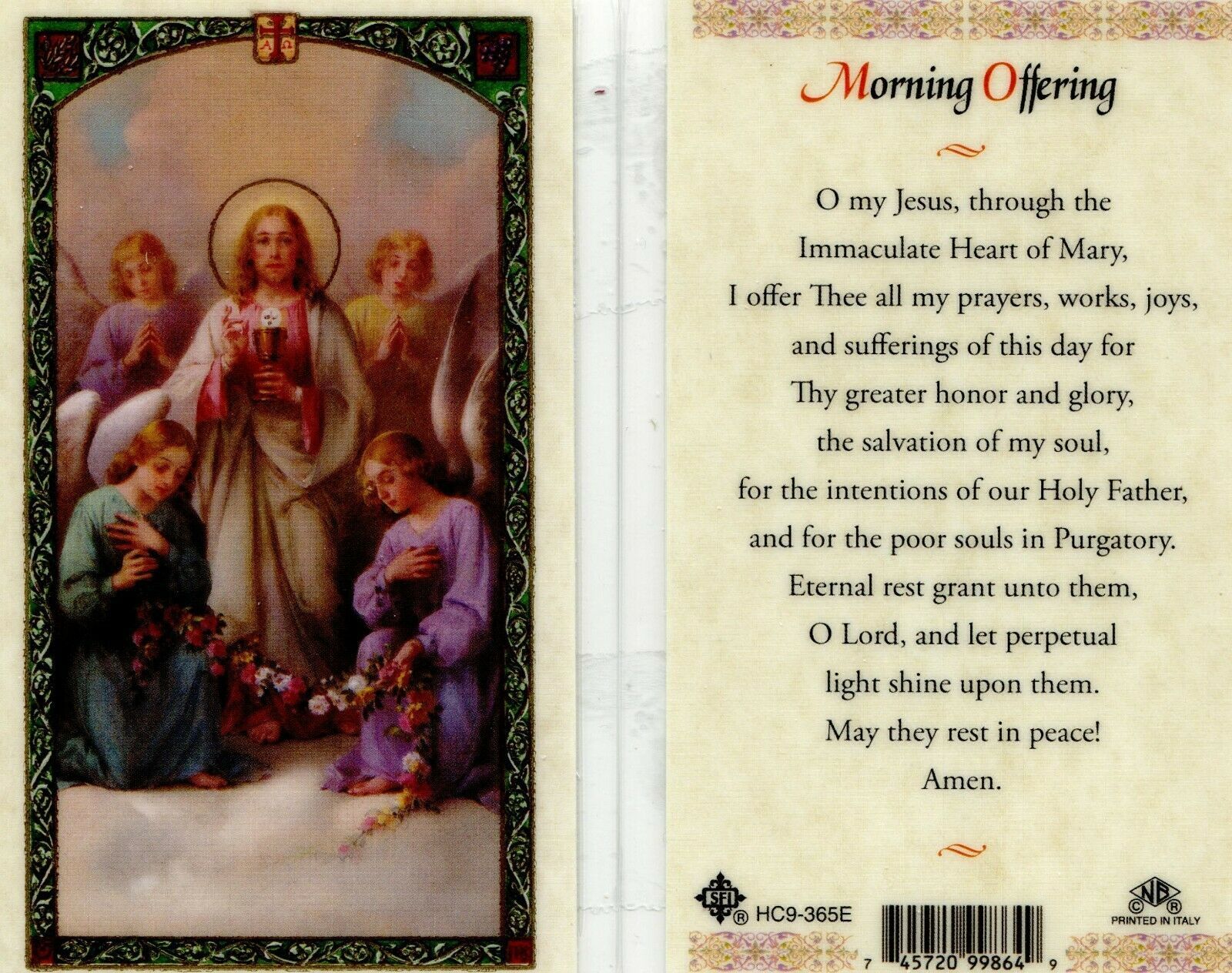
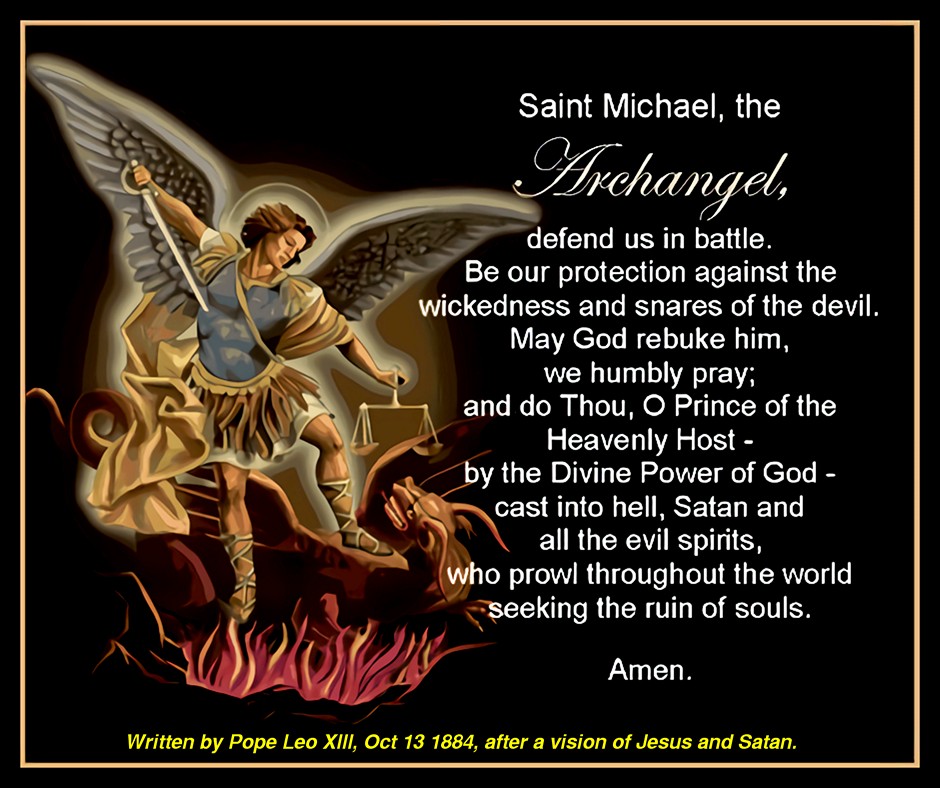
The Month of August is Dedicated to the Immaculate Heart of Mary

“In the sixth month the angel Gabriel was sent from God to a city of Galilee named Nazareth, to a virgin betrothed to a man whose name was Joseph, of the house of David; and the virgin’s name was Mary. And he came to her and said, “Hail, full of grace, the Lord is with you!”” (Luke 1:26-28)

Pope Leo XIV’s prayer intention for the month of August, 2026:
For evangelization in the city
Let us pray that in large cities often marked by anonymity and loneliness we find new ways to proclaim the Gospel, discovering creative paths to build community.

Disclaimer: Opinions posted on Free Republic are those of the individual posters and do not necessarily represent the opinion of Free Republic or its management. All materials posted herein are protected by copyright law and the exemption for fair use of copyrighted works.


