
Posted on 07/28/2026 9:57:17 PM PDT by fidelis
Memorial of Saints Martha, Mary, and Lazarus
Many of the Jews had come to Martha and Mary to comfort them about their brother [Lazarus, who had died]. When Martha heard that Jesus was coming, she went to meet him; but Mary sat at home. John 11:19–20
The Gospel for today’s Memorial begins with grief. Grief brings the community together and prepares us for the divine drama to unfold. As Jesus approaches the house, He is met with sorrow, yet He is ready to transform it into a house of hope and joy.
Martha, Mary, and Lazarus were siblings and close friends of Jesus. Jesus and His disciples visited their home on multiple occasions and received their generous hospitality. Though little is known about Lazarus’ personality, the characteristics of Martha and Mary are more clearly revealed through their interactions with our Lord.
Martha is often portrayed as active, practical, and hospitable. She speaks directly and openly, even in her grief, professing her faith in Jesus as “the Christ, the Son of God.” Her words and actions show a heart of deep faith, even when she does not yet understand the full mystery unfolding before her. Mary, on the other hand, is more contemplative and reserved. She is the one who sat at the feet of Jesus, listening to His words while Martha served. In this Gospel scene, she remains at home, likely immersed in silent sorrow. Yet later, when she encounters Jesus, she too will express deep faith and devotion—falling at His feet in tears.
Together, these sisters reveal different dimensions of discipleship: the active and the contemplative, the spoken and the silent, the service of love and the adoration of the heart. Each responded to Jesus in her own way, and both were deeply loved by Him. Likewise, our Lord welcomes our personalities, griefs, and strengths. Whether we are more like Martha or Mary, Jesus invites us to draw near to Him and to trust that He is “the Resurrection and the Life.”
Though little is known about Lazarus, we do know that he was greatly loved by Jesus. When Jesus arrived at Lazarus’ tomb, He was deeply moved: “And Jesus wept” (John 11:35). This is the shortest verse in Scripture, yet one of the most profound. The raising of Lazarus from the dead was a prefiguration of Jesus’ own Resurrection and a powerful sign of His divine authority over death. Lazarus became a living witness to Christ’s power, and his very presence later stirred such amazement that the chief priests plotted to kill him (cf. John 12:10–11). In this way, Lazarus stands as a silent but radiant sign of hope: one who passed through the darkness of death and was called forth by the voice of the Son of God. His story reminds us that even in our tombs of suffering, despair, or sin, Jesus comes to call us forth to new life.
Reflect today on the tender love Jesus had for this saintly family. See yourself and your own earthly family in them. Know that Jesus desires to dwell in your home, to relate with you personally, and to make your home a sanctuary of His abiding presence. Welcome Him in. Like Martha, serve Him with generosity. Like Mary, sit at His feet in loving adoration. And like Lazarus, allow Him to lift your spirit, restore your soul, and call you forth from whatever binds you. Jesus does all of this joyfully—moved with deep compassion, affection, and love for you.
My Lord and divine Friend, just as Your Sacred Heart was moved with compassion and holy sorrow at the death of Your friend Lazarus and at the grief of his sisters, so too is Your Heart moved with love for me—even when I fail. Strengthen me, dear Lord, by Your abiding presence in the sanctuary of my heart. May my life be a home You visit often and a place of faith, love, and friendship. Jesus, I trust in You.
Please keep in mind that this is a Catholic Caucus/Devotional thread for the purpose of prayerful reflection on the Sacred Scriptures and is closed to debate of any kind. Per FR policy on Religion Caucus threads, off-topic, argumentative, and abusive comments are not allowed and will be submitted to the Mods for deletion. Thanks, and God bless you.
Today’s First Reading
From: Jeremiah 15:10, 16-21
Jeremiah's second "confession"
----------------------------------------------
[10] Woe is me, my mother, that you bore me, a man of strife and contention to the whole land! I have not lent, nor have I borrowed, yet all of them curse me.
[16] Thy words were found, and I ate them, and thy words became to me a joy and the delight of my heart; for I am called by thy name, O Lord, God of hosts. [17] I did not sit in the company of merrymakers, nor did I rejoice; I sat alone, because thy hand was upon me, for thou hadst filled me with indignation. [18] Why is my pain unceasing, my wound incurable, refusing to be healed? Wilt thou be to me like a deceitful brook, like waters that fail?
[19] Therefore thus says the Lord: "If you return, I will restore you, and you shall stand before me. If you utter what is precious, and not what is worthless. you shall be as my mouth. They shall turn to you, but you shall not turn to them. [20] And I will make you to this people a fortified wall of bronze; they will fight against you, but they shall not prevail over you, for I am with you to save you and deliver you, says the Lord. [21] I will deliver you out of the hand of the wicked, and redeem you from the grasp of the ruthless."
********************************************
Commentary:
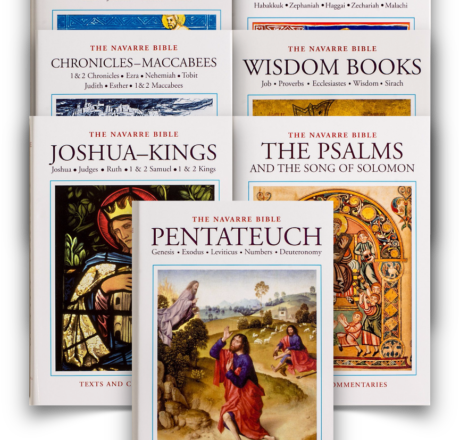
15:10-21. Jeremiah again opens his heart to the Lord. The mission God gave him has not proved easy. In vv. 10-11 he seems to share his thoughts with his mother, with himself and with God, and in vv. 15-21 he makes a prayerful complaint to God, who spells out what course he should take and offers hope of deliverance. Verses 12-14, which break the thread of the passage and are to be found again in 17:3-4, seem to stress the solidarity that exists between Jeremiah and the people.
Despite the fact that Jeremiah has sought only to serve the Lord and intercede with him even on behalf of enemies, wishing no one evil, he has been rejected and cursed and has become a source of discord. He tells the Lord how pained he feels (vv. 10-11) and he goes on to recall times when he felt very happy in his relations with God (v. 16), and other times when he felt desolate because everyone rejected him (vv. 17-18). As in the first "confession" (11:18-12:6), the Lord's reply seems harsh, calling him to personal conversion (v. 19a). Because Jeremiah must preach conversion to others, he must begin with himself, by being true to the mission entrusted to him; he must shed any feelings of pessimism. Once he is cleansed, he will be well able to speak the word of the Lord and the people will heed him (vv. 19b-21).
Jeremiah's trusting dialogue with the Lord, and the reply he is given (v. 19), are a personal call to the reader of this passage: "This is meant for everyone, for God is always calling on us to return to him" (Origen, “Homiliae in Jeremiam”, 14, 18).
From: John 11:17-45
The Raising of Lazarus (Continuation)
-------------------------------------
[19] And many of the Jews had come to Martha and Mary to console them concerning their brother. [20] When Martha heard that Jesus was coming, she went and met Him, while Mary sat in the house. [21] Martha said to Jesus, "Lord, if You had been here, my brother would not have died. [22] And even now I know that whatever You ask from God, God will give You." [23] Jesus said to her, "Your brother will rise again." [24] Martha said to Him, "I know that he will rise again in the resurrection at the last day." [25] Jesus said to her, "I am the resurrection and the life, he who believes in Me, though he die, yet shall he live, [26] and whoever lives and believes in Me shall never die. Do you believe this?" [27] She said to Him, "Yes, Lord; I believe that You are the Christ, the Son of God, He who is coming into the world."
***********************************************************************
Commentary:
21-22. According to St. Augustine, Martha's request is a good example of confident prayer, a prayer of abandonment into the hands of God, who knows better than we what we need. Therefore, "she did not say, But now I ask You to raise my brother to life again. [...] All she said was, I know that You can do it; if you will, do it; it is for you to judge whether to do it, not for me to presume" ("In Ioann. Evang.", 49, 13). The same can be said of Mary's words, which St. John repeats at verse 32.
24-26. Here we have one of those concise definitions Christ gives of Himself, and which St. John faithfully passes on to us (cf. John 10:9; 14:6; 15:1): Jesus is the Resurrection and the Life. He is the Resurrection because by His victory over death He is the cause of the resurrection of all men. The miracle He works in raising Lazarus is a sign of Christ's power to give life to people. And so, by faith in Jesus Christ, who arose first from among the dead, the Christian is sure that he too will rise one day, like Christ (cf. 1 Corinthians 15:23; Colossians 1;18). Therefore, for the believer death is not the end; it is simply the step to eternal life, a change of dwelling-place, as one of the Roman Missal's Prefaces of Christian Death puts it: body of our earthly dwelling lies in death, we gain an everlasting dwelling place in Heaven".
By saying that He is Life, Jesus is referring not only to that life which begins beyond the grave, but also to the supernatural life which grace brings to the soul of man when he is still a wayfarer on this earth.
"This life, which the Father has promised and offered to each man in Jesus Christ, His eternal and only Son, who 'when the time had fully come' (Galatians 4:4), became incarnate and was born of the Virgin Mary, is the final fulfillment of man's vocation. It is in a way the fulfillment of the 'destiny' that God has prepared for him from eternity. This 'divine destiny' is advancing, in spite of all the enigmas, the unsolved riddles, the twists and turns of 'human destiny' in the world of time. Indeed, while all this, in spite of all the riches of life in time, necessarily and inevitably leads to the frontiers of death and the goal of the destruction of the human body, beyond that goal we see Christ. 'I am the resurrection and the life, He who believes in Me...shall never die.' In Jesus Christ, who was crucified and laid in the tomb and then rose again, 'our hope of resurrection dawned...the bright promise of immortality' ("Roman Missal", Preface of Christian Death, I), on the way to which man, through the death of the body, shares with the whole of visible creation the necessity to which matter is subject" (St. Pope John Paul II, "Redemptor Hominis", 18).
The Month of July is Dedicated to the Precious of Jesus

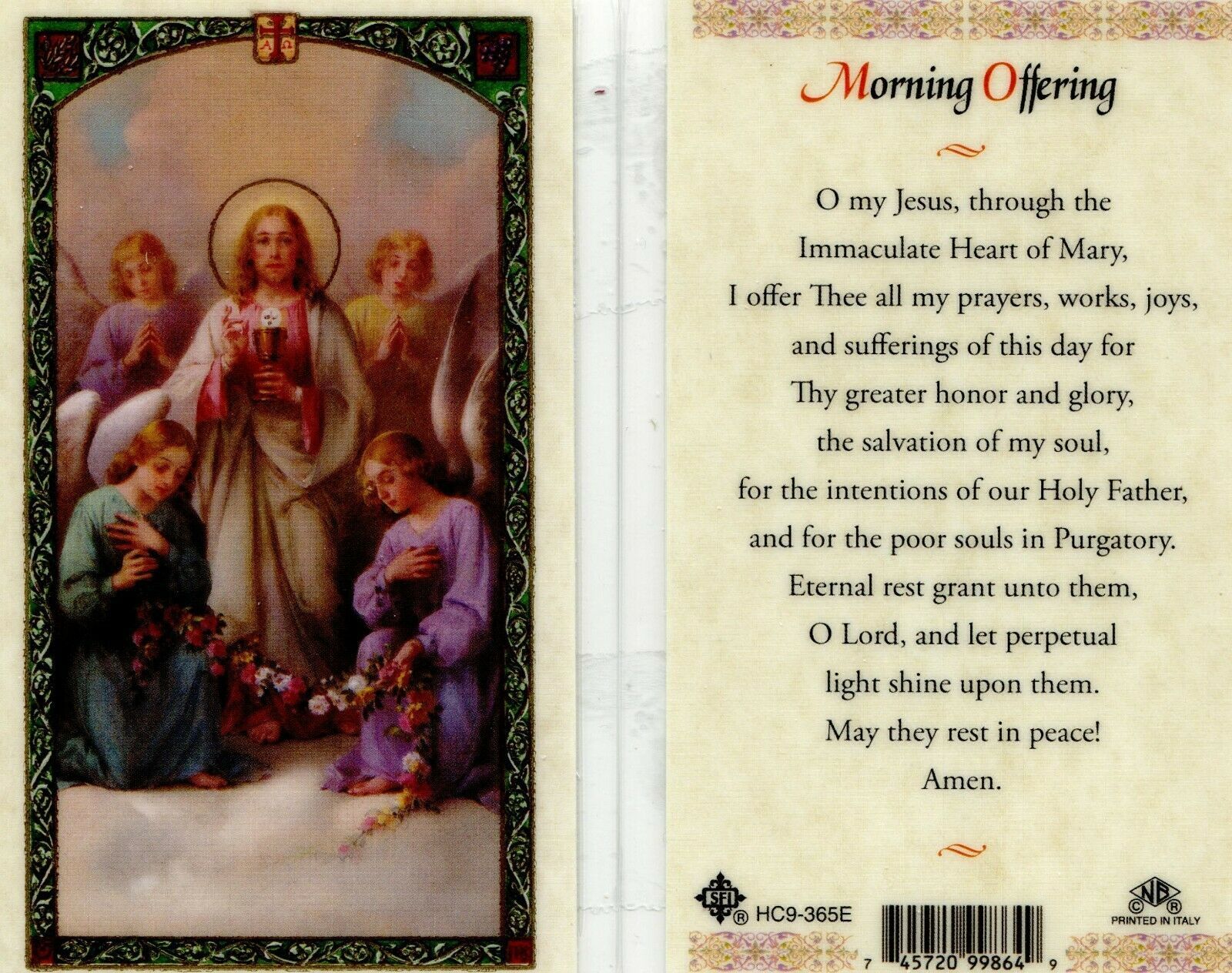
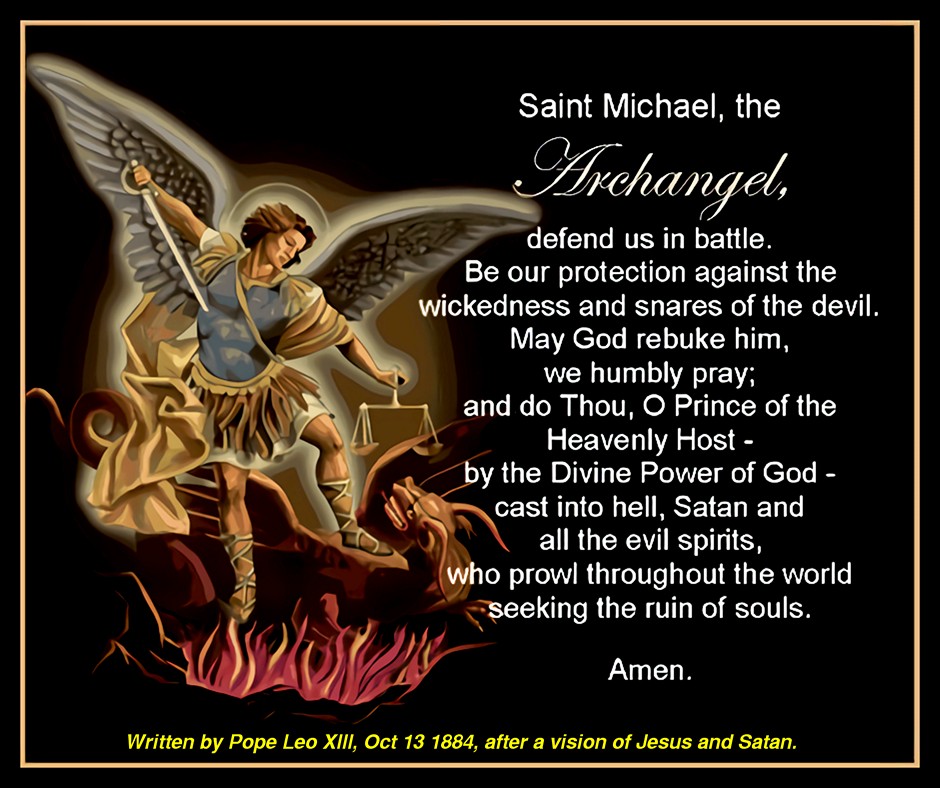
“They triumphed over the devil by the blood of the Lamb and by the word of their testimony; they did not love their lives so much as to shrink from death.” (Revelation 12:11)

Pope Leo XIV’s prayer intention for the month of July, 2026:
For respect for human life
Let us pray for the respect and protection of human life in all its stages, recognizing it as a gift from God.

Disclaimer: Opinions posted on Free Republic are those of the individual posters and do not necessarily represent the opinion of Free Republic or its management. All materials posted herein are protected by copyright law and the exemption for fair use of copyrighted works.

