
Posted on 06/07/2026 10:00:02 PM PDT by fidelis
When Jesus saw the crowds, he went up the mountain, and after he had sat down, his disciples came to him. He began to teach them, saying: “Blessed are the poor in spirit, for theirs is the Kingdom of heaven…” Matthew 5:1–3
Like Moses, Jesus “went up the mountain” to deliver divine teaching. Rather than issuing commandments, He proclaimed invitations to partake in God’s very life. The Beatitudes do not merely set forth a moral code; they unveil the interior dispositions of those who live in communion with God’s grace, revealing a blessedness that transcends worldly notions of morality. Jesus did not receive these divine laws as a prophet; He delivered them as God—not inscribed on stone tablets, but written upon the hearts of those who receive His wisdom in faith.
The Ten Commandments, given by God through Moses, present moral precepts that are easily understood. The Beatitudes, however, can only be grasped through the gift of divine insight. For this reason, they can be challenging at first. Why would anyone desire to be poor in spirit, to mourn, to be meek, to hunger and thirst for righteousness, to be merciful, pure of heart, a peacemaker, or to suffer persecution and insult? Because those who embrace this way of life are rewarded with the Kingdom of Heaven: They will receive divine comfort, be satisfied, obtain mercy, see God, be called children of God, and receive great reward in Heaven.
The Beatitudes are divine paradoxes. They reveal how true blessedness is found not in earthly power, wealth, or comfort, but in spiritual poverty, humility, and even suffering for the sake of righteousness. They overturn worldly expectations, teaching that those who seem least in the eyes of the world are, in fact, greatest in the eyes of God. By embracing these paradoxes, a disciple of Christ discovers that what appears to be weakness is, in reality, the path to divine strength, and what seems like loss is, in truth, the means to eternal gain.
For those who enjoy earthly power, wealth, or comfort, the Beatitudes are exceptionally challenging. Yet for those who are weak, poor, or afflicted, the Beatitudes offer profound consolation. Divine Wisdom is the fullness of Truth, accessible only through the gift of grace. No amount of human reasoning or philosophical argument can fully unveil the depth of the Beatitudes—only God, through His grace, can open the mind and heart to their truth.
Throughout life, we are confronted with countless competing opinions about how we ought to live. A deep desire for happiness is inscribed upon every human soul, yet people seek its fulfillment in vastly different ways. While worldly wisdom may offer guidance for a healthy and comfortable life, only divine Wisdom can fulfill the soul’s deepest longing for true and lasting happiness.
Reflect today on your desire for happiness. Because of our fallen human nature, we suffer from what the Church calls “concupiscence.” Concupiscence distorts our passions and desires, obscures our thinking, and weakens our will, making it difficult to discover the true path to the fulfillment we desire. The Beatitudes remedy concupiscence by exposing our fallen tendencies and the false promises of happiness we so easily believe, redirecting us toward the truth. Embrace the wisdom of the Beatitudes, strive to live them by the aid of grace, and you will discover that your deepest desires are fulfilled—not in passing pleasures, but in the truth of these interior dispositions.
Lord of all Wisdom, You have created me for true and lasting happiness, yet I often seek fulfillment in worldly comforts and turn from the path You have set before me. Grant me the gift of Your Wisdom to recognize Your way and the grace to follow it faithfully, that I may one day rejoice forever in Your Kingdom. Jesus, I trust in You.
Please keep in mind that this is a Catholic Caucus/Devotional thread for the purpose of prayerful reflection on the Sacred Scriptures and is closed to debate of any kind. Per FR policy on Religion Caucus threads, off-topic, argumentative, and abusive comments are not allowed and will be submitted to the Mods for deletion. Thanks, and God bless you.
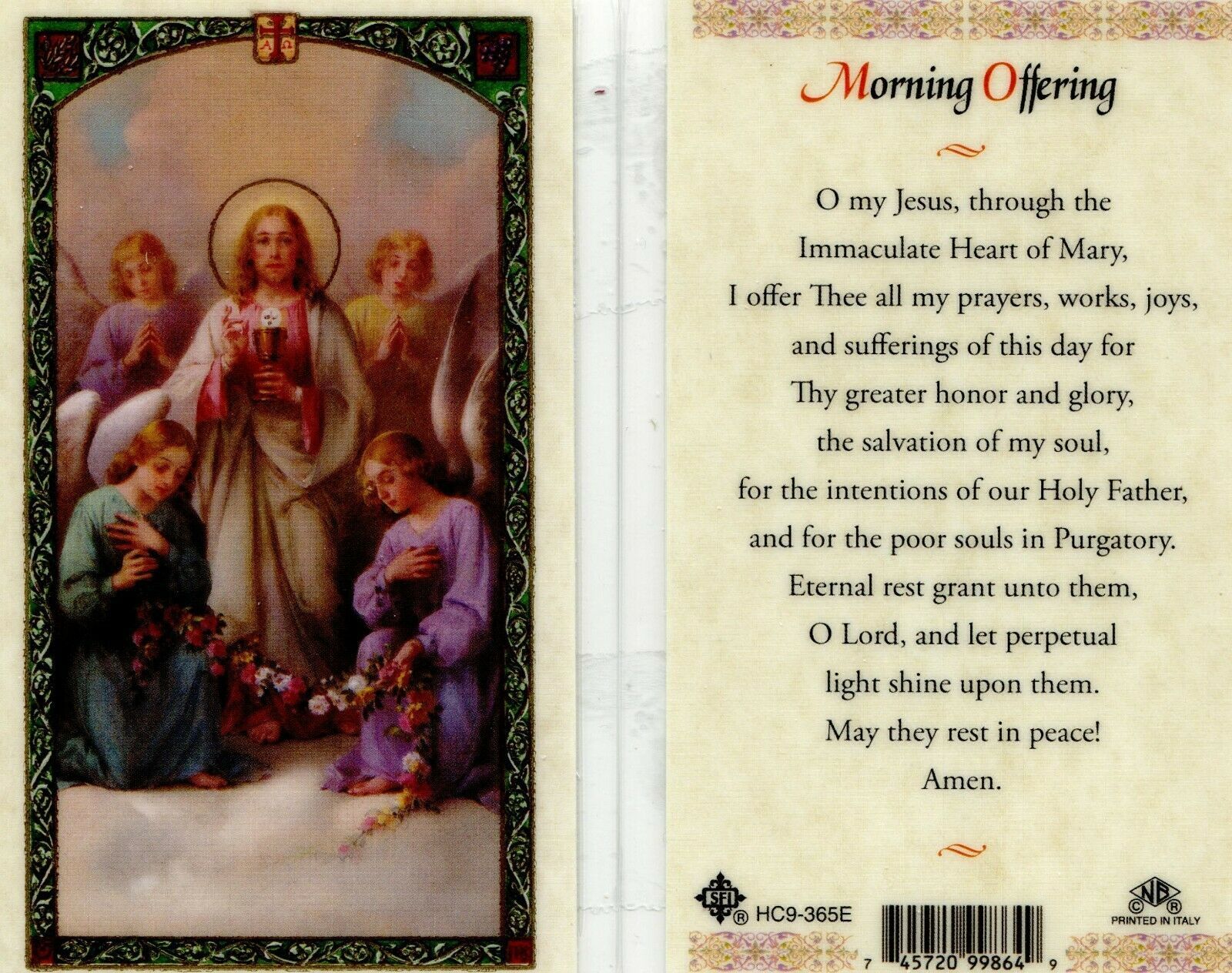
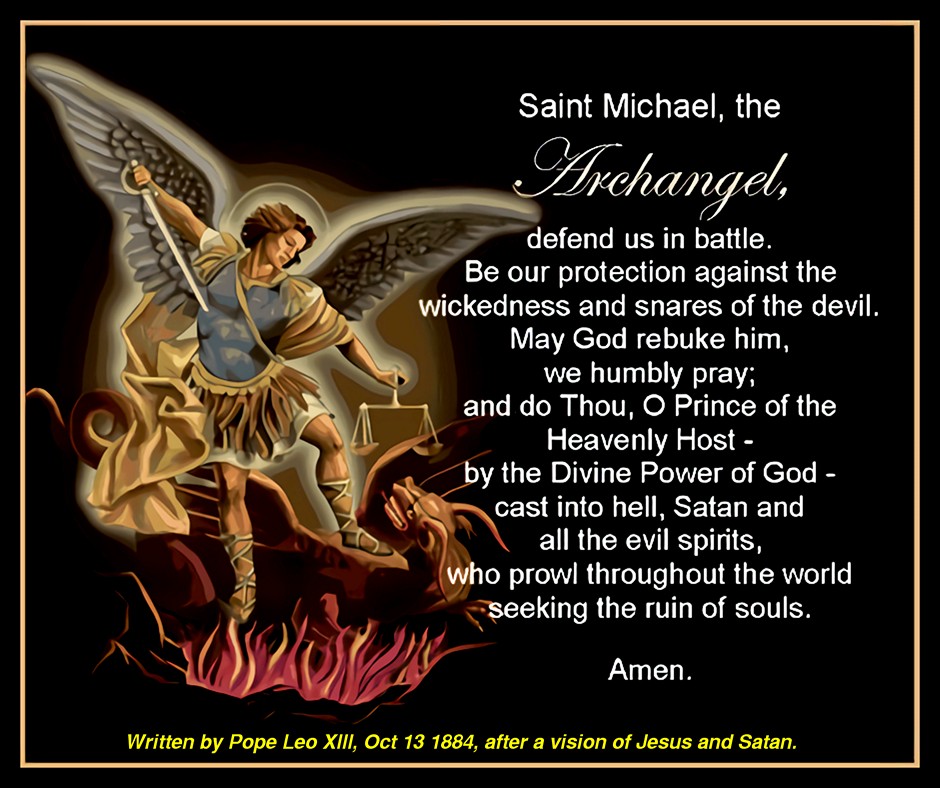
The Month of June is Dedicated to the Sacred Heart of Jesus

“Come to me, all who labor and are heavy laden, and I will give you rest. Take my yoke upon you, and learn from me; for I am gentle and lowly in heart, and you will find rest for your souls. For my yoke is easy, and my burden is light.” (Matthew 11:28-30)

Pope Leo XIV’s prayer intention for the month of May, 2026:
For the values of sports
Let us pray that sports be an instrument of peace, encounter, and dialogue among cultures and nations, and that they promote values such as respect, solidarity, and personal growth.

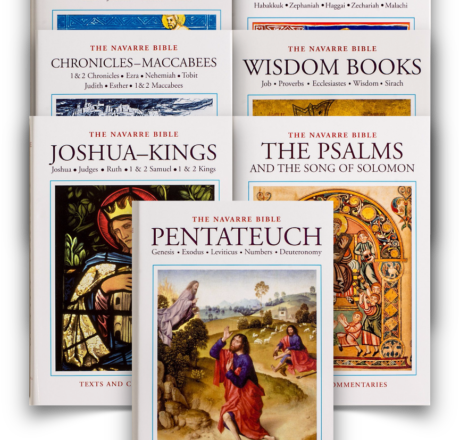
Today’s First Reading
From: 1 Kings 17:1-6
Elijah foretells the drought
--------------------------------------
[1] Now Elijah the Tishbite, of Tishbe in Gilead, said to Ahab, “As the Lord the God of Israel lives, before whom I stand, there shall be neither dew nor rain these years, except by my word.” [2] And the word of the Lord came to him, [3] “Depart from here and turn eastward, and hide yourself by the brook Cherith, that is east of the Jordan. [4] You shall drink from the brook and I have commanded the ravens to feed you there.”
The Ravens bring Elijah food
---------------------------------------
[5] So he went and did according to the word of the Lord; he went and dwelt by the brook Cherith that is east of the Jordan. [6] And the ravens brought him bread and meat in the morning, and bread and meat in the evening; and he drank from the brook.
***************************************************************************
Commentary:
1 Kings 17:1-2 – 2 Kings 1:18. The ample coverage given to the reign of Ahab is not so much due to the actions of the king as to the fact that God raised up at this time prophets who played a critical role in maintaining knowledge and worship of the God of Israel when they were under threat. The most outstanding of these prophets is Elijah. It is quite likely that the narratives to do with Elijah were lifted straight out of another text and inserted here, like other accounts of prophets of the same time – an unnamed prophet (chap. 20) and Micaiah the son of Imlah (chap. 22), both of whom speak to the king on God’s behalf during the war against Syria.
17:1-19:21. The great drought, which is the backdrop of chapters 17-19, seems to be a divine punishment for the king’s idolatry reported in the previous chapter; but the main thing it does is to provide an opportunity to show the superiority of the God of Israel over the Canaanite god Baal. Elijah, whose name means “my God is the Lord”, is an itinerant prophet who, like the patriarchs, moves around the country in obedience to the word of the Lord.
God makes himself known in a new way through the prophet Elijah. The same God who manifested himself as friend and protector of the patriarchs, and who gave the Law to Moses, now reveals himself as the Lord of creation and of nature. To the Canaanites the god Baal was master of the forces of nature –rain, storms, fertility etc. Through the prophet Elijah the true God reveals himself to be distinct from and higher than all those forces, no matter what their power (cf. 19:11-13), as well as being their Lord (cf. 17:1). Elijah is the champion of the rights of God and of the poor (cf. chap 21) and in this sense he is a model for all the prophets that will come after him, the so-called writer prophets. “Elijah is the ‘father’ of the prophets, ‘the generation of those who seek him, who seek the face of the God of Jacob’ (Ps 24:6)” (Catechism of the Catholic Church, 2582).
17:1-4. It is possible that in Gilead, a region in the Transjordan, the religious tradition of Israel was kepti n a purer form than in Samaria, where Jezebel’s influence reigned. “Before whom I stand” (v. 1): Elijah uses this technical expression to present himself as a servant of God (in the same sort of way as courtiers, who stand in the presence of the king, serve the king) and as his representative.
The prophet’s oracle (“As the Lord lives …”: v. 1), which appears in the text out of nowhere, spells outright rejection of the cult of Baal, the god of rain, because only the God of Israel is the master of nature. Moreover, since the prophet represents God, what he says (since it always accords with the divine will) will be what God does. This will happen also with those who bear witness to Jesus in the New Testament: they act with the power of the Lord and through their faithful testimony they are able to emerge victorious over an opposition or any obstacle they meet, as the apostle John teaches, apropos of the two witnesses, when he recalls this episode of Elijah (cf. Rev 11:6, 12). St John Chrysostom comments that “in the time of Elijah, the heavens were opened and closed again, but only to let rain fall or to prevent it. Now, however, God has opened the gates of heaven to allow us to enter; and not only so that we ourselves may enter, but – and this is a greater marvel yet – so that we may bring all others along with us; so great is this faith and power that we are given over what is his” (Homiliae in Matthaeum, 12,4).
17:5-7. The “brook Cerith” (location uncertain) may have been a small gorge running north from the river Yarmuk. The food given the prophet is reminiscent of the manna that God gave his people in the wilderness (cf. Ex 16:8-12).
St Augustine sees in this passage an allegory of Christ and his Church: “The holy prophet Elijah is a figure of the Lord and Saviour. Just as Elijah suffered persecution at the hands of the Jews, the true Elijah, our Lord, was rejected and condemned by the Jews. Elijah left his people and Christ left the synagogue. Elijah went out into the desert and Christ came into this world. Elijah was fed in the desert by crows, and Christ was nourished in the desert of this world by the faith of the Gentiles. The crows that brought food to Elijah in accordance with the Lord’s command symbolize the Gentile peoples. Thus it is written of the church of Gentiles: ‘I am black but beautiful, daughters of Jerusalem.’ Why black and beautiful? Black by birth, and made beautiful by grace. Why black? ‘Because I was conceived in iniquity and born of my mother in sin.’ Why beautiful? ‘Sprinkle me with the hyssop and I will be made clean, wash me and I will be made whiter than snow’” (Sermons attributed to St Augustine, Sermons, 40, 1).
From: Matthew 5:1-12
The Beatitudes
--------------
[1] Seeing the crowds, He (Jesus) went up on the mountain, and when He sat down His disciples came to Him. [2] And He opened His mouth and taught them, saying: [3] "Blessed are the poor in spirit, for theirs is the Kingdom of Heaven. [4] Blessed are those who mourn, for they shall be comforted. [5] Blessed are the meek, for they shall inherit the earth. [6] Blessed are those who hunger and thirst for righteousness, for they shall be satisfied. [7] Blessed are the merciful, for they shall obtain mercy. [8] Blessed are the pure of heart, for they shall see God. [9] Blessed are the peacemakers, for they shall be called children of God. [10] Blessed are those who are persecuted for righteousness' sake, for theirs is the Kingdom of Heaven. [11] Blessed are you when men revile you and persecute you and utter all kinds of evil against you falsely on My account. [12] Rejoice and be glad, for your reward is great in Heaven, for so men persecute the prophets who were before you."
***********************************************************************
Commentary:
1. The Discourse, or Sermon, on the Mount takes up three full chapters of St. Matthew's Gospel--Chapters 5-7. It is the first of the five great discourses of Jesus which appear in this Gospel and it contains a considerable amount of our Lord's teaching. It is difficult to reduce this discourse to one single theme, but the various teachings it contains could be said to deal with these five points: 1) the attitude a person must have for entering the Kingdom of Heaven (the Beatitudes, the salt of the earth, the light of the world, Jesus and His teaching, the fullness of the Law); 2) uprightness of intention in religious practice (here the "Our Father" would be included); 3) trust in God's fatherly providence; 4) how God's children should behave towards one another (not judging one's neighbor, respect for holy things, the effectiveness of prayer, and the golden rule of charity); 5) the conditions for entering the Kingdom (the narrow gate, false prophets and building on rock).
"He taught them": this refers both to the disciples and to the multitude, as can be seen at the end of the Sermon (Matthew 7:28).
2. The Beatitudes (5:3-12) form, as it were, the gateway to the Sermon on the Mount. In order to understand the Beatitudes properly, we should bear in mind that they do not promise salvation only to the particular kinds of people listed here: they cover everyone whose religious dispositions and moral conduct meet the demands which Jesus lays down. In other words, the poor in spirit, the meek, those who mourn, those who hunger and thirst after righteousness, the merciful, the pure in heart, the peacemakers and those who suffer persecution in their search for holiness--these are not different people or kinds of people but different demands made on everyone who wants to be a disciple of Christ.
Similarly, salvation is not being promised to different groups in society but to everyone, no matter what his or her position in life, who strives to follow the spirit and to meet the demands contained in the Beatitudes.
All the Beatitudes have an eschatological meaning, that is, they promise us definitive salvation not in this world, but in the next. But the spirit of the Beatitudes does give us, in this life, peace in the midst of tribulation. The Beatitudes imply a completely new approach, quite at odds with the usual way man evaluates things: they rule out any kind of pharisaical religiosity, which regards earthly happiness as a blessing from God and a reward for good behavior, and unhappiness and misfortune as a form of punishment. In all ages the Beatitudes put spiritual goods on a much higher plane than material possessions. The healthy and the sick, the powerful and the weak, the rich and the poor--all are called, independently of their circumstances, to the deep happiness that is experienced by those who live up to the Beatitudes which Jesus teaches.
The Beatitudes do not, of course, contain the entire teaching of the Gospel, but they do contain, in embryo, the whole program of Christian perfection.
3. This text outlines the connection between poverty and the soul. This religious concept of poverty was deeply rooted in the Old Testament (cf., e.g., Zephaniah 2:3ff). It was more to do with a religious attitude of neediness and of humility towards God than with material poverty: that person is poor who has recourse to God without relying on his own merits and who trusts in God's mercy to be saved. This religious attitude of poverty is closely related to what is called "spiritual childhood". A Christian sees himself as a little child in the presence of God, a child who owns nothing: everything he has comes from God and belongs to God. Certainly, spiritual poverty, that is, Christian poverty, means one must be detached from material things and practice austerity in using them. God asks certain people--religious--to be legally detached from ownership and thereby bear witness to others of the transitoriness of earthly things.
4. "Those who mourn": here our Lord is saying that those are blessed who suffer from any kind of affliction--particularly those who are genuinely sorry for their sins, or are pained by the offenses which others offer God, and who bear their suffering with love and in a spirit of atonement.
"You are crying? Don't be ashamed of it. Yes, cry: men also cry like you, when they are alone and before God. Each night, says King David, I soak my bed with tears. With those tears, those burning manly tears, you can purify your past and supernaturalize your present life" (St J. Escriva, "The Way", 216).
The Spirit of God will console with peace and joy, even in this life, those who weep for their sins, and later will give them a share in the fullness of happiness and glory in Heaven: these are the blessed.
5. "The meek": those who patiently suffer unjust persecution; those who remain serene, humble and steadfast in adversity, and do not give way to resentment or discouragement. The virtue of meekness is very necessary in the Christian life. Usually irritableness, which is very common, stems from a lack of humility and interior peace.
"The earth": this is usually understood as meaning our Heavenly Fatherland.
6. The notion of righteousness (or justice) in Holy Scripture is an essentially religious one (cf. notes on Matthew 1:19 and 3:15; Romans 1:17; 1:18-32; 3:21-22 and 24). A righteous person is one who sincerely strives to do the Will of God, which is discovered in the commandments, in one's duties of state in life (social, professional and family responsibilities) and through one's life of prayer. Thus, righteousness, in the language of the Bible, is the same as what nowadays is usually called "holiness" (1 John 2:29; 3:7-10; Revelation 22:11; Genesis 15:6; Deuteronomy 9:4).
As St. Jerome comments ("Comm. on Matthew", 5, 6), in the fourth Beatitude our Lord is asking us not simply to have a vague desire for righteousness: we should hunger and thirst for it, that is, we should love and strive earnestly to seek what makes a man righteous in God's eyes. A person who genuinely wants to attain Christian holiness should love the means which the Church, the universal vehicle of salvation, offers all men and teaches them to use--frequent use of the Sacraments, an intimate relationship with God in prayer, a valiant effort to meet one's social, professional and family responsibilities.
7. Mercy is not a just a matter of giving alms to the poor but also of being understanding towards other people's defects, overlooking them, helping them cope with them and loving them despite whatever defects they may have. Being merciful also means rejoicing and suffering with other people.
8. Christ teaches us that the source of the quality of human acts lies in the heart, that is, in a man's soul, in the depths of his spirit. "When we speak of a person's heart, we refer not just to his sentiments, but to the whole person in his loving dealings with others. In order to help us understand divine things, Scripture uses the expression `heart' in its full human meaning, as the summary and source, expression and ultimate basis, of one's thoughts, words and actions. A man is worth what his heart is worth" (St J. Escriva, "Christ Is Passing By", 164).
Cleanness of heart is a gift of God, which expresses itself in a capacity to love, in having an upright and pure attitude to everything noble. As St. Paul says, "whatever is true, whatever is honorable, whatever is just, whatever is pure, whatever is lovely, whatever is gracious, if there is any excellence, if there is anything worthy of praise, think about these things" (Philippians 4:8). Helped by God's grace, a Christian should constantly strive to cleanse his heart and acquire this purity, whose reward is the vision of God.
9. The translation "peacemakers" well convey the active meaning of the original text--those who foster peace, in themselves and in others and, as a basis for that, try to be reconciled and to reconcile others with God. Being at peace with God is the cause and effect of every kind of peace. Any peace on earth not based on this divine peace would be vain and misleading.
"They shall be called sons of God": this is an Hebraicism often found in Sacred Scripture; it is the same as saying "they will be sons of God". St. John's first letter (3:1) provides a correct exegesis of this Beatitude: "See what love the Father has given us, that we should be called children of God; and so we are".
10. What this Beatitude means, then, is: blessed are those who are persecuted because they are holy, or because they are striving to be holy, for theirs is the Kingdom of Heaven.
Thus, blessed is he who suffers persecution for being true to Jesus Christ and who does so not only patiently but joyfully. Circumstances arise in a Christian's life that call for heroism--where no compromise is admissible: either one stays true to Jesus Christ whatever the cost in terms of reputation, life or possessions, or one denies Him. St. Bernard ("Sermon on the Feast of All Saints") says that the eighth Beatitude is as it were the prerogative of Christian martyrs. Every Christian who is faithful to Jesus' teaching is in fact a "martyr" (a witness) who reflects or acts according with this Beatitude, even if he does not undergo physical death.
11-12. The Beatitudes are the conditions Jesus lays down for entering the Kingdom of Heaven. This verse, in a way summing up the preceding ones, is an invitation to everyone to put this teaching into practice. The Christian life, then, is no easy matter, but it is worthwhile, given the reward that Jesus promises.
Disclaimer: Opinions posted on Free Republic are those of the individual posters and do not necessarily represent the opinion of Free Republic or its management. All materials posted herein are protected by copyright law and the exemption for fair use of copyrighted works.


