
Posted on 05/30/2026 10:31:51 PM PDT by fidelis
The Solemnity of the Most Holy Trinity
God so loved the world that he gave his only Son, so that everyone who believes in him might not perish but might have eternal life. For God did not send his Son into the world to condemn the world, but that the world might be saved through him. Whoever believes in him will not be condemned, but whoever does not believe has already been condemned, because he has not believed in the name of the only Son of God. John 3:16–18
Saint John the Apostle is identified in his Gospel as “the disciple whom Jesus loved,” a title that appears multiple times and has been consistently understood in the Church’s tradition to refer to John himself (cf. John 13:23; 19:26; 20:2; 21:7; 21:20). By calling himself the beloved disciple, John was revealing his interior experience of the perfect love he encountered in Jesus. Certainly, Jesus loved everyone—equally and without limit. Yet John includes this personal designation not to claim favoritism, but to offer a personal testimony to the divine love made manifest in Christ’s humanity—love he experienced firsthand and which changed his life.
Love plays a central role in John’s writings—not only in his Gospel but also in his letters and the Book of Revelation. In his First Letter, likely written to the Christian communities he helped convert and shepherd, John declares: “God is love, and whoever remains in love remains in God and God in him” (1 John 4:16). This is both a personal sentiment and a profound theological affirmation. John speaks from both divine inspiration and lived experience; he had walked with Love Incarnate. To say “God is love” is to profess that love is not something God merely does—it is who God is. God’s love is not a feeling, not sentimentality, but the pure, self-giving, eternal communion of Father, Son, and Holy Spirit—a love that precedes and surpasses all creation.
That mystery lies at the very heart of today’s Solemnity. Because God is Love in His very essence, love naturally flows from His divine nature in superabundance. God loves because He is Love. Today’s Gospel reveals the most perfect expression of that divine essence: “God so loved the world that he gave his only Son…” This eternal, Trinitarian love is made visible in time when the Father sends the Son, conceived by the overshadowing of the Holy Spirit in the womb of the Blessed Virgin Mary.
Why does God give His Son? So that we might not perish but have eternal life. That is, so we may be drawn into the very life of God—into the Trinitarian communion of love. God desires to rescue us from condemnation and to share with us His Divine Existence.
This is the essence of Divine Love. This is the Trinity. And this is the astonishing invitation extended to every soul: To believe in the Son is to begin participating in the eternal love that flows ceaselessly between the Father and the Son in the Holy Spirit—a love that never ends. We are invited to be caught up by the love of God into Love Himself: the eternal communion of the Father, Son, and Holy Spirit.
Reflect today on the Most Holy Trinity. We were made to share in Their Life and Love. Though the fullness of the Trinity remains a mystery beyond human grasp, it is not beyond human encounter. Through grace, revelation, and contemplative union, God draws us to Himself—not to explain Himself, but to be consumed by Him. Celebrate this day by repeatedly praying one of the most ancient and simple prayers in the Church:
Glory be to the Father, and to the Son, and to the Holy Spirit, as it was in the beginning, is now, and ever shall be, world without end. Amen! Most Holy Trinity, I love You and trust in You!
Please keep in mind that this is a Catholic Caucus/Devotional thread for the purpose of prayerful reflection on the Sacred Scriptures and is closed to debate of any kind. Per FR policy on Religion Caucus threads, off-topic, argumentative, and abusive comments are not allowed and will be submitted to the Mods for deletion. Thanks, and God bless you.
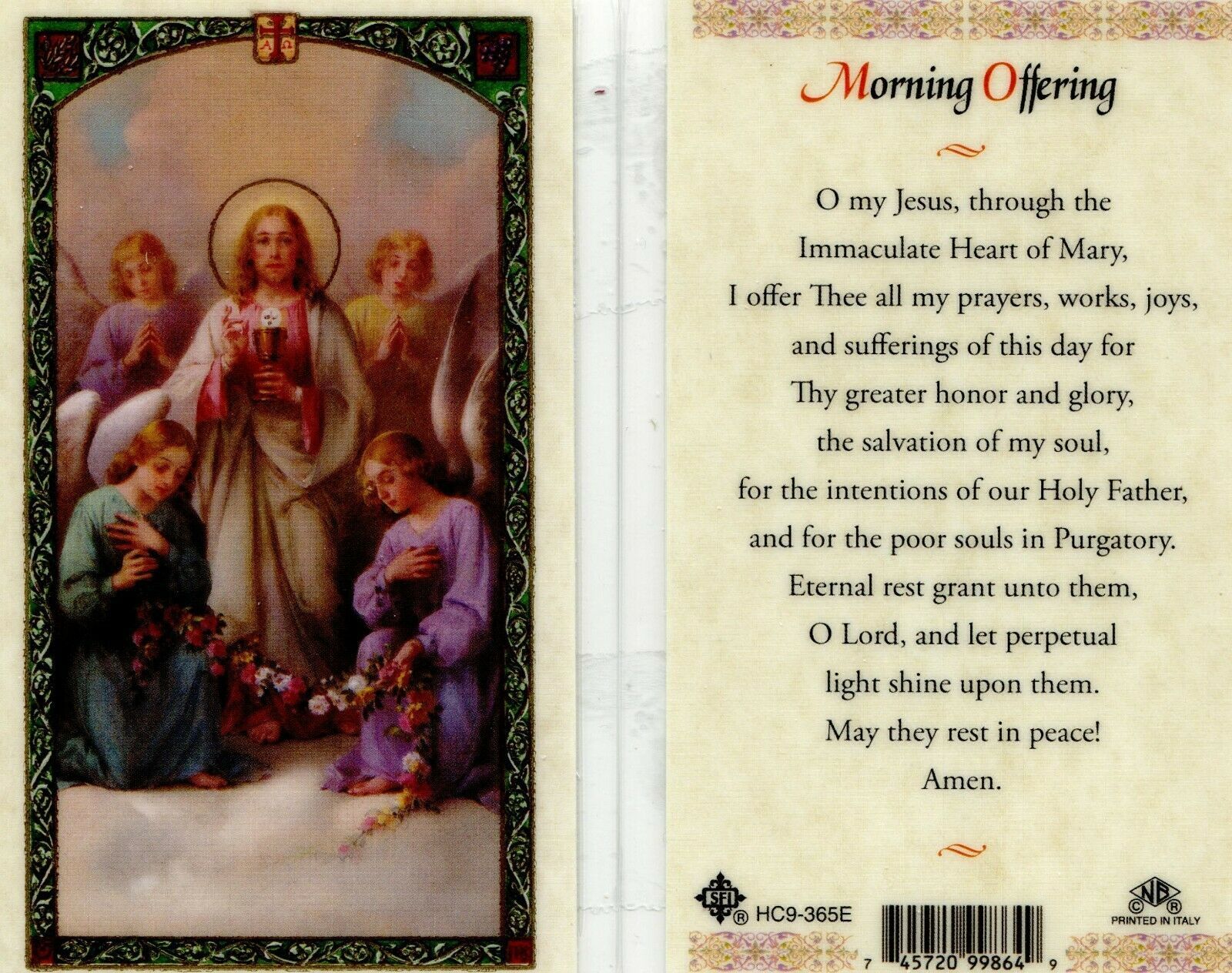
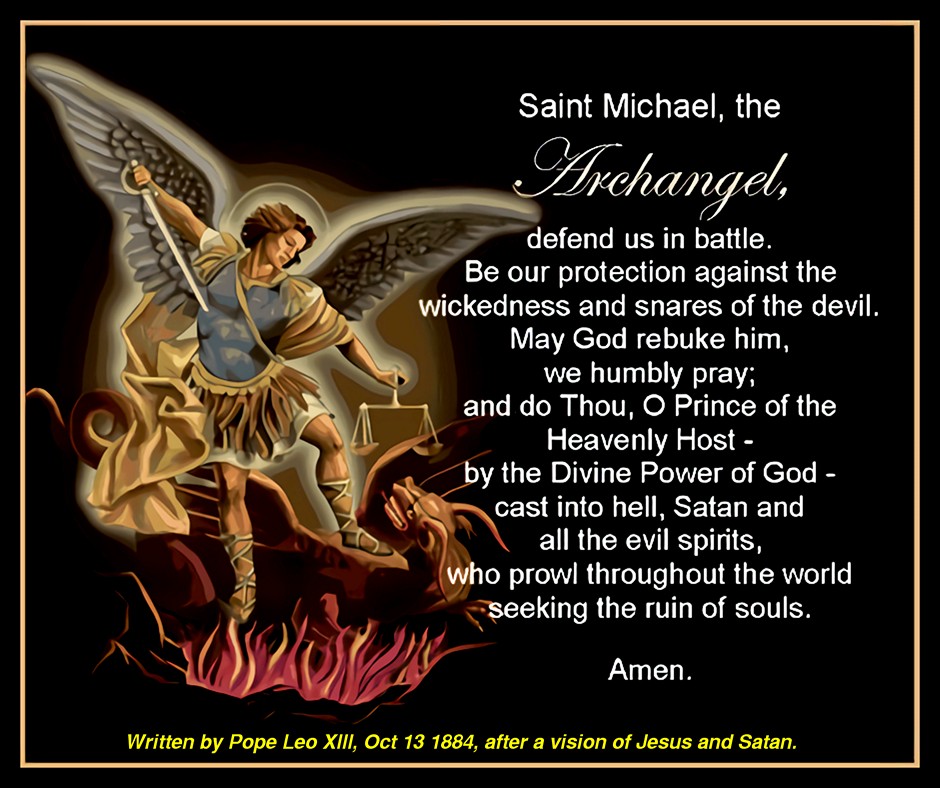
The Month of May is Dedicated to Devotion to Mary, the Mother of God.

“And when Elizabeth heard the greeting of Mary, the babe leaped in her womb; and Elizabeth was filled with the Holy Spirit and she exclaimed with a loud cry, “Blessed are you among women, and blessed is the fruit of your womb! And why is this granted me, that the Mother of my Lord should come to me?” (Luke 1:41-43)

Pope Leo XIV’s prayer intention for the month of May, 2026:
That everyone might have food
Let us pray that everyone, from large producers to small consumers, be committed to avoid wasting food, and to ensure that everyone has access to quality food.

Today’s First Reading
From: Exodus 34:4b-6, 8-9
The Covenant is Renewed
-----------------------
[4b] He (Moses) rose early in the morning and went up on Mount Sinai, as the LORD had commanded him, and took in his hand two tables of stone. [5] And the LORD descended in the cloud and stood with him there and proclaimed the name of the LORD.
God Appears
-----------
[6] The LORD passed before him, and proclaimed, "The LORD, the LORD, a God merciful and gracious, slow to anger, and abounding in steadfast love and faithfulness." [8] And Moses made haste to bow his head toward the earth, and worshiped. [9] And he said, "If now I have found favor in thy sight, O Lord, let the Lord, I pray thee, go in the midst of us, although it is a stiff-necked people; and pardon our iniquity and our sin, and take us for thy inheritance."
***********************************************************************
Commentary:
34:1-28. This chapter narrating the renewal of the Covenant follows the same pattern as the account of its original establishment (cf. Ex 19-24); but it is shorter, concentrating on the two main protagonists, God and Moses. Thus, it begins with the preparations for the theophany and for the encounter with the Lord (vv. 1-5); then follows the revelation of God, and Moses' prayer (vv. 6-9); and it ends with the renewal of the Covenant and the so-called Rite of the Covenant (vv. 10-28). The account hinges on the remaking of the tables of stone after the sin of the golden calf; the tables symbolize God's offer to keep to the pact and never to go back on it.
1-5. The theophany is described very soberly here, but it has exactly the same elements as given in chapter 19: very careful preparation by Moses (v. 2; cf 19:10-11); the people forbidden to approach the mountain (v. 3; of. 19:12-13); God appearing wrapped in the cloud (v. 5; of. 19:16-20).
Comparing the two accounts, this one says less about the transcendence of God and puts more stress on his closeness to Moses: "he stood with him there" (v. 5). God's initiative in drawing close to man is clear to see; it lies at the very basis of the Covenant.
"He proclaimed the name of the Lord" (v. 6); the context would suggest that it is Moses who proclaims the name of the Lord, but the Hebrew could indeed be as the RSV has it, "and he proclaimed his name, 'Lord' ". The same wording appears in v. 6 implying that it is the Lord who is "proclaiming", defining himself as he promised he would (cf. 33:19). The sacred writer may have intentionally left these words open to either interpretation; whether spoken by Moses or said directly by God, they are equal from the revelation point of view.
34:6-7. In response to Moses' pleading, the Lord makes himself manifest. The solemn repetition of the name of Yahweh (Lord) emphasizes that the Lord is introducing himself liturgically to the assembled Israelites. In the description of himself which follows (and which is repeated elsewhere, cf. 20:5-6; Num 14:18; Deut 5:9-18; etc.), two key attributes of God are underlined--justice and mercy. God cannot let sin go unpunished, nor does he; the prophets, too, will teach that sin is, first and foremost, something personal (cf. Jer 31:29; Ezek 18:2ff). But this ancient text refers only in a general way to the fact that God is just, and puts more stress on his mercy. A person who is conscious of his own sin has access to God only if he is sure that God can and will forgive him. "The concept of 'mercy' in the Old Testament," John Paul II comments, "has a long and rich history. We have to refer back to it in order that the mercy revealed by Christ may shine forth more clearly. [...] Sin too constitutes man's misery. The people of the Old Covenant experienced this misery from the time of the Exodus, when they set up the golden calf. The Lord himself triumphed over this act of breaking the covenant when he solemnly declared to Moses that he was a 'God merciful and gracious, slow to anger, and abounding in steadfast love and faithfulness' (Ex 34:6). It is in this central revelation that the chosen people, and each of its members, will find, every time that they have sinned, the strength and the motive for turning to the Lord to remind him of what he had exactly revealed about himself and to beseech his forgiveness" ("Dives In Misericordia", 4). On "God's jealousy", see the note on 20:5-6.
8-9. Moses once more implores the Lord on behalf of his people; he makes three requests, which sum up many earlier petitions: he begs God to stay with the people and protect them in their hazardous journeying in the desert (cf. 33:15-17), to forgive the very grave sin they have committed (cf. 32:11-14), and finally to make them his own property, thereby distinguishing them from all other peoples (cf. 33:16) and restoring them to their status as "his own possession" (cf. 19:5). These three requests are ones that were constantly on the lips of the people of Israel and in the hearts of everyone who acknowledges God (cf. Ps 86:1-15; 103:8-10; etc.).
From: 2 Corinthians 13: 11-14
Epilogue
--------
[11] Finally, brethren, farewell. Mend your ways, heed my appeal, agree with one another, live in peace, and the God of love and peace will be with you. [12] Greet one another with a holy kiss. [13] All the saints greet you. [14] The grace of the Lord Jesus Christ and the love of God and the fellowship of the Holy Spirit be with you all.
***********************************************************************
Commentary:
11. In his words of farewell, the Apostle once more shows his great affection for the faithful of Corinth, exhorting them to practise the fraternity proper to Christians and thus live in concord and peace (cf. I Cor 1:10-17). And, St John Chrysostom comments, he tells them what this will lead to: "Live in peace, and the God of love and peace will be with you, for God is a God of love and a God of peace, and in these he takes his delight. It is love that will give you peace and remove every evil from your church" ("Hom. on 2 Cor", 30).
St Paul's call to the faithful to be cheerful is particularly significant--"gaudete"(rejoice) in the New Vulgate--contains a message he repeats on other occasions: "Rejoice in the Lord always; again I will say, Rejoice" (Phil 4:4; cf. 3:1). Joy is something very characteristic of Christians because their awareness of being children of God tells them that they are in the hands of God, who knows everything and can do everything (cf. note on 5:10). Therefore, we should never be sad; on the contrary: we should go out into the world, Monsignor Escriva says, "to be sowers of peace and joy through everything we say and do" ("Christ Is Passing By", 168).
12. On the "holy kiss", see the note on 1 Cor 16:20.
"The saints" who send greetings to the Corinthians are the Christians of Macedonia, from where St Paul is writing. Regarding this description of Christians, see the note on 1 Cor 1:2.
[Note on 1 Cor 1:2. "Called to be saints": through faith and Baptism "all Christians in any state or walk of life are called to the fullness of Christian life and to the perfection of love" (Vatican II, "Lumen Gentium", 40).
"Those who in every place call on the name of our Lord Jesus Christ": this circumlocution describes Christian believers (cf. Acts 9:14, 21; 22:16; Rom 10:12); what makes them different from others is that they worship Jesus Christ as Lord and God, in the same way as the faithful of the Old Covenant invoked the name of Yahweh. To be a member of the Church of God, therefore, it is essential that a person believe that Christ is God. "We believe in our Lord Jesus Christ, who is the Son of God. He is the eternal Word of the Father before time began, one in substance with the Father, "homoousios to Patri", through whom all things were made. He was incarnate of the Virgin Mary by the power of the Holy Spirit and was made man. 'Equal, therefore, to the Father according to his divinity, less than the Father according to his humanity, his unity deriving not from some impossible confusion of substance but from his Person"' (Paul Vl, "Creed of the People of God", 11).]
From: John 3:16-18
The Visit of Nicodemus (Continuation)
-------------------------------------
(Jesus said to Nicodemus,) [16] "For God so loved the world that He gave His only Son, that whoever believes in Him should not perish but have eternal life. [17] For God sent the Son into the world, not to condemn the world, but that the world might be saved through Him. [18] He who believes in Him is not condemned; He who does not believe is condemned already, because He had not believed in the name of the only Son of God.
[19] And this is the judgment, that the light has come into world, and men loved darkness rather than light, because their deeds were evil. [20] For every one who does evil hates the light, and does not come to the light, lest his deeds should be exposed. [21] But he who does what is true comes to the light, that it may be clearly seen that his deeds have been wrought in God."
***********************************************************************
Commentary:
16-21. These words, so charged with meaning, summarize how Christ's death is the supreme sign of God's love for men (cf. the section on charity in the "Introduction to the Gospel according to John": pp. 31ff above). "`For God so loved the world that He gave His only Son' for its salvation. All our religion is a revelation of God's kindness, mercy and love for us. `God is love' (1 John 4:16), that is, love poured forth unsparingly. All is summed up in this supreme truth, which explains and illuminates everything. The story of Jesus must be seen in this light. `(He) loved me', St. Paul writes. Each of us can and must repeat it for himself--`He loved me, and gave Himself for me' (Galatians 2:20)" (Pope Paul VI, "Homily on Corpus Christi", 13 June 1976).
Christ's self-surrender is a pressing call to respond to His great love for us: "If it is true that God has created us, that He has redeemed us, that He loves us so much that He has given up His only-begotten Son for us (John 3:16), that He waits for us--every day!--as eagerly as the father of the prodigal son did (cf. Luke 15:11-32), how can we doubt that He wants us to respond to Him with all our love? The strange thing would be not to talk to God, to draw away and forget Him, and busy ourselves in activities which are closed to the constant promptings of His grace" (St. J. Escriva, "Friends of God", 251).
"Man cannot live without love. He remains a being that is incomprehensible for himself, his life is senseless, if love is not revealed to him, if he does not encounter love, if he does not experience it and make it his own, if he does not participate intimately in it. This [...] is why Christ the Redeemer `fully reveals man to himself'. If we may use the expression, this is the human dimension of the mystery of the Redemption. In this dimension man finds again the greatness, dignity and value that belong to his humanity...The one who wishes to understand himself thoroughly [...] must, with his unrest and uncertainty and even his weakness and sinfulness, with his life and death, draw near to Christ. He must, so to speak, enter into Him with all his own self, he must `appropriate' and assimilate the whole of the reality of the Incarnation and Redemption in order to find himself. If this profound process takes place within him, he then bears fruit not only of adoration of God but also of deep wonder at himself.
How precious must man be in the eyes of the Creator, if he `gained so great a Redeemer', ("Roman Missal, Exultet" at Easter Vigil), and if God `gave His only Son' in order that man `should not perish but have eternal life'. [...]
`Increasingly contemplating the whole of Christ's mystery, the Church knows with all the certainty of faith that the Redemption that took place through the Cross has definitively restored his dignity to man and given back meaning to his life in the world, a meaning that was lost to a considerable extent because of sin. And for that reason, the Redemption was accomplished in the paschal mystery, leading through the Cross and death to Resurrection" (St.Pope John Paul II, "Redemptor Hominis", 10).
Jesus demands that we have faith in Him as a first prerequisite to sharing in His love. Faith brings us out of darkness into the light, and sets us on the road to salvation. "He who does not believe is condemned already" (verse 18).
"The words of Christ are at once words of judgment and grace, of life and death. For it is only by putting to death that which is old that we can come to newness of life. Now, although this refers primarily to people, it is also true of various worldly goods which bear the mark both of man's sin and the blessing of God…No one is freed from sin by himself or by his own efforts, no one is raised above himself or completely delivered from his own weakness, solitude or slavery; all have need of Christ, who is the model, master, liberator, savior, and giver of life. Even in the secular history of mankind the Gospel has acted as a leaven in the interests of liberty and progress, and it always offers itself as a leaven with regard to brotherhood, unity and peace" (Vatican II, "Ad Gentes", 8).
Disclaimer: Opinions posted on Free Republic are those of the individual posters and do not necessarily represent the opinion of Free Republic or its management. All materials posted herein are protected by copyright law and the exemption for fair use of copyrighted works.


