
Posted on 05/28/2026 9:00:03 AM PDT by fidelis
As Jesus was leaving Jericho with his disciples and a sizable crowd, Bartimaeus, a blind man, the son of Timaeus, sat by the roadside begging. On hearing that it was Jesus of Nazareth, he began to cry out and say, “Jesus, son of David, have pity on me.” And many rebuked him, telling him to be silent. But he kept calling out all the more, “Son of David, have pity on me.” Mark 10:46–48
Though the Torah commanded kindness and justice toward the blind, they were often treated poorly by the wider community. Unable to work or provide for themselves, the blind were typically reduced to begging. They also bore the stigma of being seen as suffering God’s judgment, whether for their own sins or the sins of their parents. While today’s story about Bartimaeus vividly illustrates the pitiful social and economic position of the blind at that time, it even more powerfully presents him as an ideal model to imitate...
Bartimaeus is not only a model of the humility we need; he is also a model of faith and prayer. In his humility, as soon as he heard that Jesus of Nazareth was passing by, he cried out in a twofold way. First, he called Jesus the “Son of David.” This was a profession of faith in Jesus as the Messiah. “Son of David” was a messianic title rooted in Nathan’s prophecy, in which God promised King David that his descendant would establish an everlasting kingdom (cf. 2 Samuel 7:12–16). By calling Jesus the “Son of David,” Bartimaeus professed his belief that Jesus was the fulfillment of that prophecy.
With his profession of faith, Bartimaeus also prayed the ideal prayer: “Have pity on me.” The word “pity” is a translation of the Greek eleison, which is also rendered as “have mercy.” For example, at Mass, we pray in Greek, “Kyrie eleison,” or “Lord, have mercy.” This prayer is ideal because every gift from God is an act of mercy. We do not earn or deserve His grace; it is a freely bestowed gift, and our prayer should reflect this profound truth. As Bartimaeus prayed, many people told him to be silent. Despite their rebukes, Bartimaeus intensified his prayer, “calling out all the more.” This persistence serves as another model for the ideals of prayer. The “many” who rebuked him and tried to silence him symbolize the numerous obstacles we face in our pursuit of God’s mercy.
Though the greatest obstacles we face are our own sins, which discourage us from approaching God in prayer, we also encounter challenges in the form of temptations. These temptations, like the “many” who sought to silence Bartimaeus, try to lead us away from prayer. They urge us to give up, doubt God’s care for us, or remain complacent in our spiritual lives. Bartimaeus’ response—to pray even louder and more fervently—teaches us the importance of perseverance in prayer, even in the face of discouragement or opposition.
Reflect today on this poor blind man, Bartimaeus, sitting on the roadside. With him, profess your faith in Jesus as the Messiah and cry out for mercy. When sin hinders you, have the courage to admit it, confess it, and plead for forgiveness. When temptations try to silence you, resist them and cry out all the louder. In the end, Jesus called Bartimaeus to Himself and healed him. Jesus desires to do the same for us. He will, if we humbly identify with Bartimaeus, see ourselves in his condition, and imitate his unwavering faith and persistent prayer.
Jesus, Son of David, have mercy on me! With Bartimaeus, I profess my belief in You as the Messiah, the Savior of the world. With him, I also plead for Your mercy in my life and in the world around me. You alone are the source of all grace and mercy, and though I am unworthy, You freely bestow it upon the humble. Lord, I want to see. Open the eyes of my heart and grant me the reward of Your mercy. Jesus, I trust in You.
Please keep in mind that this is a Catholic Caucus/Devotional thread for the purpose of prayerful reflection on the Sacred Scriptures and is closed to debate of any kind. Per FR policy on Religion Caucus threads, off-topic, argumentative, and abusive comments are not allowed and will be submitted to the Mods for deletion. Thanks, and God bless you.
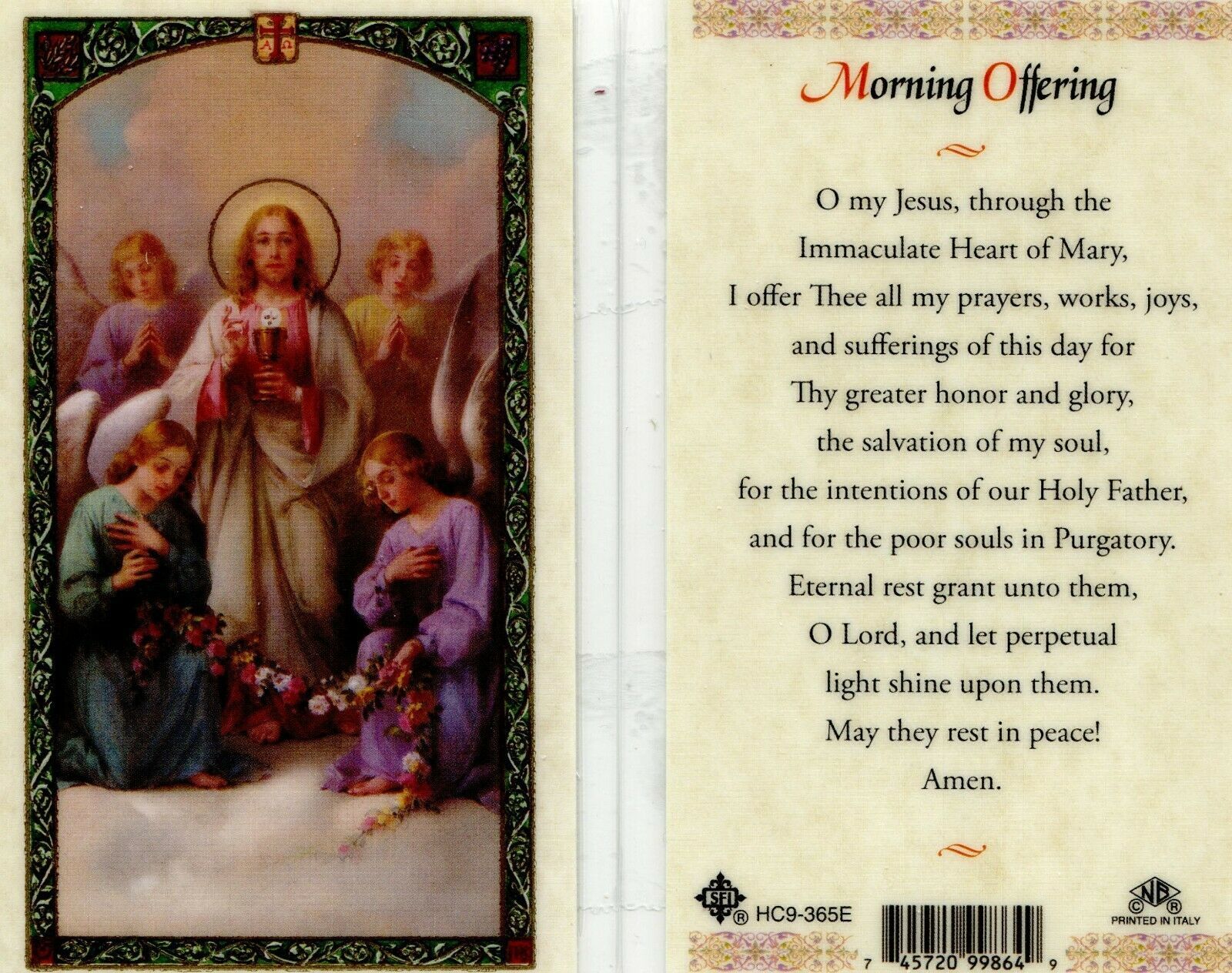
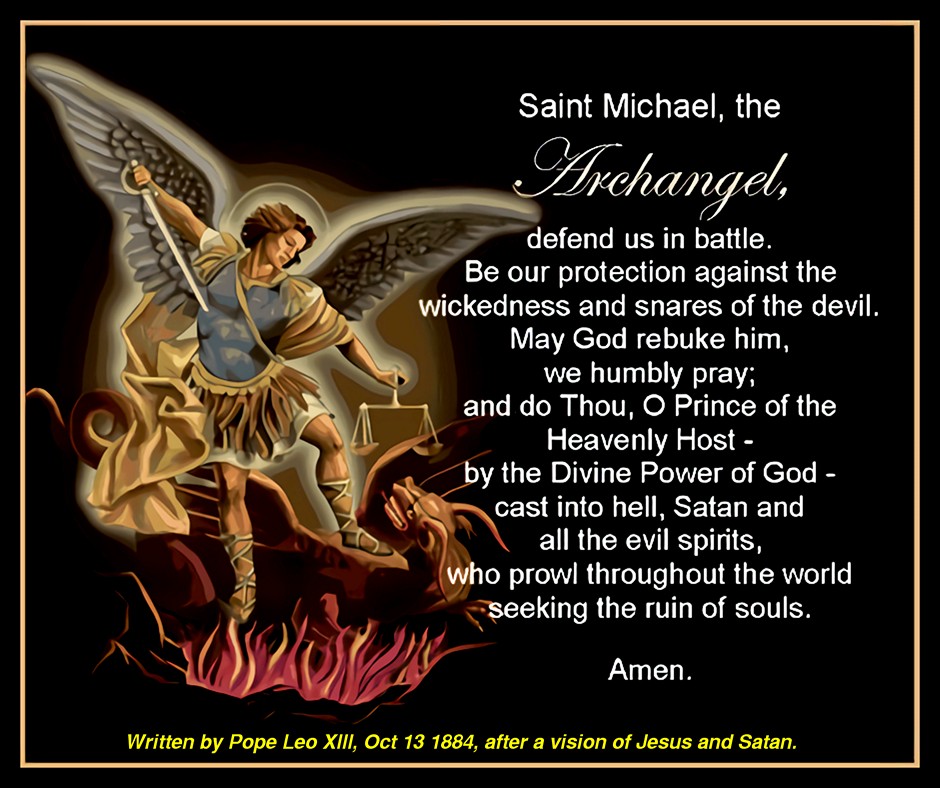
The Month of May is Dedicated to Devotion to Mary, the Mother of God.

“And when Elizabeth heard the greeting of Mary, the babe leaped in her womb; and Elizabeth was filled with the Holy Spirit and she exclaimed with a loud cry, “Blessed are you among women, and blessed is the fruit of your womb! And why is this granted me, that the Mother of my Lord should come to me?” (Luke 1:41-43)

Pope Leo XIV’s prayer intention for the month of May, 2026:
That everyone might have food
Let us pray that everyone, from large producers to small consumers, be committed to avoid wasting food, and to ensure that everyone has access to quality food.

Today’s First Reading
From: 1 Peter 2:2-5, 9-12
The Priesthood Common to All Believers
--------------------------------------
[2] Like newborn babes, long for the pure spiritual milk, that by it you may grow up to salvation; [3] for you have tasted the kindness of the Lord. [4] Come to him, to that living stone, rejected by men but in God’s sight chosen and precious; [5] and like living stones be yourselves built into a spiritual house, to be a holy priesthood, to offer spiritual sacrifices acceptable to God through Jesus Christ.
[9] But you are a chosen race, a royal priesthood, a holy nation, God's own people, that you may declare the wonderful deeds of Him who called you out of darkness into His marvelous light. [10] Once you were no people but now you are God’s people; once you had not received mercy but now you have received mercy. Live as Servants of God [11] Beloved, I beseech you as aliens and exiles to abstain from the passions of the flesh that wage war against your soul. [12] Maintain good conduct among the Gentiles, so that in case they speak against you as wrongdoers, they may see your good deeds and glorify God on the day of visitation.
***********************************************************************
Commentary:
4-10. Baptism makes us members of the Church. The sacred writer uses the idea of constructing a building (verses 4-8) to explain that Christians together go to make up the one, true people of God (verses 9-19). The whole passage is built on quotations from the Old Testament, possibly ones used in early apostolic catechesis.
The Church is like a spiritual building of which Christ is the cornerstone, that is, the stone which supports the entire structure (cf. "Lumen Gentium", 6). Christians have to be living stones united to Christ by faith and grace, thereby forming a solid temple in which "spiritual sacrifices" are offered which are "acceptable to God" (verse 5). The closer their union with Christ, the stronger the building: "All of us who believe in Christ Jesus", Origen explains, "are called 'living stones' [...]. For if you, who are listening to me, want to prepare yourself better for the construction of this building, and be one of the stones closest to the foundation, you need to realize that Christ Himself is the foundation of the building we are describing. As the Apostle Paul tells us, 'no other foundation can anyone lay than that which is laid, which is Jesus Christ' (1 Corinthians 3:11)" ("In Iesu Nave", 9, 1).
9-10. In contrast with those who reject faith (verses 7-8), believers form the true Israel, the true people of God. In this people the titles applied to Israel in the Old Testament find their full meaning: they are "a chosen race" (cf. Exodus 19:5-6), a people convoked by God to sing His praises (cf. Isaiah 43:20-21). Their election is something Christians should glory in; it makes demands on them: Christians are set apart for God, they belong to Him (cf. 1 Corinthians 6:19), for the blood of Christ has been paid as their ransom (cf. 1 Peter 1:18-21). So, they must not remain passive; they have to preach the greatness of God and bring many other souls to Him: "the Good News of the Kingdom which is coming and which has begun is meant", says Pope Paul VI, "for all people of all times. Those who have received the Good News and who have been gathered by it into the community of salvation can and must communicate and spread it" ("Evangelii Nuntiandi", 13).
In this people there is only one priest, Jesus Christ, and one sacrifice, that which He offered on the cross and which is renewed in the Mass. But all Christians, through the sacraments of Baptism and Confirmation, obtain a share in the priesthood of Christ and are thereby equipped to mediate in a priestly way between God and man and to take an active part in divine worship; by so doing they can turn all their actions into "spiritual sacrifices acceptable to God" (1 Peter 2:5). Theirs is a true priesthood, although it is essentially different from the ministerial priesthood for those who receive the sacrament of Order: "Though they differ essentially and not only in degree, the common priesthood of the faithful and the ministerial or hierarchical priesthood are nonetheless ordered one to another; each in its own proper way shares in the one priesthood of Christ. The ministerial priest, by the sacred power that he has, forms and rules the priestly people; in the person of Christ he effects the eucharistic sacrifice and offers it to God in the name of all the people. The faithful indeed, by virtue of their royal priesthood, participate in the offering of the Eucharist. They exercise that priesthood, too, by the reception of the Sacraments, prayer and thanksgiving, the witness of a holy life, abnegation and active charity" (Vatican II, "Lumen Gentium", 10: cf. "Prebyterorum Ordinis", 2).
And the same Council says, apropos of those "spiritual sacrifices" (verse 5) by which Christians sanctify the world from within, that "all their works, prayers and apostolic undertakings, family and married life, daily work, relaxation of mind and body, if they are accomplished in the Spirit--indeed even the hardships of life if patiently borne--all these become spiritual sacrifices acceptable to God through Jesus Christ. In the celebration of the Eucharist these may most frequently be offered to the Father along with the body of our Lord. And so, worshipping everywhere by their holy actions, the laity consecrate the world itself to God" ("Lumen Gentium", 34).
10. A passage from the Book of Hosea is applied to the faithful: Yahweh tells the prophet to name two of his children “Not pitied” and “Not my people” (Hos 1:6, 8), to symbolize the unfaithfulness of the people of Israel, for which they deserved to be rejected by God. However, a little further on (Hos 2:22f), when he speaks of the new covenant he is thinking of making, Yahweh says, “I will have pity on Not pitied, and I will say to Not my people, ‘You are my people’; and he shall say, ‘Thou art my God’”. St. Peter indicates that this prophecy has found it’s fulfillment in the Church, the new people of God.
“Christ instituted this new covenant, the new testament, that is to say, in His Blood, calling together a people made up of Jew and gentile, making them one, not according to the flesh but in the Spirit. This was to be the new People of God. For those who believe in Christ, who are reborn not from a perishable but from an imperishable seed through the word of the living God, not from the flesh but from water and the Holy Spirit, are finally established as "a chosen race, a royal priesthood, a holy nation, a purchased people . . . who in times past were not a people, but are now the people of God" (“Lumen Gentium,” 9)
2:11—3:12. After outlining the fact that their vocation requires Christians to be holy, the Apostle goes on to describe how their conduct will attract Gentiles to the faith (2:11-12)—exemplary behavior in social and civic life, obeying lawful authority (vv. 13-17); obedience of servants to masters (vv. 18-25); and mutual respect between husband and wife (3:17). Finally, he encourages all to practice fraternal charity (3:8-12).
11-12. The letter contains many appeals to Christians to stay true to the faith, even when pagans criticize them (2:12), cause them to suffer (3:13-15), or insult them for following Christ (4:14). Some authors, reading these remarks as referring to state persecution unleashed by Roman emperors—especially Domitian (d. 96) and Trajan (d. 117)—give the letter a much later date, even a second-century date; but all the information available to us favours a much earlier date, around the year 64 (cf. Introduction). St Peter seems to be referring rather to the trials the faithful meet at the hands of their fellow-citizens. At that time Christians often encountered misunderstanding, rejection, and discrimination, and even the loss of property (cf., e.g., Acts 19:23-31; 2 Thessalonians 2:14).
This context explains why the Apostle encourages these recent converts (he once again reminds them they are wayfarers: cf. 1:1, 17) to lead exemplary lives so that those among them whom they live, although they may initially misunderstand their conduct, will end up glorifying God: “Let your light so shine before men, that they see your good works and give glory to your Father who is in heaven” (Mt 5:16). Good example is enormously effective in drawing souls closer to God. St. John Chrysostom exhorted his flock in this way: “There would be no need for preach if our life were a beacon of virtues—no call for words if we had deeds to show. There would be no pagans if we were truly Christians—if we kept Jesus Christ’s commandments, if we put up with unjust treatment and deception, if we blessed those who cursed us, if we returned good for evil. No one would be such a monster not to embrace the true religion immediately if we really lived like that (“Hom. On 1 Tim,” 10).
In addition to being mindful of exterior difficulties, St. Peter does not forget that the greatest danger lies in personal evil inclinations which “wage war against your soul” (v. 11). Constant effort is called for if one is to control one’s passions and overcome temptation (e.g., Mt 10:38-39; 1 Cor 9:24-27; 1 Tim 6:12): “There are people who want to be humble,” St. Gregory the Great teaches, “but without being despised; who want to be content with their lot, provided they have all they need; to be chaste, but without mortifying their body; to be patient, provided no one offends them. When they try to acquire virtues but avoid the effort which virtues involve, it is as if, with no experience of combat on the battlefield, they want to win the war without moving from the city” (“Moralia,” 7, 28).
“The day of visitation”: this may refer to the time when the Lord will come to glory at the end of the world; but from the context it seems, rather, to his coming to the hearts of the Gentiles through the grace of conversion (cf. Lk 19:44).
From: Mark 10:46-52
The Blind Man of Jericho
------------------------
[46] And they (Jesus and His disciples) came to Jericho; and as He was leaving Jericho with His disciples and a great multitude, Bartimaeus, a blind beggar, the son of Timaeus, was sitting by the roadside. [47] And when he heard that it was Jesus of Nazareth, he began to cry out and say, "Jesus, Son of David, have mercy on me!: [48] And many rebuked him, telling him to be silent; but he cried out all the more, "Son of David, have mercy on me!" [49] And Jesus stopped and said, "Call him." And they called the blind man, saying to him, "Take heart; rise, He is calling you." [50] And throwing off his mantle he sprang up and came to Jesus. [51] And Jesus said to him, "What do you want Me to do for you?" And the blind man said to Him, "Master, let me receive my sight." [52] And Jesus said to him, "Go your way; your faith has made you well." And immediately he received his sight and followed him on the way.
***********************************************************************
Commentary:
46-52. "Hearing the commotion the crowd was making, the blind man asks, `What is happening?' They told him, `It is Jesus of Nazareth.' At this his soul was so fired with faith in Christ that he cried out, `Jesus, Son of David, have mercy on me!'
"Don't you feel the same urge to cry out? You who are also waiting at the side of the way, of this highway of life that is so very short? You who need more light, you who need more grace to make up your mind to seek holiness? Don't you feel an urgent need to cry out, `Jesus, Son of David, have mercy on me'? What a beautiful aspiration for you to repeat again and again!...
"`Many rebuked him, telling him to be silent.' As people have done to you, when you sensed that Jesus was passing your way. Your heart beat faster and you too began to cry out, prompted by an intimate longing. Then your friends, the need to do the done thing, the easy life, your surroundings, all conspired to tell you: `Keep quiet, don't cry out. Who are you to be calling Jesus? Don't bother Him.'
"But poor Bartimaeus would not listen to them. He cried out all the more: `Son of David, have mercy on me.' Our Lord, who had heard him right from the beginning, let him persevere in his prayer. He does the same with you. Jesus hears our cries from the very first, but he waits. He wants us to be convinced that we need Him. He wants us to beseech Him, to persist, like the blind man waiting by the road from Jericho. `Let us imitate him. Even if God does not immediately give us what we ask, even if many people try to put us off our prayers, let us still go on praying' (St. John Chrysostom, "Hom. on St. Matthew", 66).
"`And Jesus stopped, and told them to call Him.' Some of the better people in the crowd turned to the blind man and said, `Take heart; rise, He is calling you.' Here you have the Christian vocation! But God does not call only once. Bear in mind that our Lord is seeking us at every moment: get up, He tells us, put aside your indolence, your easy life, your petty selfishness, your silly little problems. Get up from the ground, where you are lying prostrate and shapeless. Acquire height, weight and volume, and a supernatural outlook.
"And throwing off his mantle the man sprang up and came to Jesus. He threw off his mantle! I don't know if you have ever lived through a war, but many years ago I had occasion to visit a battlefield shortly after an engagement. There strewn all over the ground, were greatcoats, water bottles, haversacks stuffed with family souvenirs, letters, photographs of loved ones...which belonged, moreover, not to the vanquished but to the victors! All these items had become superfluous in the bid to race forward and leap over the enemy defenses. Just as happened to Bartimaeus, as he raced towards Christ.
"Never forget that Christ cannot be reached without sacrifice. We have to get rid of everything that gets in the way--greatcoat, haversack, water bottle. You have to do the same in this battle for the glory of God, in this struggle of love and peace by which we are trying to spread Christ's Kingdom. In order to serve the Church, the Pope and all souls, you must be ready to give up everything superfluous....
"And now begins a dialogue with God, a marvelous dialogue that moves us and sets our hearts on fire, for you and I are now Bartimaeus. Christ, who is God, begins to speak and asks, `Quid tibi vis faciam?' `What do you want Me to do for you?' The blind man answers. `Lord, that I may see.' How utterly logical! How about yourself, can you really see? Haven't you too experienced at times what happened to the blind man of Jericho? I can never forget how, when meditating on this passage many years back, and realizing that Jesus was expecting something of me, though I myself did not know what it was, I made up my own aspirations: `Lord, what is it You want! What are You asking of me'? I had a feeling that He wanted me to take on something new and the cry, `Rabboni, ut videam', `Master, that I may see,' moved me to beseech Christ again and again, `Lord, whatever it is that You wish, let it be done.'
"Pray with me now to our Lord: `doce me facere voluntatem tuam, quia Deus meus es tu" (Psalm 142:10) (`teach me to do Thy will, for You art my God'). In short, our lips should express a true desire on our part to correspond effectively to our Creator's promptings, striving to follow out His plans with unshakeable faith, being fully convinced that He cannot fail us....
"But let us go back to the scene outside Jericho. It is now to you that Christ is speaking. He asks you, `What do you want Me to do for you?' `Master, let me receive my sight.' Then Jesus answers, `Go your way. Your faith has made you well.' And immediately he received his sight and followed Him on His way." Following Jesus on His way. You have understood what our Lord was asking to from you and you have decided to accompany Him on His way. You are trying to walk in His footsteps, to clothe yourself in Christ's clothing, to be Christ Himself: well, your faith, your faith in the light our Lord is giving you, must be both operative and full of sacrifice. Don't fool yourself. Don't think you are going to find new ways. The faith He demands of us is as I have said. We must keep in step with Him, working generously and at the same time uprooting and getting rid of everything that gets in the way" (St J. Escriva, "Friends of God", 195-198).
Disclaimer: Opinions posted on Free Republic are those of the individual posters and do not necessarily represent the opinion of Free Republic or its management. All materials posted herein are protected by copyright law and the exemption for fair use of copyrighted works.

