
Posted on 05/21/2026 10:09:22 PM PDT by fidelis
After Jesus had revealed himself to his disciples and eaten breakfast with them, he said to Simon Peter, “Simon, son of John, do you love me more than these?” Simon Peter answered him, “Yes, Lord, you know that I love you.” Jesus said to him, “Feed my lambs.” He then said to Simon Peter a second time…” John 21:15–16
Today’s resurrection appearance is the third time Jesus appeared to His disciples, as recorded in John’s Gospel. It took place while seven of the Apostles were fishing. Following a miraculous catch of fish, they recognized Jesus on the shore. After they went to Him, Jesus cooked breakfast and asked Peter three times if he loved Him.
The first time Jesus asked Peter if he loved Him, Jesus used the verb agapáō (from the noun agápē), but Peter responded with the verb philéō: “‘Simon, son of John, do you agapáō Me more than these?’” Simon Peter answered Him, “‘Yes, Lord, You know that I philéō You.’” The word agapáō refers to a deeper form of love—a self-sacrificial, total commitment that reflects the love of God for humanity... While sincere, it is less intense and self-sacrificial than agápē love.
The second time Jesus asks the question, He again uses agapáō, and Peter again responds with philéō. The third time, Jesus shifts His question to match Peter’s response, using philéō: “Simon, son of John, do you philéō Me?” Peter responds again with philéō: “Lord, You know everything; You know that I philéō You.”
This shift to philéō in the third question shows that Jesus meets Peter where he is, acknowledging Peter’s limitations and his current ability to love with a more affectionate, rather than sacrificial, love. This exchange also highlights Peter’s awareness of his weakness and his humility in acknowledging that he cannot yet love with the full depth of agápē to which Jesus is calling him.
At the end of the conversation, Jesus states: “Amen, amen, I say to you, when you were younger, you used to dress yourself and go where you wanted; but when you grow old, you will stretch out your hands, and someone else will dress you and lead you where you do not want to go” (John 21:18). Jesus was not only prophesying that Peter would die as a martyr, but also that through his martyrdom...it would be the ultimate expression of the sacrificial agápē love to which Jesus had called him. This promise to Peter would have given him hope for the future, even as he faced the challenge of his calling.
Despite Peter’s weakness and inability to express agápē, Jesus not only meets Peter where he is but also gives him a threefold mission of divine importance. He says, “Feed My lambs…tend My sheep…feed My sheep.” While these commands might seem similar, they differ in their emphasis... Though Peter was imperfect, struggling with guilt and discouragement over his inability to express the depth of love Jesus was asking of him, Jesus still entrusted him with a divinely inspired mission.
Reflect today on God’s invitation to you to love Him and fulfill His mission. Though we are each imperfect and fail in many ways, Jesus continuously asks us for agápē love. Though we struggle to live that depth of love, God, in His mercy, does not wait until we are perfect to send us forth to be His instruments. He wants us to nourish those with little to no faith, strengthen and encourage our brothers and sisters who are stronger in faith, and nourish them by becoming instruments of His pure love. The extent to which we embrace agápē is the extent to which we will be able to fulfill that mission well. But we start today by responding the best we can because Jesus meets us and uses us where we are, while calling us higher.
Most loving Lord, Your love for me is perfect, yet mine is imperfect. Please give me hope and draw me ever closer each day to the pure agápē love to which I am called. As I grow in this love, please use me as I am to fulfill the mission You have entrusted to me. Jesus, I trust in You.
Please keep in mind that this is a Catholic Caucus/Devotional thread for the purpose of prayerful reflection on the Sacred Scriptures and is closed to debate of any kind. Per FR policy on Religion Caucus threads, off-topic, argumentative, and abusive comments are not allowed and will be submitted to the Mods for deletion. Thanks, and God bless you.
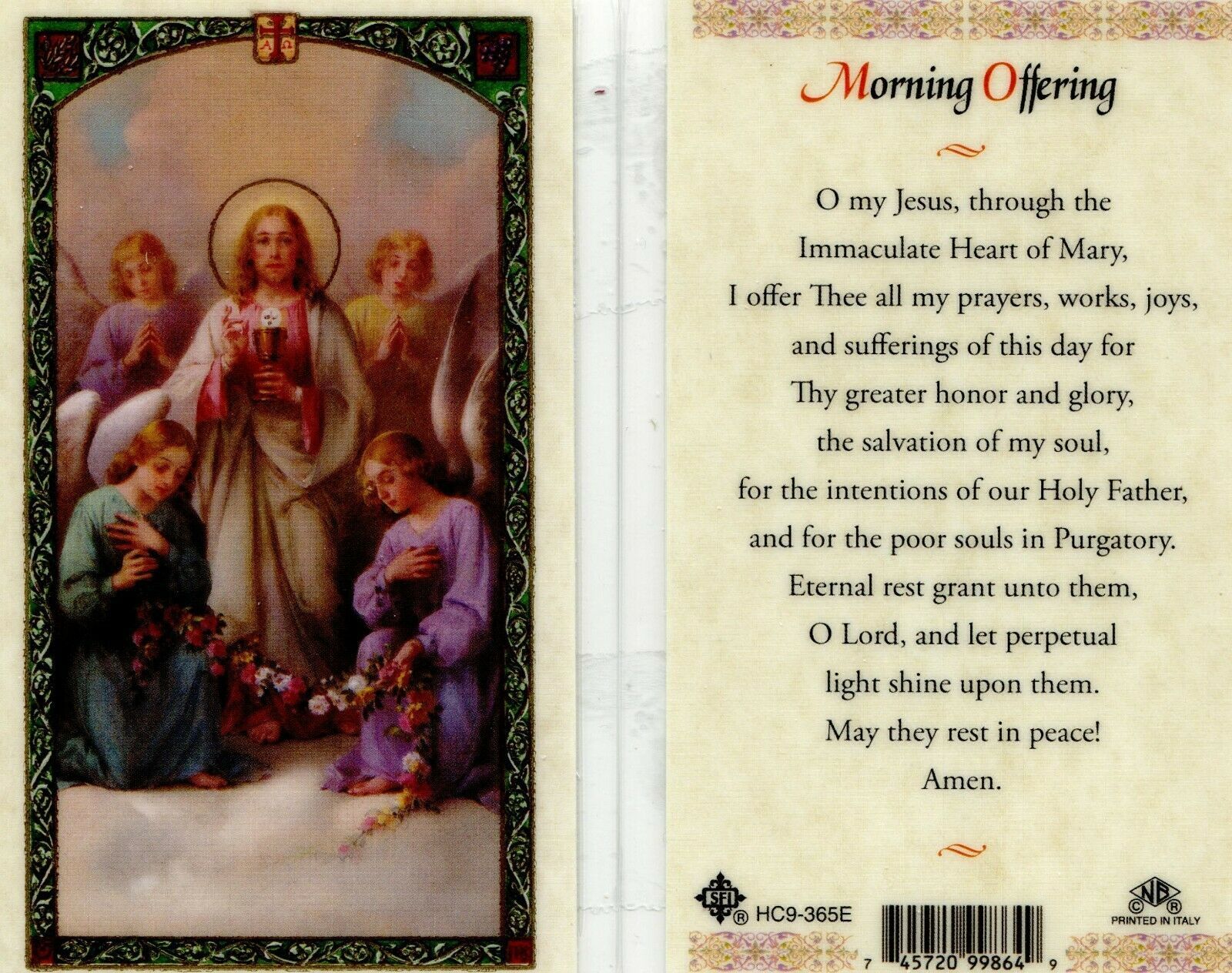
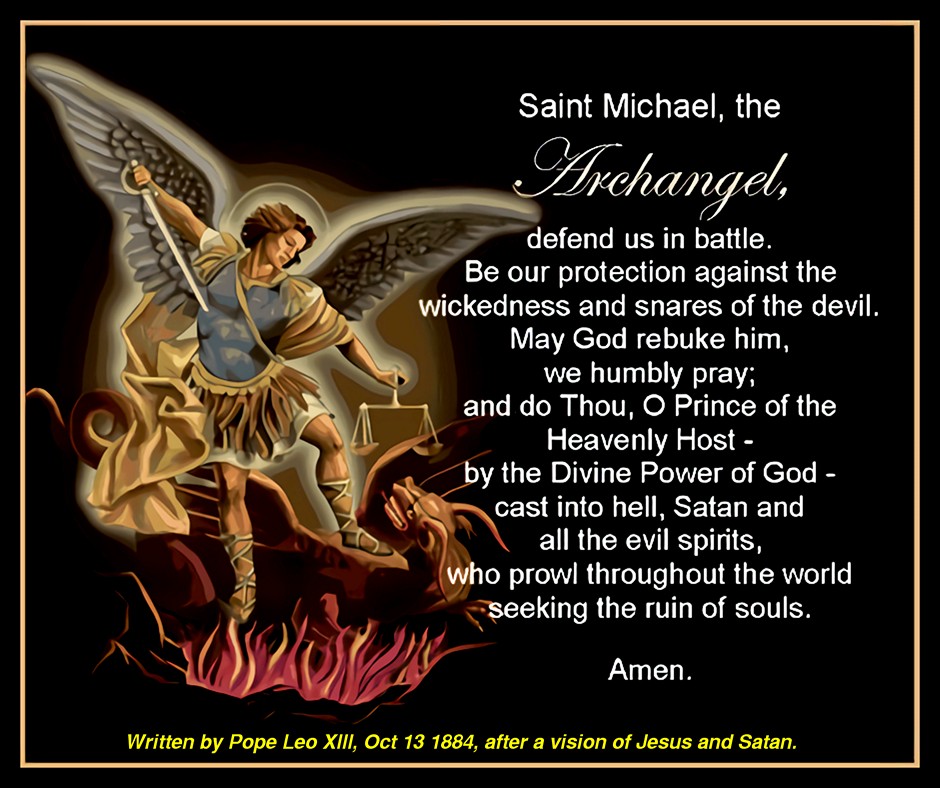
The Month of May is Dedicated to Devotion to Mary, the Mother of God.

“And when Elizabeth heard the greeting of Mary, the babe leaped in her womb; and Elizabeth was filled with the Holy Spirit and she exclaimed with a loud cry, “Blessed are you among women, and blessed is the fruit of your womb! And why is this granted me, that the Mother of my Lord should come to me?” (Luke 1:41-43)

Pope Leo XIV’s prayer intention for the month of May, 2026:
That everyone might have food
Let us pray that everyone, from large producers to small consumers, be committed to avoid wasting food, and to ensure that everyone has access to quality food.

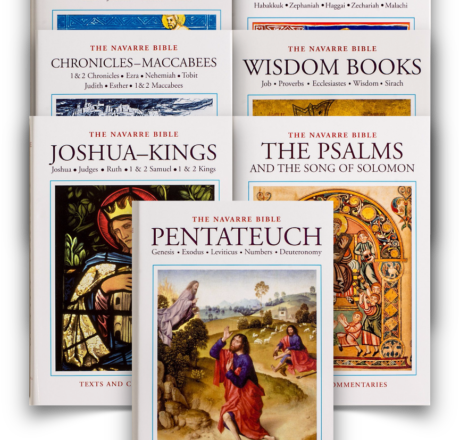
Today’s First Reading
From: Acts 25:13b-21
Festus Briefs Agrippa
---------------------
[13] Agrippa the king and Bernice arrived at Caesarea to welcome Festus. [14] And as they stayed there many days, Festus laid Paul's case before the king, saying, "There is a man left prisoner by Felix; [15] and when I was at Jerusalem, the chief priests and the elders of the Jews gave information about him, asking for sentence against him. [16] I answered them that it was not the custom of the Romans to give up any one before the accused met the accusers face to face, and had opportunity to make his defense concerning the charge laid against him. [17] When therefore they came together here, I made no delay, but on the next day took my seat on the tribunal and ordered the man to be brought in. [18] When the accusers stood up, they brought no charge in his case of such evils as I supposed; [19] but they had certain points of dispute with him about their own superstition and about one Jesus, who was dead, but whom Paul asserted to be alive. [20] Being at a loss how to investigate these questions, I asked whether he wished to go to Jerusalem and be tried there regarding them. [21] But when Paul had appealed to be kept in custody for the decision of the emperor, I commanded him to be held until I send him to Caesar."
***********************************************************************
Commentary:
13. Herod Agrippa II was a son of Herod Agrippa I. He was born in the year 27. Like his father he had won favor with Rome and had been given various territories in northern Palestine, which he was allowed to rule with the title of king. Bernice was his sister.
19. Festus' words show his indifference towards Paul's beliefs and his religious controversy with the Jews. The conversation between the two politicians reveals a typical attitude of worldly men to matters which they consider far-fetched and irrelevant as far as everyday affairs are concerned. This passage also shows us that in the course of his trial Paul must have had an opportunity to speak about Jesus and confess his faith in the Resurrection.
Jesus Christ is alive; he is the center of history and the center of each and every person's existence. "The Church believes that Christ, who died and was raised for the sake of all (cf. 2 Cor 5:15) can show man the way and strengthen him through the Spirit in order to be worthy of his destiny: nor is there any other name under heaven given among men by which they can be saved (cf. Acts 4:12). The Church likewise maintains that the key, the center and the purpose of the whole of man's history is to be found in its Lord and Master. She also maintains that beneath all that changes there is much that is unchanging, much that has its ultimate foundation in Christ, who is the same yesterday, and today, and forever (cf. Heb 13:8)" (Vatican II, "Gaudium Et Spes", 10).
"Stir up that fire of faith. Christ is not a figure that has passed. He is not a memory that is lost in history.
"He lives! '"Jesus Christus heri et hodie, ipse et in saecula"', says Saint Paul—Jesus Christ is the same today as he was yesterday and as he will be for ever"' (St J. Escriva, The Way, 584).
21. "Caesar" and "Augustus" were titles of the Roman emperor. At this time the emperor was Nero (54-68).
From: John 21:15-19
Peter's Primacy
----------------
[15] When they had finished breakfast, Jesus said to Simon Peter, "Simon, son of John, do you love Me more than these?" He said to Him, "Yes, Lord; you know that I love You." He said to him, "Feed My lambs." [16] A second time He said to him, "Simon, son of John, do you love Me?" He said to Him, "Yes, Lord, you know I love You." He said to him, "Tend My sheep." [17] He said to him the third time, "Simon, son of John, do you love Me?" Peter was grieved because He said to him the third time, "Do you love Me?" And he said to Him, "Lord, You know everything; You know that I love You." Jesus said to him, "Feed My sheep. [18] Truly, truly I say to you, when you were young, you girded yourself and walked where you would; but when you are old, you will stretch out your hands, and another will gird you and carry you where you do not wish to go." [19] (This He said to show by what death he was to glorify God.) And after this He said to him, "Follow Me."
***********************************************************************
Commentary:
15-17. Jesus Christ had promised Peter that he would be the primate of the Church (cf. Matthew 16:16-19 and note on the same). Despite his three denials during our Lord's passion, Christ now confers on him the primacy He promised.
"Jesus questions Peter, three times, as if to give him a triple chance to atone for his triple denial. Peter has learned his lesson from the bitter experience of his wretchedness. Aware of his weakness, he is deeply convinced that rash claims are pointless. Instead he puts everything in Christ's hands. `Lord, You know well that I love You" (St. J. Escriva, "Friends of God", 267). The primacy was given to Peter directly and immediately. So the Church has always understood--and so Vatican I defined: "We therefore teach and declare that, according to the testimony of the Gospel, the primacy of jurisdiction over the universal Church of God was immediately and directly promised and given to Blessed Peter the Apostle by Christ our Lord. [...] And it was upon Simon Peter alone that Jesus after His resurrection bestowed the jurisdiction of chief pastor and ruler over all His fold in the words: "Feed My lambs; feed My sheep" ("Pastor Aeternus", Chapter 1).
The primacy is a grace conferred on Peter and his successors, the popes; it is one of the basic elements in the Church, designed to guard and protect its unity: "In order that the episcopate also might be one and undivided, and that [...] the multitude of the faithful might be kept secure in the oneness of faith and communion, He set Blessed Peter over the rest of the Apostles, and fixed in him the abiding principle of this twofold unity, and its visible foundation" ("Pastor Aeternus, Dz-Sch 3051"; cf. Vatican II, "Lumen Gentium", 18). Therefore, the primacy of Peter is perpetuated in each of his successors: this is something which Christ disposed; it is not based on human legislation or custom.
By virtue of the primacy, Peter, and each of his successors, is the shepherd of the whole Church and vicar of Christ on earth, because he exercises vicariously Christ's own authority. Love for the Pope, whom St. Catherine of Siena used to call "the sweet Christ on earth", should express itself in prayer, sacrifice and obedience. 18-19. According to Tradition, St. Peter followed his Master to the point of dying by crucifixion, head downwards, "Peter and Paul suffered martyrdom in Rome during Nero's persecution of Christians, which took place between the years 64 and 68. St. Clement, the successor of the same Peter in the See of the Church of Rome, recalls this when, writing to the Corinthians, he puts before them `the generous example of these two athletes': `due to jealousy and envy, those who were the principal and holiest columns suffered persecution and fought the fight unto death'" (Pope Paul VI, "Petrum Et Paulum").
"Follow Me!": these words would have reminded the Apostle of the first call he received (cf. Matthew 4:19) and of the fact that Christ requires of His disciples complete self-surrender: "If any man would come after Me, let him deny himself and take up the Cross daily and follow Me" (Luke 9:23). St. Peter himself, in one of his letters, also testifies to the Cross being something all Christians must carry: "For to this you have been called, because Christ also suffered for you, leaving you an example, that you should follow in His steps" (1 Peter 2:21).
Disclaimer: Opinions posted on Free Republic are those of the individual posters and do not necessarily represent the opinion of Free Republic or its management. All materials posted herein are protected by copyright law and the exemption for fair use of copyrighted works.


