
Posted on 05/15/2026 10:04:04 PM PDT by fidelis
Jesus said to his disciples: “Amen, amen, I say to you, whatever you ask the Father in my name he will give you. Until now you have not asked anything in my name; ask and you will receive, so that your joy may be complete.” John 16:23–24
During Jesus’ Last Supper Discourse, the theme of praying to the Father in Jesus’ name comes up repeatedly. Each time, Jesus reassures His disciples that whatever they ask for in His name, the Father will grant. That’s quite a promise! How do we make this promise a reality?
Today’s Gospel is the third and final time this theme appears. Jesus informs the disciples, “Until now you have not asked anything in my name…” He highlights this to ensure they understand what awaits them: praying in His name will bring about complete joy: “Ask and you will receive, so that your joy may be complete.”
Complete joy is not a fleeting emotion or the satisfaction of earthly desires. It is the deep and abiding happiness that flows from union with God, the fulfillment of our deepest longings. This joy is rooted in the very life of the Trinity, which we begin to share when we enter into a relationship with the Father through Christ. It is a foretaste of the eternal joy of heaven, where our love for God will find its perfection.
Though every rational person desires this joy, we often extinguish it in our hearts by choosing sin. Sin deceives us into believing it will bring happiness, but it ultimately separates us from the source of true joy—God Himself. Jesus instructs us that to receive this joy, we must ask for it in His name. But what does it mean to pray in His name? Jesus provides the answer: “On that day you will ask in my name, and I do not tell you that I will ask the Father for you. For the Father himself loves you, because you have loved me and have come to believe that I came from God” (John 16:26–27).
Praying in Jesus’ name means loving Jesus by believing that He is God and treating Him as God. This is authentic prayer. It is an act of divine worship of the Son of God. Worship is the highest form of love because it acknowledges Jesus not only as our Savior but as our God. Worship goes beyond charity and is the form of love owed uniquely to God. This worship transforms us, drawing us into the Son’s perfect relationship with the Father. Through worship, we are united with Christ so intimately that we become one with Him, making His prayer to the Father our own.
This oneness with Christ earns us the Father’s love because the Father loves the Son perfectly. As we unite ourselves with Jesus through worship, the Father looks upon us and sees His beloved Son. Worship is not merely one aspect of Christian life; it is central to everything Jesus teaches us. It is the means by which we attain the fullness of joy and participate in the life of the Trinity.
Reflect today on your desire for complete joy and the means to attain it: divine worship. When you pray, do you only ask for favors, seek consolation, or pursue understanding? Or do you move deeper into the heart of prayer by worshiping God with all your heart, mind, soul, and strength? One of the most profound ways to worship Jesus is through Eucharistic adoration. Spending time on our knees before Jesus, praising Him because He is worthy of our praise and is God Almighty, must be the foundation of our prayer. Believe that the Father will grant everything you pray for in the name of His Son. Pray that way through divine worship so that the Father will bestow countless blessings on you and the world through you.
My divine Lord Jesus, I believe that You are God and worship You with all the powers of my soul. I praise You, adore You, and glorify You as my God and my all. Please deepen my worship and transform me by it, so that as I pray, the Father hears Your sacred voice and answers Your every prayer. Jesus, I trust in You.
Please keep in mind that this is a Catholic Caucus/Devotional thread for the purpose of prayerful reflection on the Sacred Scriptures and is closed to debate of any kind. Per FR policy on Religion Caucus threads, off-topic, argumentative, and abusive comments are not allowed and will be submitted to the Mods for deletion. Thanks, and God bless you.
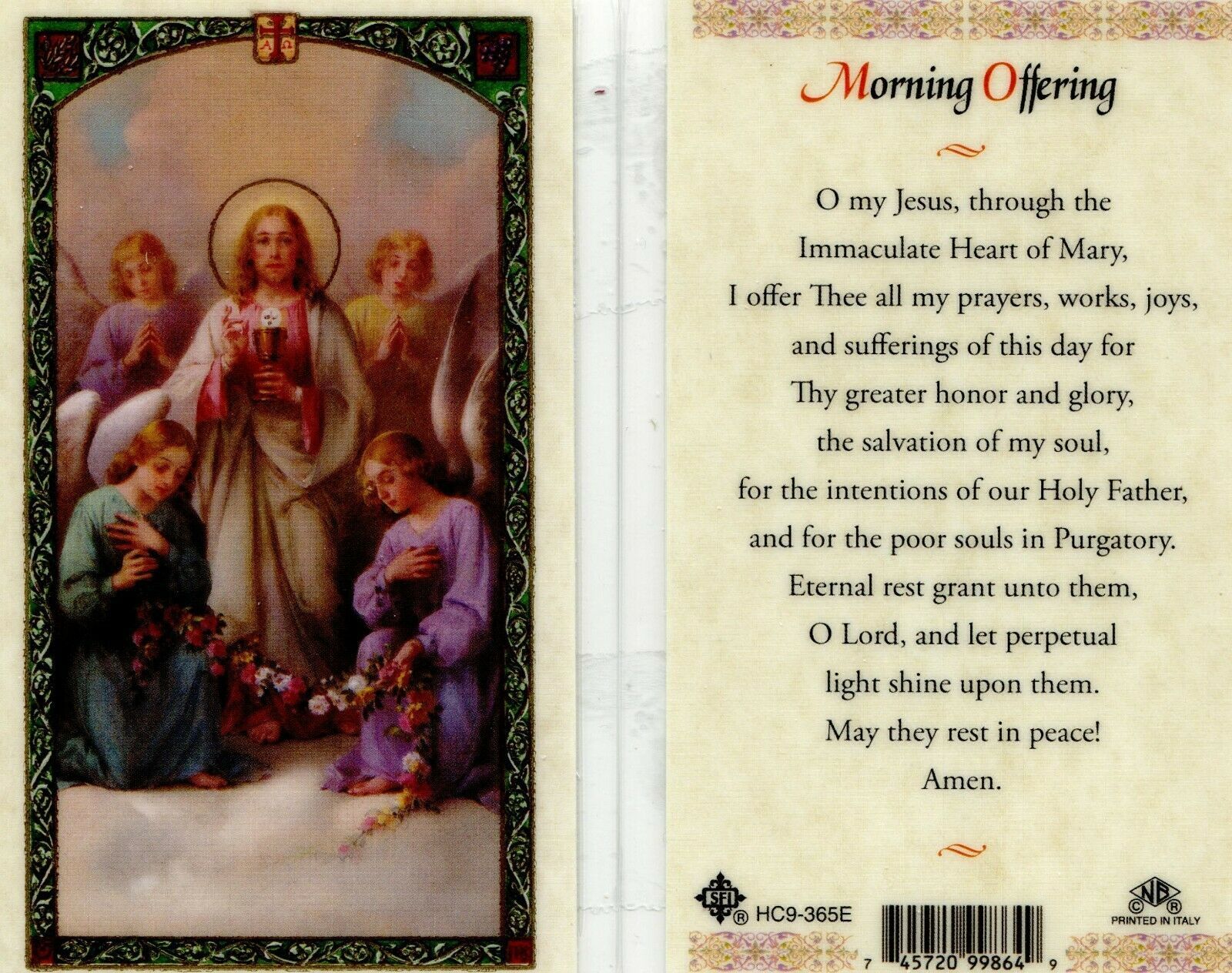
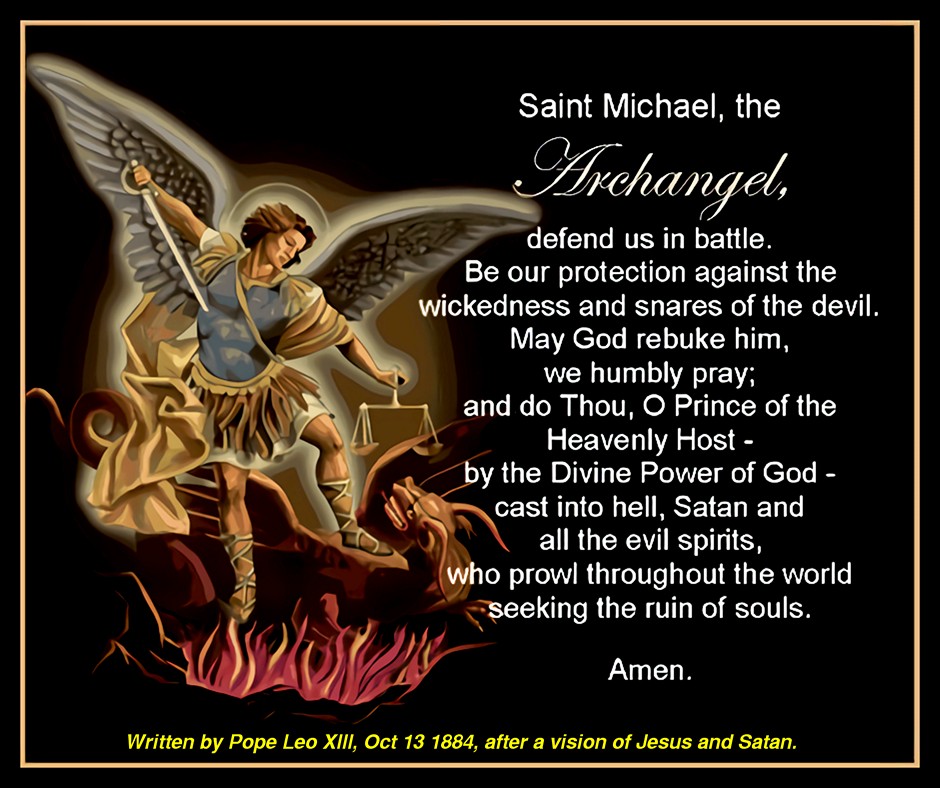
The Month of May is Dedicated to Devotion to Mary, the Mother of God.

“And when Elizabeth heard the greeting of Mary, the babe leaped in her womb; and Elizabeth was filled with the Holy Spirit and she exclaimed with a loud cry, “Blessed are you among women, and blessed is the fruit of your womb! And why is this granted me, that the Mother of my Lord should come to me?” (Luke 1:41-43)

Pope Leo XIV’s prayer intention for the month of May, 2026:
That everyone might have food
Let us pray that everyone, from large producers to small consumers, be committed to avoid wasting food, and to ensure that everyone has access to quality food.

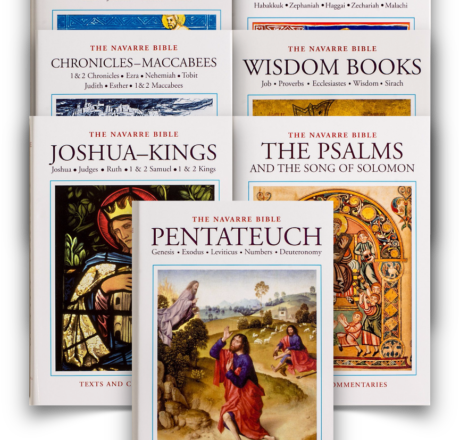
Today’s First Reading
From: Acts 18:23-28
Galatia and Phrygia
-------------------
[23] After spending some time there he (Paul) departed and went from place to place through the region of Galatia and Phrygia, strengthening all the disciples.
Apollos in Ephesus and Corinth
------------------------------
[24] Now a Jew named Apollos, a native of Alexandria, came to Ephesus. He was an eloquent man, well versed in the scriptures. [25] He had been instructed in the way of the Lord; and being fervent in spirit, he spoke and taught accurately the things concerning Jesus, though he knew only the baptism of John. [26] He began to speak boldly in the synagogue; but when Priscilla and Aquila heard him, they took him and expounded to him the way of God more accurately. [27] And when he wished to cross to Achaia, the brethren encouraged him, and wrote to the disciples to receive him. When he arrived, he greatly helped those who through grace had believed, [28] for he powerfully confuted the Jews in public, showing by the scriptures that the Christ was Jesus.
***********************************************************************
Commentary:
18:23 - 21:26. Paul's third apostolic journey starts, like the earlier ones, from Antioch, but it ends with his imprisonment in Jerusalem (Acts 21:27ff). It was a long journey, but Luke devotes most attention to events in Ephesus.
To begin with Paul tours the cities he already evangelized in Galatia and Phrygia: this would have taken him from the last months of 53 to early 54. Then he goes to Ephesus, where he stays for almost three years and meets up with all kinds of contradictions (cf. 2 Cor 1:8), as he describes it in his letter to the Corinthians in spring 57: "To the present hour we hunger and thirst, we are ill-clad and buffeted and homeless.... We have become, and are now, as the refuse of the world, the offscourings of all things" (1 Cor 4:11, 13). Despite this, or perhaps because of it, his apostolate was very fruitful and the Christian message spread through all proconsular Asia, to important cities like Colossae, Laodicae, Hierapolis, etc. and to countless towns; as he put it in a letter to the Corinthians (1 Cor 16:9), "a wide door for effective work has opened to me".
The Apostle had to leave Ephesus on account of the revolt of the silversmiths, moving on towards Macedonia and Achaia to visit the churches he founded on his second journey--Philippi, Thessalonica and Corinth. He stayed there the three months of the winter of 57/58. On his return journey (to Jerusalem, to bring money collected) he went via Macedonia to avoid a Jewish plot. He embarked at Neapolis (the port near Philippi), stopping off at Troas, Miletus (where he met with the elders from Ephesus whom he had called to come to him), Tyre and Caesarea, and managing to reach Jerusalem in time for the Passover.
24. Priscilla and Aquila knew how valuable a man with Apollos' qualities would be if he could be got to dedicate himself to the Lord's service; so they took the initiative and spoke to him. St J Escriva sees this episode as a good lesson about boldness in speaking about God, as "an event that demonstrates the wonderful apostolic zeal of the early Christians. Scarcely a quarter of a century had passed since Jesus had gone up to heaven and already his fame had spread to many towns and villages. In the city of Ephesus a man arrived, Apollos by name, 'an eloquent man, well versed in the scriptures'. . . . A glimmer of Christ's light had already filtered into the mind of this man. He had heard about our Lord and he passed the news on to others. But he still had some way to go. He needed to know more if he was to acquire the fulness of the faith and so come to love our Lord truly. A Christian couple, Aquila and Priscilla, hear him speaking; they are not inactive or indifferent. They do not think: 'This man already knows enough; it's not our business to teach him.' They were souls who were really eager to do apostolate and so they approached Apollos and 'took him and expounded to him the way of God more accurately"' ("Friends of God", 269).
This was the kind of zeal the first Christians had; a little later on St Justin wrote: "We do our very best to warn them [Jews and heretics], as we do you, not to be deluded, for we know full well that whoever can speak out the truth and fails to do so shall be condemned by God" ("Dialogue with Tryphon", 82, 3).
27. God uses people, in this case Apollos, to channel his grace to the faithful. They are instruments of his; they preach his word and reap an apostolic harvest, but it is God himself who makes the harvest grow, by providing his grace. "It depends not upon man's will or exertion, but upon God's mercy" (Romans 9:16). "It is not we who save souls and move them to do good. We are quite simply instruments, some more, some less worthy, for fulfilling God's plans for salvation. If at any time we were to think that we ourselves were the authors of the good we do, then our pride would return, more twisted than ever. The salt would lose its flavor, the leaven would rot and the light would turn into darkness" (St J. Escriva, "Friends of God", 250).
Hence the importance of supernatural resources in apostolic activity: building is in vain if God does not support it (cf. Psalm 127:1). "All the exterior effort is a waste of time, if you lack Love. It's like sewing with a needle and no thread" (St J. Escriva, "The Way", 967).
From: John 16:23b-28
Fullness of Joy (Continuation)
------------------------------
(Jesus said to His disciples,) [23b] Truly, truly, I say to you, if you ask anything of the Father, He will give it to you in My name. [24] Hitherto you have asked nothing in My name; ask, and you will receive, that your joy may be full.
[25] "I have said this to you in figures; the hour is coming when I shall no longer speak to in figures but tell you plainly of the Father. [26] In that day you will ask in My name; and I do not say to you that I shall pray the Father for you; [27] for the Father Himself loves you, because you have loved Me and have believed that I came from the Father. [28] I came from the Father and have come into the world; again, I am leaving the world and going to the Father."
***********************************************************************
Commentary:
25-30. As can be seen also from other passages in the Gospels, Jesus spent time explaining His doctrine in more detail to His Apostles than to the crowd (cf. Mark 4:10-12 and paragraph)--to train them for their mission of preaching the Gospel to the whole world (cf. Matthew 28:18-20). However, our Lord also used metaphors or parables when imparting instruction to the Apostles, and He does so in this discourse of the Last Supper--the vine, the woman giving birth, etc.: He stimulates their curiosity and they, because they do not understand, ask Him questions (cf. verses 17-18). Jesus now tells them that the time is coming when He will speak to them in a completely clear way so that they will know exactly what He means. This He will do after the Resurrection (cf. Acts 1:3). But even now, since He knows their thoughts, He is making it ever plainer to them that He is God, for only God can know what is happening inside someone (cf. 2:25). Verse 28, "I came from the Father and have come into the world; again, I am leaving the world and going to the Father" summarizes the mystery of Christ's Person (cf. John 1:14; 20:31).
Christ is King.
Disclaimer: Opinions posted on Free Republic are those of the individual posters and do not necessarily represent the opinion of Free Republic or its management. All materials posted herein are protected by copyright law and the exemption for fair use of copyrighted works.
