
Posted on 05/06/2026 10:33:33 PM PDT by fidelis
Jesus said to his disciples: “As the Father loves me, so I also love you. Remain in my love. If you keep my commandments, you will remain in my love, just as I have kept my Father’s commandments and remain in his love.” John 15:9–10
Imagine being loved by someone with a perfect love. Perfect love has no bounds, and experiencing it would be the source of indescribable joy. Now imagine further that the one who loves you is all-powerful and all-knowing. When combined with being all-loving, there is no limit to what such a relationship can do in your life.
Of course, we do not need to only imagine such a love; we can receive that love from God. Jesus’ words are deep, personal, and intimate: “As the Father loves me, so I also love you.” His love for you is not conditional, limited, or selfish. When He says to you, “I love you,” He means it with every power of His divine soul.
Jesus beautifully describes His love for us: “As the Father loves me…” The love the Father has for the Son is so deep, perfect, and all-consuming that we cannot fully comprehend it, even in Heaven... What’s more, the love between Father and Son is so strong that it cannot be contained within Themselves. Their love overflows in superabundance, pouring out upon us, inviting us to enjoy perfect fulfillment within it.
Jesus’ next words are both an invitation and a command: “Remain in my love.” God’s love for us is far more than an emotion or affectionate concern. His love is a gift of His very Self, drawing us into communion with Him. To “remain” in His love means to live, move and exist in His presence. Divine love is transforming, enduring, and life-changing. It unites us to the divine Lover and establishes the life-giving communion for which we were made.
After inviting us to remain in His love, Jesus clarifies how we can receive His ongoing and transformative gift: “If you keep my commandments, you will remain in my love, just as I have kept my Father’s commandments and remain in His love.” At first, these words might seem challenging especially when we consider our fallen nature and tendency toward pride. Yet they only feel burdensome if we misunderstand His commandments.
In order to fully embrace Jesus’ commandments, we need to see them for what they are: expressions of pure love gushing forth from the shared love of the Father and the Son. Note that Jesus doesn’t ask anything of us that He Himself was unwilling to do. His love for the Father was perfect because He kept the Father’s commandments. What did the Father command the Son to do? He commanded Him to love with a selfless, sacrificial love, culminating in laying down His life for us.
If we want to receive God’s love and share in its perfection, we too must love—just as the Father loves the Son, the Son loves the Father, and they both love us. Like Jesus, we must become an unconditional gift of self for others. This is the nature of true love.
By becoming an unconditional gift of self, we do not become anyone’s savior; rather, we allow the one true Savior to touch others through us. True love is divine. It does not originate within us but flows from God to us and through us. If we attempt to keep that love to ourselves, it is extinguished.
Reflect today on the perfect love within the Most Holy Trinity. Hear Jesus invite you to share in that perfect love on the condition that you become an instrument of it for others. This is His commandment: “Love one another as I love you” (John 15:12). Only in this way will we share in the perfect joy God desires to bestow upon us for all eternity.
My loving Lord, Your love is perfect, all-consuming, and transforming. Your invitation to remain in Your love is an invitation to share in Your very life, the life You share with the Father and the Holy Spirit. I accept Your invitation, dear Lord, and vow to keep Your commandments so as to become an instrument of Your love for others. Jesus, I trust in You.
Please keep in mind that this is a Catholic Caucus/Devotional thread for the purpose of prayerful reflection on the Sacred Scriptures and is closed to debate of any kind. Per FR policy on Religion Caucus threads, off-topic, argumentative, and abusive comments are not allowed and will be submitted to the Mods for deletion. Thanks, and God bless you.
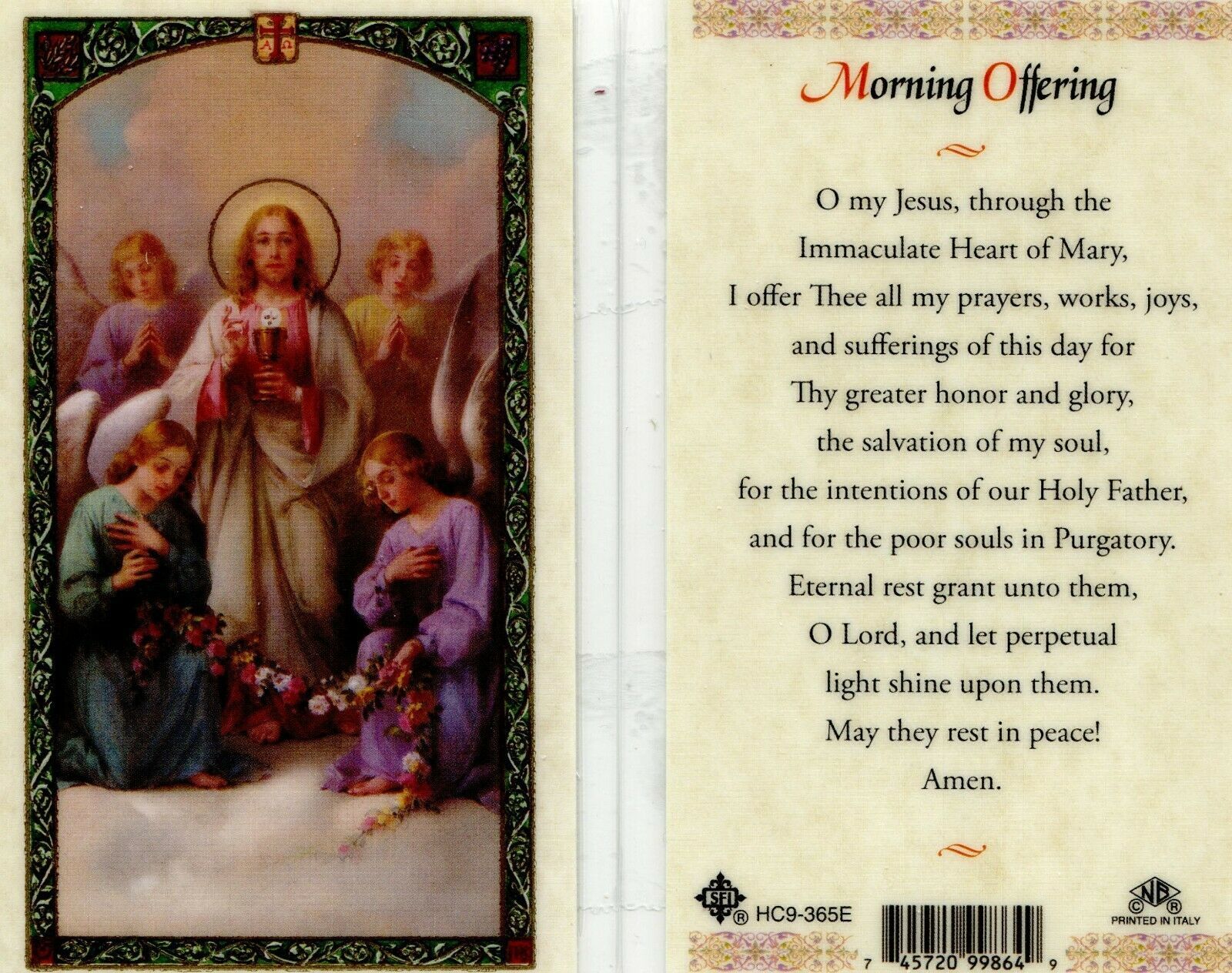
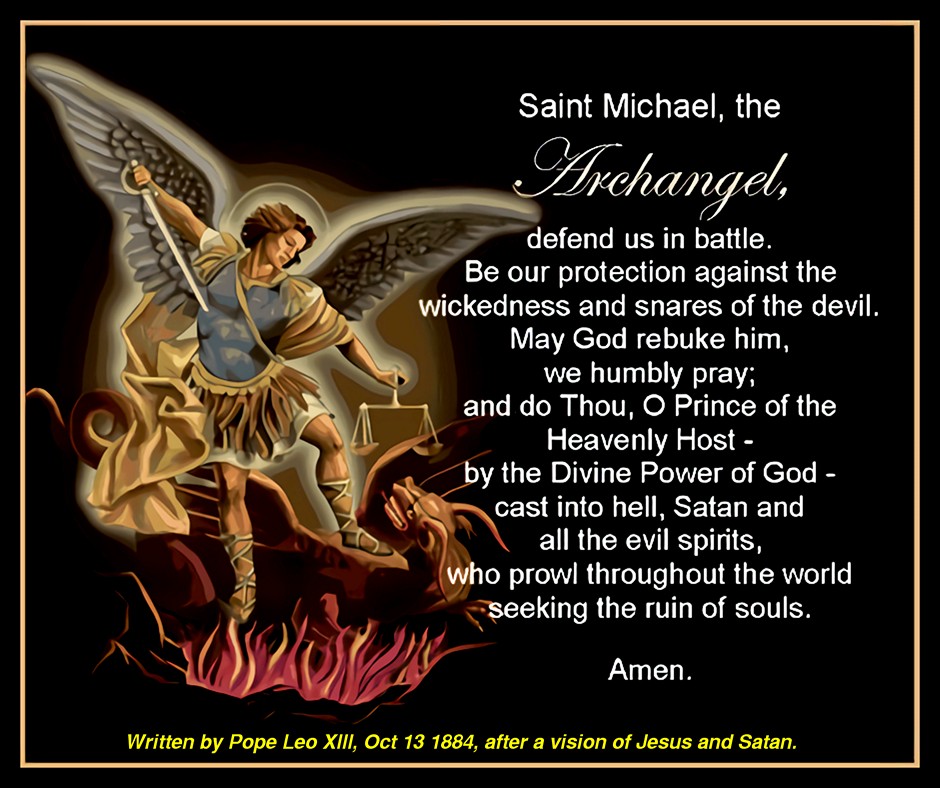
The Month of May is Dedicated to Devotion to Mary, the Mother of God.

“And when Elizabeth heard the greeting of Mary, the babe leaped in her womb; and Elizabeth was filled with the Holy Spirit and she exclaimed with a loud cry, “Blessed are you among women, and blessed is the fruit of your womb! And why is this granted me, that the Mother of my Lord should come to me?” (Luke 1:41-43)

Pope Leo XIV’s prayer intention for the month of May, 2026:
That everyone might have food
Let us pray that everyone, from large producers to small consumers, be committed to avoid wasting food, and to ensure that everyone has access to quality food.

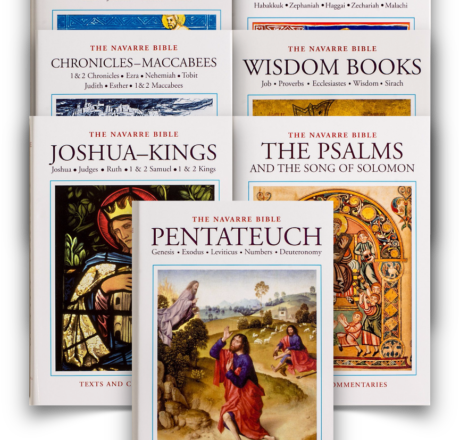
Today’s First Reading
From: Acts 15:7-21
Peter's Address to the Elders (Continuation)
--------------------------------------------
[7] And after there had been much debate, Peter rose and said to them, "Brethren, you know that in the early days God made choice among you, that by my mouth the Gentiles should hear the word of the Gospel and believe. [8] And God who knows the heart bore witness to them, giving them the Holy Spirit just as He did to us; [9] and He made no distinction between us and them, but cleansed their hearts by faith. [10] Now therefore why do you make trial of God by putting a yoke upon the neck of the disciples which neither our fathers nor we have been able to bear? [11] But we believe that we shall be saved through the grace of the Lord Jesus, just as they will.
James' Speech
-------------
[12] And all the assembly kept silence; and they listened to Barnabas and Paul as they related what signs and wonders God had done through them among the Gentiles. [13] After they finished speaking, James replied, "Brethren, listen to me. [14] Simeon has related how God first visited the Gentiles, to take out of them a people for His name. [15] And with this the words of the prophets agree, as it is written, [16] 'After this I will return, and I will rebuild the dwelling of David, which has fallen; I will rebuild its ruins, and I will set it up, [17] that the rest of men may seek the Lord, and all the Gentiles who are called by My name, [18] says the Lord, who has made these things known from of old.' [19] Therefore my judgment is that we should not trouble those the Gentiles who turn to God, [20] but should write to them to abstain from the pollutions of idols and from unchastity and from what is strangled and from blood. [21] For from early generations Moses has had in every city those who preach him, for he is read every Sabbath in the synagogues."
***********************************************************************
Commentary:
7-11. Peter's brief but decisive contribution follows on a lengthy discussion which would have covered the arguments for and against the need for circumcision to apply to Gentile Christians. St. Luke does not give the arguments used by the Judaizing Christians (these undoubtedly were based on a literal interpretation of the compact God made with Abraham--cf. Genesis 17)--and on the notion that the Law was perennial.)
Once again, Peter is a decisive factor in Church unity. Not only does he draw together all the various legitimate views of those trying to reach the truth on this occasion: he points out where the truth lies. Relying on his personal experience (what God directed him to do in connection with the baptism of Cornelius: cf. Chapter 10), Peter sums up the discussion and offers a solution which coincides with St. Paul's view of the matter: it is grace and not the Law that saves, and therefore circumcision and the Law itself have been superseded by faith in Jesus Christ. Peter's argument is not based on the severity of the Old Law or the practical difficulties Jews experience in keeping it; his key point is that the Law of Moses has become irrelevant; now that the Gospel has been proclaimed the Law is not necessary for salvation: he does not accept that it is necessary to obey the Law in order to be saved. Whether one can or should keep the Law for other reasons is a different and secondary matter.
As a gloss on what Peter says, St. Ephraem writes that "everything which God has given us through faith and the Law has been given by Christ to the Gentiles through faith and without observance of the Law" ("Armenian Commentary, ad loc.").
11. St. Paul makes the same point in his letter to the Galatians: "We ourselves, who are Jews by birth and not Gentile sinners, yet who know that a man is not justified by works of the law but by faith in Jesus Christ, even we have believed by faith in Christ, and not by works of the law, because by works of the law shall no one be justified" (2:15f).
"No one can be sanctified after sin," St. Thomas Aquinas says, "unless it be through Christ. [...] Just as the ancient fathers were saved by faith in the Christ to come, so we are saved by faith in the Christ who was born and suffered" ("Summa Theologiae", III, q. 61, a. 3 and 4).
"That thing is absolutely necessary without which no one can attain salvation: this is the case with the grace of Christ and with the sacrament of Baptism, by which a person is reborn with Christ" ("ibid.", q. 84, a. 5).
13-21. James the Less, to whose authority the Judaizers had appealed follows what Peter says. He refers to the Apostle by his Semitic name--Symeon--and accepts that he has given a correct interpretation of what God announced though the prophets. In saying that God had "visited the Gentiles to take out of them a people for His name" he seems to be giving up the Jewish practice of using "people" to refer to the Israelites (Exodus 19:9; Deuteronomy 7:6; 14:2) as distinct from the Gentiles--again the central message of Paul, that baptized pagans also belong to the people of the promise: "You are no longer strangers and sojourners, but you are fellow citizens with the saints and members of the household of God" (Ephesians 2:19).
James' concurrence with what Peter says and the fact that both are in agreement with the basic principles of Paul's preaching indicate that the Holy Spirit is at work, giving light to all to understand the true meaning of the promises contained in Scripture. "As I see it, the richness of these great events cannot be explained unless it be with help from the same Holy Spirit who was their author" (Origen, "In Ex Hom.", IV, 5).
James immediately goes on to propose that the meeting issue a solemn, formal statement which proclaims the secondary character of the Law and at the same time makes allowance for the religious sensitivity of Jewish Christians by prohibiting four things--1) the eating of meat from animals used in sacrifice to idols; 2) avoidance of fornication, which goes against the natural moral order; 3) eating meat which has blood in it; and 4) eating food made with the blood of animals.
These prohibitions are laid down in Leviticus and to be understood properly they must be read in the light of Leviticus. The Jews considered that if they ate meat offered to idols this implied in some way taking part in sacrilegious worship (Leviticus 17:7-9). Although St. Paul makes it clear that Christians were free to act as they pleased in this regard (cf. 1 Corinthians 8-10), he will also ask them not to scandalize "the weak".
Irregular unions and transgressions in the area of sexual morality are mentioned in Leviticus 18:6ff; some of the impediments will later be included in Church law on marriage.
Abstention from blood and from the meat of strangled animals (cf. Leviticus 17:10ff) was based on the idea that blood was the container of life and as such belonged to God alone. A Jew would find it almost impossible to overcome his religious and cultural repugnance at the consumption of blood.
From: John 15:9-11
The Vine and the Branches (Continuation)
----------------------------------------
(Jesus said to His disciples,) [9] "As the Father has loved Me, so have I loved you; abide in My love. [10] If you keep My commandments, you will abide in My love, just as I have kept My Father's commandments and abide in His love. [11] These things I have spoken to you, that My joy may be in you, and that your joy may be full.
***********************************************************************
Commentary:
9-11. Christ's love for Christians is a reflection of the love the Three Divine Persons have for one another and for all men: "We love, because He first loved us" (1 John 4:19).
The certainty that God loves us is the source of Christian joy (verse 11), but it is also something which calls for a fruitful response on our part, which should take the form of a fervent desire to do God's will in everything, that is, to keep His commandments, in imitation of Jesus Christ, who did the will of His Father (cf. John 4:34).
Disclaimer: Opinions posted on Free Republic are those of the individual posters and do not necessarily represent the opinion of Free Republic or its management. All materials posted herein are protected by copyright law and the exemption for fair use of copyrighted works.

