Posted on 04/17/2026 9:44:43 AM PDT by CondoleezzaProtege
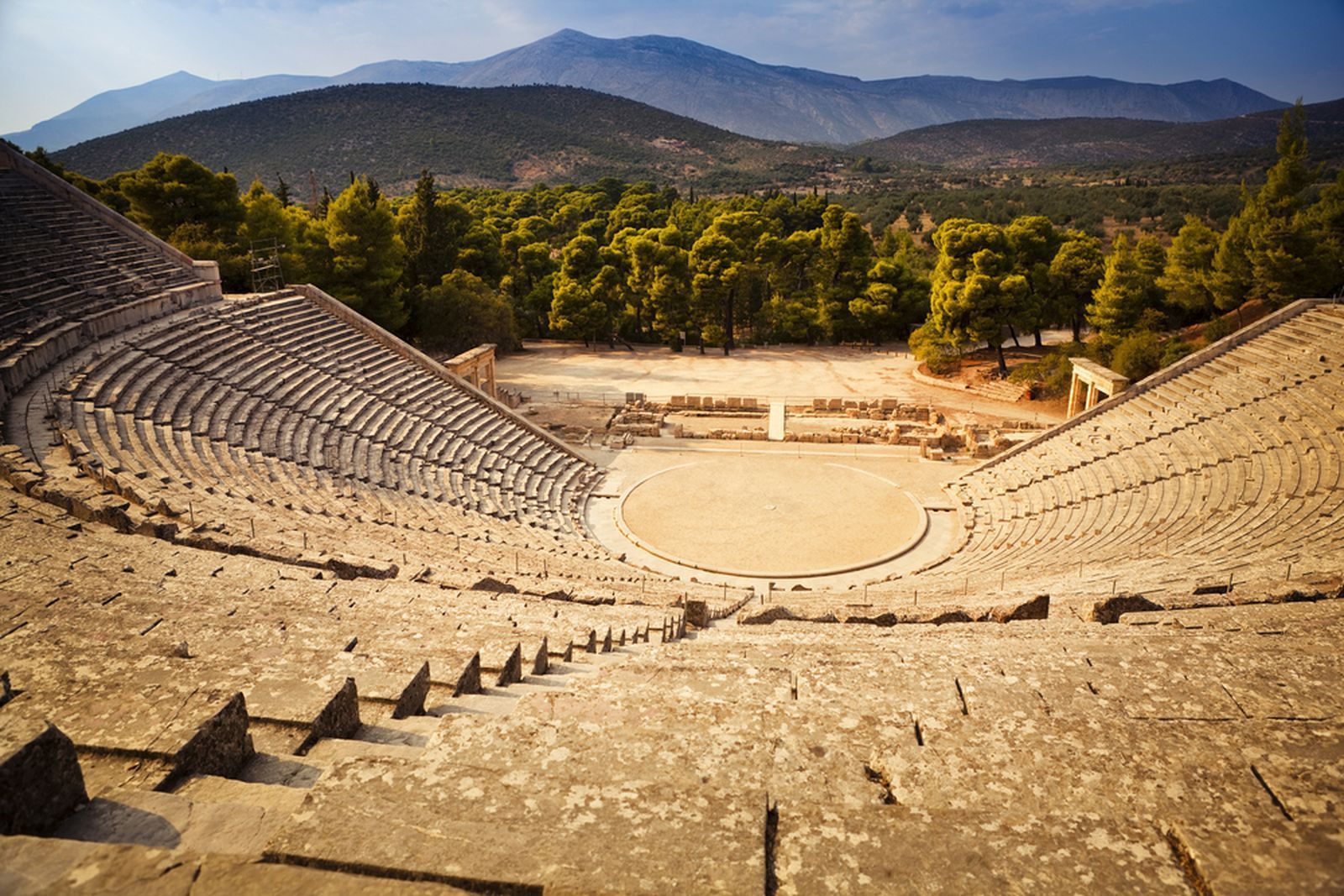
As a genre, Greek tragedy was highly valued in 1st-century society, with the plays of 5th and 4th century BC Athens being continuously performed in theatres and studied in Graeco-Roman education as an essential area of knowledge. Herod the Great made a particular effort to introduce Graeco-Roman theatre in Jerusalem...
The Gospel of Mark, in particular, has a structure that closely resembles that of a Greek tragic play.
According to Aristotle’s Poetics, the structure of the plot is vital when classifying a work as tragic drama, even more so than characterization. The structure of the plot in a Greek tragedy was typically made up of
- a complication.
- a point of recognition.
- the dénouement (resolution)
Firstly, we have the complication, or désis. There's usually a swift introduction of a problem to be solved, such as the need for Oedipus to find Laius’ murderer in order to save Thebes at the beginning of Oedipus Tyrannus. This isn't necessarily quite as obvious in the Gospels; i
Instead, a motif of conflict and building tension is introduced gradually as the chief priests and Pharisees begin to criticise Jesus and then start plotting against him...
Secondly, we have the recognition, or anagnórisis, the vital moment of revelation. In Mark, this moment comes in the very middle of the narrative, providing a central turning point where both the disciples and the reader are asked by Jesus, “Who do you say I am?”.
Peter’s answer “You are the Christ.” is the exact moment of revelation, providing a new sense of clarity that shapes the rest of the narrative.
This is also something that we see in multiple Greek tragedic plays, such as the recognition of Orestes in Euripides’ Electra, or the revelation of Oedipus’ true identity in Sophocles’ Oedipus Tyrannus...
(Excerpt) Read more at theclassicistwithanatlas.co.uk ...
I always enjoy your posts, as much for the content as for the confounded reactions. Let’s see what this one brings.
Disclaimer: Opinions posted on Free Republic are those of the individual posters and do not necessarily represent the opinion of Free Republic or its management. All materials posted herein are protected by copyright law and the exemption for fair use of copyrighted works.