
Posted on 04/10/2026 11:59:02 PM PDT by fidelis
When Jesus had risen, early on the first day of the week, he appeared first to Mary Magdalene, out of whom he had driven seven demons. She went and told his companions who were mourning and weeping. When they heard that he was alive and had been seen by her, they did not believe. Mark 16:9–11
Today’s Gospel from Saint Mark offers a concise summary of three of Jesus’ resurrection appearances. Rather than presenting these appearances in detail or as separate encounters, Mark strings them together to convey one clear message: fear and despair resulting from suffering must give way to faith and hope because of the Resurrection.
Mark’s Gospel begins with Jesus’ appearance to Mary Magdalene, simply stating that Jesus appeared to her. Immediately, Mark relates that Mary went to tell Jesus’ companions...she found them “mourning and weeping.” After she told them Jesus had risen, “they did not believe.”
“Mourning and weeping” are the result of fear, doubt, and despair. While mourning in the form of holy sorrow can arise from genuine charity, as taught in the Beatitudes, mourning as sadness stems from a heart overcome by fear, anxiety, or doubt—each of which can lead to despair. The fruit of despair, as Mark reveals here, is disbelief.
After this account, Mark relates a shortened version of Jesus’ appearance to two disciples on the way to Emmaus. That same Easter day on which Jesus rose and appeared to Mary Magdalene, He appeared to these two disciples. They quickly returned to Jerusalem to share their experience with the eleven and other disciples, who had already disbelieved Mary Magdalene’s testimony. Once again, “they did not believe them either.”
Finally, later on the same day, Mark states: “as the Eleven were at table, he appeared to them and rebuked them for their unbelief and hardness of heart because they had not believed those who saw him after he had been raised” (Mark 16:14). Saint Mark the Evangelist wants us to know that even the eleven remaining Apostles... They did not believe until Jesus appeared before them, revealing their hardness of heart that prevented true faith in His word. Jesus rebuked them for this unbelief, showing that the heart closed to faith cannot receive the hope He offers.
If Jesus’ closest companions struggled with faith in the Resurrection and the hope that such faith brings, then we should each prayerfully reflect upon the depth of faith—or lack thereof—we have in the Resurrection. Practically speaking, what does it mean to have faith in the Resurrection? It means that we will not face life’s crosses with self-pity, sadness, discouragement, or despair. If we understand the glory and transforming power of Christ’s Resurrection, we will immediately perceive every suffering we endure as an opportunity for grace and triumph, not defeat.
Because the disciples did not yet understand the Resurrection, they were mourning without hope... When Jesus appeared to them as a group, His rebuke was an act of love, to teach them they must change their understanding of His death and see it through the lens of His Resurrection. We must do the same in our lives.
Reflect today on any cross you carry or suffering you endure. Learn from the sadness and despair that led to disbelief among the disciples. Listen to our Resurrected Lord who lovingly rebukes you and invites you to see the great value in every suffering that you unite to His Cross. His Resurrection must bring a clarity that instills hope into our lives. Commit to live as the disciples did, after Jesus rebuked them, rejoicing that Jesus’ Resurrection conquers all.
Most glorious Lord, Your Resurrection transformed Your suffering and death into the means of eternal salvation for all who believe in You. Help me to be open to that transforming grace and to unite my own sufferings with Yours so that all I endure will be transformed and so that I may share in the glory of Your Resurrection. Jesus, I trust in You.
Please keep in mind that this is a Catholic Caucus/Devotional thread for the purpose of prayerful reflection on the Sacred Scriptures and is closed to debate of any kind. Per FR policy on Religion Caucus threads, off-topic, argumentative, and abusive comments are not allowed and will be submitted to the Mods for deletion. Thanks, and God bless you.
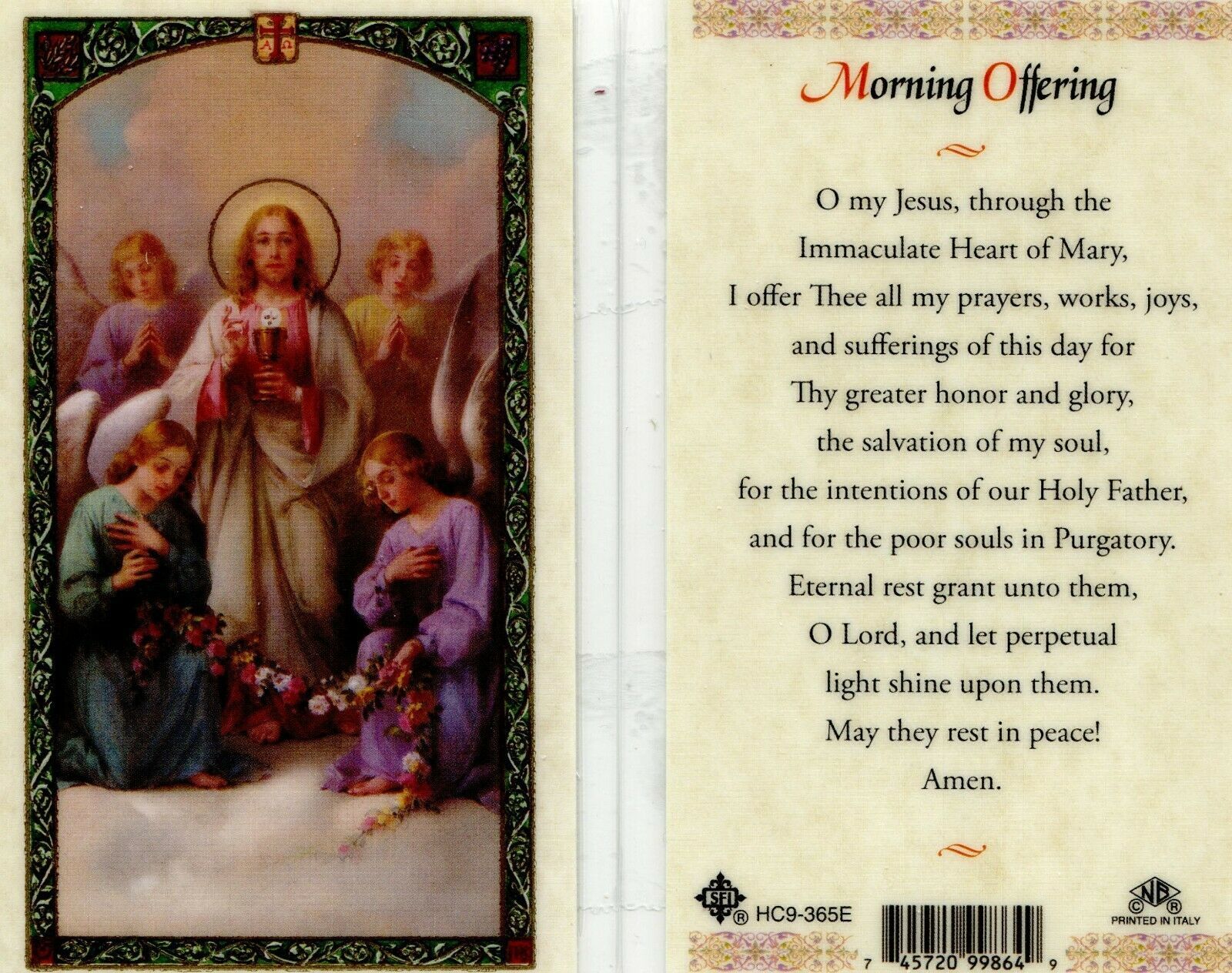
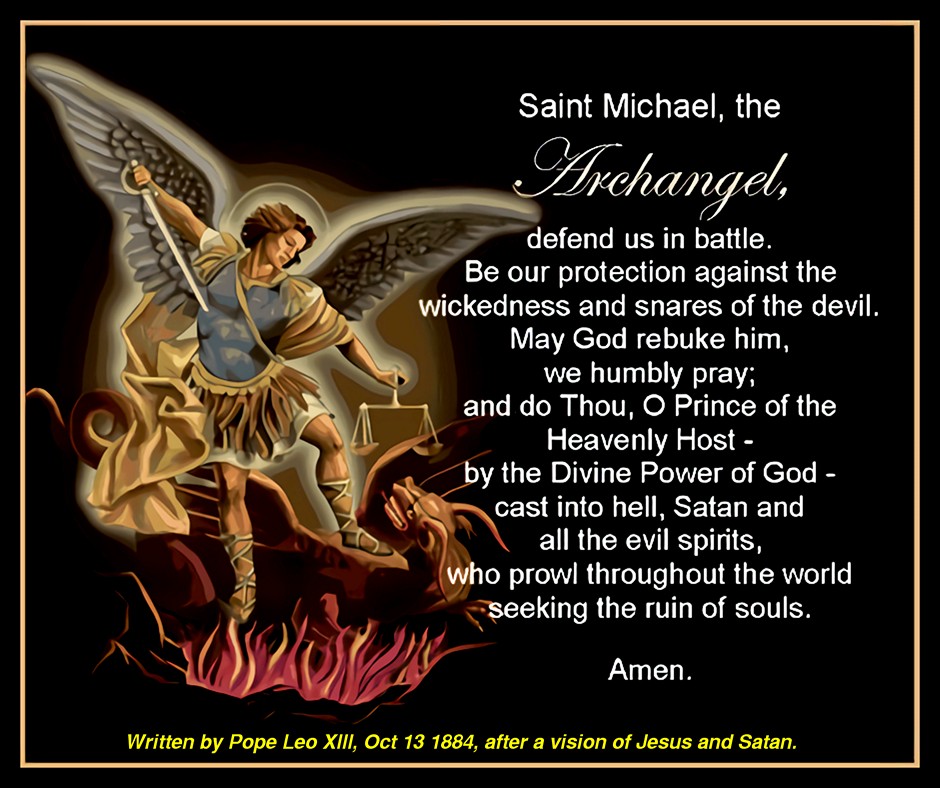
The Month of April is Dedicated to Devotion to the Most Holy Eucharist
“Now as they were eating, Jesus took bread, and blessed, and broke it, and gave it to the disciples and said, “Take, eat; this is my body.” And he took a cup, and when he had given thanks he gave it to them, saying, “Drink of it, all of you; for this is my blood of the covenant, which is poured out for many for the forgiveness of sins.” (Matthew 26:26-28)

Pope Leo XIV’s prayer intention for the month of April, 2026:
For priests in crisis
Let us pray for priests going through moments of crisis in their vocation, that they may find the accompaniment they need and that communities may support them with understanding and prayer.

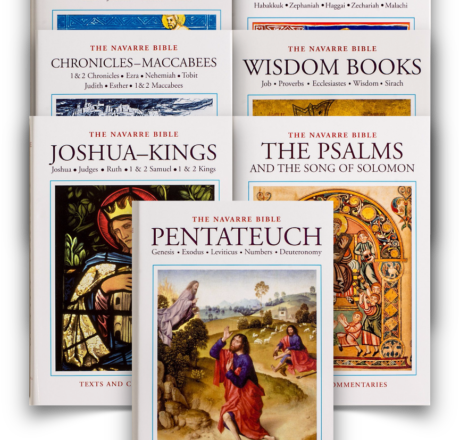
Today’s First Reading
From: Acts 4:13-21
Address To the Sanhedrin (Continuation)
---------------------------------------
[13] Now when they (the Sanhedrin) saw the boldness of Peter and John, and perceived that they were uneducated, common men, they wondered; and they recognized that they had been with Jesus. [14] But seeing the man that had been healed standing beside them, they had nothing to say in opposition. [15] But when they had commanded them to go aside out of the council, they conferred with one another, [16] saying, "What shall we do with these men? For that a notable sign has been performed through them is manifest to all the inhabitants of Jerusalem, and we cannot deny it. [17] But in order that it may spread no further among the people, let us warn them to speak no more to any one in this Name." [18] So they called them and charged them not to speak or teach at all in the name of Jesus. [19] But Peter and John answered them, "Whether it is right in the sight of God to listen to you rather than to God you must judge; [20] for we cannot but speak of what we have seen and heard." [21] And when they had further threatened them, they let them go, finding no way to punish them, because of the people; for all men praised God for what had happened.
***********************************************************************
Commentary:
13. The members of the Sanhedrin are surprised by Peter's confidence and by the way these men, who are not well versed in the Law, are able to use Sacred Scripture. "Did not the Apostles," (St. John) Chrysostom asks in admiration, "poor and without earthly weapons, enter into battle against enemies who were fully armed [...]? Without experience, without skill of the tongue, they fought against experts in rhetoric and the language of the academies" ("Hom. on Acts", 4).
18-20. In one of his homilies Pope St John Paul II gives us a practical commentary on this passage, which help us see the right order of priorities and give pride of place to the things of God: "Whereas the elders of Israel charge the Apostles not to speak about Christ, God, on the other hand, does not allow them to remain silent. [...] In Peter's few sentences we find a full testimony to the Resurrection of the Lord. [...] The word of the living God addressed to men obliges us more than any other human commandment or purpose. This word carries with it the supreme eloquence of truth, it carries the authority of God Himself. [...]
"Peter and the Apostles are before the Sanhedrin. They are completely and absolutely certain that God Himself has spoken in Christ, and has spoken definitely through His Cross and Resurrection. Peter and the Apostles to whom this truth was directly given--as also those who in their time received the Holy Spirit--must bear witness TO IT.
Believing means accepting with complete conviction the truth that comes from God, drawing support from the grace of the Holy Spirit 'whom God has given to those who obey Him' (Acts 5:32) to accept what God has revealed and what comes to us through the Church in its living transmission, that is, in Tradition. The organ of this Tradition is the teaching of Peter and of the Apostles and of their successors.
"Over the centuries the sanhedrins change which seek to impose silence, abandonment or distortion of this truth. The "sanhedrins of the contemporary world" are many and of all types. These sanhedrins are each and every person who rejects divine truth; they are systems of human thought, of human knowledge; they are various "conceptions of the world" and also the various programs of human behavior; they are also the different "forms of pressure" used by so-called public opinion, mass civilization, media of social communication, which are materialist or secular agnostic or anti-religious; they are, finally, certain contemporary "systems of government" which--if they do not totally deprive citizens of scope to profess the faith--at least limit that scope in different ways, marginalize believers and turn them into second-class citizens...and against all these modern types of the Sanhedrin of that time, the response of faith is always the same: 'We must obey God rather than men' (Acts 5:29)" ("Homily", 20 April 1980).
From: Mark 16:9-15
Jesus Appears to Mary Magdalene and to Two Disciples
----------------------------------------------------
[9] Now when He (Jesus) rose early on the first day of the week, He appeared first to Mary Magdalene, from whom He had cast our seven demons. [10] She went and told those who had been with Him, as they mourned and wept. [11] But when they heard that He was alive and had been seen by her, they would not believe it.
[12] After this He appeared in another form to two of them, as they were walking into the country. [13] And they went back and told the rest, but they did not believe them.
Jesus Appears to the Eleven. The Apostles' Mission
---------------------------------------------------
[14] Afterwards He appeared to the Eleven themselves as they sat at table; and He upbraided them for their unbelief and hardness of heart, because they had not believed those who saw Him after He had risen. [15] And He said to them, "Go into all the world and preach the Gospel to the whole creation."
***********************************************************************
Commentary:
11-14. When reporting these first appearances of the risen Jesus, St. Mark stresses the disciples' disbelief and their reluctance to accept the fact of the Resurrection, even though Jesus foretold it (cf. Mark 8:31; 9:31; 10:34). This resistance shown by the Apostles is a further guarantee of the truth of Jesus' resurrection; they were to be direct, specially-appointed witnesses to the risen Christ, yet they were reluctant to accept this role. They had personal, direct proof of the truth of the Resurrection.
However, our Lord will say: "Blessed are those who have not seen and yet believe" (John 20:29). In the Apostles' case, they needed, in addition to faith in the risen Christ, clear evidence of His resurrection, for they were to be the eye-witnesses, key witnesses who would proclaim it as an irrefutable fact. In this connection [Pope] St. Gregory the Great comments: "The reason why the disciples were slow to believe in the Resurrection was not so much due to their weakness as to our future firmness in the faith; what other purposes does this have (the very Resurrection being demonstrated by many arguments to those who were in doubt) than that our faith should be strengthened by their doubt?" ("In Evangelia Homilae", 16).
12. Our Lord's appearance to these two disciples is reported more fully by St. Luke (cf. 24:13-35).
15. This verse contains what is called the "universal apostolic mandate" (paralleled by Matthew 28:19-20 and Luke 24:46-48). This is an imperative command from Christ to His Apostles to preach the Gospel to the whole world. This same apostolic mission applies, especially to the Apostles' successors, the bishops in communion with Peter's successor, the Pope.
But this mission extends further: the whole "Church was founded to spread the Kingdom of Christ over all the earth for the glory of God the Father, to make all men partakers in redemption and salvation....Every activity of the Mystical Body with this in view goes by the name of `apostolate'; the Church exercises it through all its members, though in various ways. In fact, the Christian vocation is, of its nature, a vocation to the apostolate as well. In the organism of a living body no member plays a purely passive part, sharing in the life of the body it shares at the same time in its activity. The same is true for the body of Christ, the Church: `the whole body achieves full growth in dependence on the full functioning of each part' (Ephesians 4:16). Between the members of this body there exists, further, such a unity and solidarity (cf. Ephesians 4:16) that a member who does not work at the growth of the body to the extent of his possibilities must be considered useless both to the Church and to himself.
"In the Church there is diversity of ministry but unity of mission. To the apostles and their successors Christ has entrusted the office of teaching, sanctifying and governing in His name and by His power. But the laity are made to share in the priestly, prophetical and kingly office of Christ; they have therefore, in the Church and in the world, their own assignment in the mission of the whole people of God" (Vatican II, "Apostolicam Actuositatem", 2).
It is true that God acts directly on each person's soul through grace, but it must also be said that it is Christ's will (expressed here and elsewhere) that men should be an instrument or vehicle of salvation for others.
Vatican II also teaches this: "On all Christians, accordingly, rests the noble obligation of working to bring all men throughout the whole world to hear and accept the divine message of salvation" ("ibid.", 3).
Disclaimer: Opinions posted on Free Republic are those of the individual posters and do not necessarily represent the opinion of Free Republic or its management. All materials posted herein are protected by copyright law and the exemption for fair use of copyrighted works.

