Posted on 01/28/2026 4:26:30 AM PST by annalex
Saint Thomas Aquinas, Priest, Doctor on Wednesday of week 3 in Ordinary Time ![]() St. Thomas Aquinas Catholic Church, Ham, UK Readings at MassLiturgical Colour: White. Year: A(II). These are the readings for the feria
'Your house and sovereignty will stand secure'The word of the Lord came to Nathan: ‘Go and tell my servant David, “Thus the Lord speaks: Are you the man to build me a house to dwell in? I have never stayed in a house from the day I brought the Israelites out of Egypt until today, but have always led a wanderer’s life in a tent. In all my journeying with the whole people of Israel, did I say to any one of the judges of Israel, whom I had appointed as shepherds of Israel my people: Why have you not built me a house of cedar?” This is what you must say to my servant David, “The Lord of Hosts says this: I took you from the pasture, from following the sheep, to be leader of my people Israel; I have been with you on all your expeditions; I have cut off all your enemies before you. I will give you fame as great as the fame of the greatest on earth. I will provide a place for my people Israel; I will plant them there and they shall dwell in that place and never be disturbed again; nor shall the wicked continue to oppress them as they did, in the days when I appointed judges over my people Israel; I will give them rest from all their enemies. The Lord will make you great; the Lord will make you a House. And when your days are ended and you are laid to rest with your ancestors, I will preserve the offspring of your body after you and make his sovereignty secure. (It is he who shall build a house for my name, and I will make his royal throne secure for ever.) I will be a father to him and he a son to me; if he does evil, I will punish him with the rod such as men use, with strokes such as mankind gives. Yet I will not withdraw my favour from him, as I withdrew it from your predecessor. Your House and your sovereignty will always stand secure before me and your throne be established for ever.”’ Nathan related all these words to David and this whole revelation.
I will keep my love for him always. I have made a covenant with my chosen one, I have sworn to David my servant: I will establish your dynasty for ever and set up your throne through all ages. I will keep my love for him always. He will say to me: You are my father, my God, the rock who saves me. And I will make him my first-born, the highest of the kings of the earth. I will keep my love for him always. I will keep my love for him always; with him my covenant shall last. I will establish his dynasty for ever, make his throne endure as the heavens. I will keep my love for him always.
Alleluia, alleluia! Speak, Lord, your servant is listening: you have the message of eternal life. Alleluia!
Alleluia, alleluia! The seed is the word of God, Christ the sower; whoever finds this seed will remain for ever. Alleluia!
The parable of the sowerJesus began to teach by the lakeside, but such a huge crowd gathered round him that he got into a boat on the lake and sat there. The people were all along the shore, at the water’s edge. He taught them many things in parables, and in the course of his teaching he said to them, ‘Listen! Imagine a sower going out to sow. Now it happened that, as he sowed, some of the seed fell on the edge of the path, and the birds came and ate it up. Some seed fell on rocky ground where it found little soil and sprang up straightaway, because there was no depth of earth; and when the sun came up it was scorched and, not having any roots, it withered away. Some seed fell into thorns, and the thorns grew up and choked it, and it produced no crop. And some seeds fell into rich soil and, growing tall and strong, produced crop; and yielded thirty, sixty, even a hundredfold.’ And he said, ‘Listen, anyone who has ears to hear!’ When he was alone, the Twelve, together with the others who formed his company, asked what the parables meant. He told them, ‘The secret of the kingdom of God is given to you, but to those who are outside everything comes in parables, so that they may see and see again, but not perceive; may hear and hear again, but not understand; otherwise they might be converted and be forgiven.’ He said to them, ‘Do you not understand this parable? Then how will you understand any of the parables? What the sower is sowing is the word. Those on the edge of the path where the word is sown are people who have no sooner heard it than Satan comes and carries away the word that was sown in them. Similarly, those who receive the seed on patches of rock are people who, when first they hear the word, welcome it at once with joy. But they have no root in them, they do not last; should some trial come, or some persecution on account of the word, they fall away at once. Then there are others who receive the seed in thorns. These have heard the word, but the worries of this world, the lure of riches and all the other passions come in to choke the word, and so it produces nothing. And there are those who have received the seed in rich soil: they hear the word and accept it and yield a harvest, thirty and sixty and a hundredfold.’ These are the readings for the memorial
I esteemed Wisdom more than sceptres or thronesI prayed, and understanding was given me; I entreated, and the spirit of Wisdom came to me. I esteemed her more than sceptres and thrones; compared with her, I held riches as nothing. I reckoned no priceless stone to be her peer, for compared with her, all gold is a pinch of sand, and beside her silver ranks as mud. I loved her more than health or beauty, preferred her to the light, since her radiance never sleeps. May God grant me to speak as he would wish and express thoughts worthy of his gifts, since he himself is the guide of Wisdom, since he directs the sages. We are indeed in his hand, we ourselves and our words, with all our understanding, too, and technical knowledge.
Lord, teach me your statutes. How shall the young remain sinless? By obeying your word. I have sought you with all my heart; let me not stray from your commands. Lord, teach me your statutes. I treasure your promise in my heart lest I sin against you. Blessed are you, O Lord; teach me your statutes. Lord, teach me your statutes. With my tongue I have recounted the decrees of your lips. I rejoiced to do your will as though all riches were mine. Lord, teach me your statutes.
Alleluia, alleluia! You have only one Father, and he is in heaven; you have only one Teacher, the Christ. Alleluia!
The greatest among you must be your servantJesus said to his disciples, ‘You must not allow yourselves to be called Rabbi, since you have only one master, and you are all brothers. You must call no one on earth your father, since you have only one Father, and he is in heaven. Nor must you allow yourselves to be called teachers, for you have only one Teacher, the Christ. The greatest among you must be your servant. Anyone who exalts himself will be humbled, and anyone who humbles himself will exalted.’
You can also view this page with the New Testament in Greek and English. Christian Art![]() Each day, The Christian Art website gives a picture and reflection on the Gospel of the day. The readings on this page are from the Jerusalem Bible, which is used at Mass in most of the English-speaking world. The New American Bible readings, which are used at Mass in the United States, are available in the Universalis apps, programs and downloads. |
|
Click here: to donate by Credit Card Or here: to donate by PayPal Or by mail to: Free Republic, LLC - PO Box 9771 - Fresno, CA 93794 Thank you very much and God bless you. |

Please FReepmail me to get on/off the Alleluia Ping List.
| Mark | |||
| English: Douay-Rheims | Greek NT: Byzantine/Majority Text (2000) | Latin: Vulgata Clementina | |
| Mark 4 | |||
| 1. | AND again he began to teach by the sea side; and a great multitude was gathered together unto him, so that he went up into a ship, and sat in the sea; and all the multitude was upon the land by the sea side. | και παλιν ηρξατο διδασκειν παρα την θαλασσαν και συνηχθη προς αυτον οχλος πολυς ωστε αυτον εμβαντα εις το πλοιον καθησθαι εν τη θαλασση και πας ο οχλος προς την θαλασσαν επι της γης ην | Et iterum cœpit docere ad mare : et congregata est ad eum turba multa, ita ut navim ascendens sederet in mari, et omnis turba circa mare super terram erat : |
| 2. | And he taught them many things in parables, and said unto them in his doctrine: | και εδιδασκεν αυτους εν παραβολαις πολλα και ελεγεν αυτοις εν τη διδαχη αυτου | et docebat eos in parabolis multa, et dicebat illis in doctrina sua : |
| 3. | Hear ye: Behold, the sower went out to sow. | ακουετε ιδου εξηλθεν ο σπειρων του σπειραι | Audite : ecce exiit seminans ad seminandum. |
| 4. | And whilst he sowed, some fell by the way side, and the birds of the air came and ate it up. | και εγενετο εν τω σπειρειν ο μεν επεσεν παρα την οδον και ηλθεν τα πετεινα και κατεφαγεν αυτο | Et dum seminat, aliud cecidit circa viam, et venerunt volucres cæli, et comederunt illud. |
| 5. | And other some fell upon stony ground, where it had not much earth; and it shot up immediately, because it had no depth of earth. | αλλο δε επεσεν επι το πετρωδες οπου ουκ ειχεν γην πολλην και ευθεως εξανετειλεν δια το μη εχειν βαθος γης | Aliud vero cecidit super petrosa, ubi non habuit terram multam : et statim exortum est, quoniam non habebat altitudinem terræ : |
| 6. | And when the sun was risen, it was scorched; and because it had no root, it withered away. | ηλιου δε ανατειλαντος εκαυματισθη και δια το μη εχειν ριζαν εξηρανθη | et quando exortus est sol, exæstuavit : et eo quod non habebat radicem, exaruit. |
| 7. | And some fell among thorns; and the thorns grew up, and choked it, and it yielded no fruit. | και αλλο επεσεν εις τας ακανθας και ανεβησαν αι ακανθαι και συνεπνιξαν αυτο και καρπον ουκ εδωκεν | Et aliud cecidit in spinas : et ascenderunt spinæ, et suffocaverunt illud, et fructum non dedit. |
| 8. | And some fell upon good ground; and brought forth fruit that grew up, and increased and yielded, one thirty, another sixty, and another a hundred. | και αλλο επεσεν εις την γην την καλην και εδιδου καρπον αναβαινοντα και αυξανοντα και εφερεν εν τριακοντα και εν εξηκοντα και εν εκατον | Et aliud cecidit in terram bonam : et dabat fructum ascendentem et crescentem, et afferebat unum triginta, unum sexaginta, et unum centum. |
| 9. | And he said: He that hath ears to hear, let him hear. | και ελεγεν ο εχων ωτα ακουειν ακουετω | Et dicebat : Qui habet aures audiendi, audiat. |
| 10. | And when he was alone, the twelve that were with him asked him the parable. | οτε δε εγενετο καταμονας ηρωτησαν αυτον οι περι αυτον συν τοις δωδεκα την παραβολην | Et cum esset singularis, interrogaverunt eum hi qui cum eo erant duodecim, parabolam. |
| 11. | And he said to them: To you it is given to know the mystery of the kingdom of God: but to them that are without, all things are done in parables: | και ελεγεν αυτοις υμιν δεδοται γνωναι το μυστηριον της βασιλειας του θεου εκεινοις δε τοις εξω εν παραβολαις τα παντα γινεται | Et dicebat eis : Vobis datum est nosse mysterium regni Dei : illis autem, qui foris sunt, in parabolis omnia fiunt : |
| 12. | That seeing they may see, and not perceive; and hearing they may hear, and not understand: lest at any time they should be converted, and their sins should be forgiven them. | ινα βλεποντες βλεπωσιν και μη ιδωσιν και ακουοντες ακουωσιν και μη συνιωσιν μηποτε επιστρεψωσιν και αφεθη αυτοις τα αμαρτηματα | ut videntes videant, et non videant : et audientes audiant, et non intelligant : nequando convertantur, et dimittantur eis peccata. |
| 13. | And he saith to them: Are you ignorant of this parable? and how shall you know all parables? | και λεγει αυτοις ουκ οιδατε την παραβολην ταυτην και πως πασας τας παραβολας γνωσεσθε | Et ait illis : Nescitis parabolam hanc ? Et quomodo omnes parabolas cognoscetis ? |
| 14. | He that soweth, soweth the word. | ο σπειρων τον λογον σπειρει | Qui seminat, verbum seminat. |
| 15. | And these are they by the way side, where the word is sown, and as soon as they have heard, immediately Satan cometh and taketh away the word that was sown in their hearts. | ουτοι δε εισιν οι παρα την οδον οπου σπειρεται ο λογος και οταν ακουσωσιν ευθεως ερχεται ο σατανας και αιρει τον λογον τον εσπαρμενον εν ταις καρδιαις αυτων | Hi autem sunt, qui circa viam, ubi seminatur verbum, et cum audierint, confestim venit Satanas, et aufert verbum, quod seminatum est in cordibus eorum. |
| 16. | And these likewise are they that are sown on the stony ground: who when they have heard the word, immediately recieve it with joy. | και ουτοι εισιν ομοιως οι επι τα πετρωδη σπειρομενοι οι οταν ακουσωσιν τον λογον ευθεως μετα χαρας λαμβανουσιν αυτον | Et hi sunt similiter, qui super petrosa seminantur : qui cum audierint verbum, statim cum gaudio accipiunt illud : |
| 17. | And they have no root in themselves, but are only for a time: and then when tribulation and persecution ariseth for the word they are presently scandalized. | και ουκ εχουσιν ριζαν εν εαυτοις αλλα προσκαιροι εισιν ειτα γενομενης θλιψεως η διωγμου δια τον λογον ευθεως σκανδαλιζονται | et non habent radicem in se, sed temporales sunt : deinde orta tribulatione et persecutione propter verbum, confestim scandalizantur. |
| 18. | And others there are who are sown among thorns: these are they that hear the word, | και ουτοι εισιν οι εις τας ακανθας σπειρομενοι οι τον λογον ακουοντες | Et alii sunt qui in spinas seminantur : hi sunt qui verbum audiunt, |
| 19. | And the cares of the world, and the deceitfulness of riches, and the lusts after other things entering in choke the word, and it is made fruitless. | και αι μεριμναι του αιωνος τουτου και η απατη του πλουτου και αι περι τα λοιπα επιθυμιαι εισπορευομεναι συμπνιγουσιν τον λογον και ακαρπος γινεται | et ærumnæ sæculi, et deceptio divitiarum, et circa reliqua concupiscentiæ introëuntes suffocant verbum, et sine fructu efficitur. |
| 20. | And these are they who are sown upon the good ground, who hear the word, and receive it, and yield fruit, the one thirty, another sixty, and another a hundred. | και ουτοι εισιν οι επι την γην την καλην σπαρεντες οιτινες ακουουσιν τον λογον και παραδεχονται και καρποφορουσιν εν τριακοντα και εν εξηκοντα και εν εκατον | Et hi sunt qui super terram bonam seminati sunt, qui audiunt verbum, et suscipiunt, et fructificant, unum triginta, unum sexaginta, et unum centum. |

4:1–20
1. And he began again to teach by the sea side: and there was gathered unto him a great multitude, so that he entered into a ship, and sat in the sea; and the whole multitude was by the sea on the land.
2. And he taught them many things by parables, and said unto them in his doctrine,
3. Hearken; Behold, there went out a sower to sow:
4. And it came to pass, as he sowed, some fell by the way side, and the fowls of the air came and devoured it up.
5. And some fell on stony ground, where it had not much earth; and immediately it sprang up, because it had no depth of earth:
6. But when the sun was up, it was scorched; and because it had no root, it withered away.
7. And some fell among thorns, and the thorns grew up, and choked it, and it yielded no fruit.
8. And other fell on good ground, and did yield fruit that sprang up and increased; and brought forth, some thirty, and some sixty, and some an hundred.
9. And he said unto them, He that hath ears to hear, let him hear.
10. And when he was alone, they that were about him with the twelve asked of him the parable.
11. And he said unto them, Unto you it is given to know the mystery of the kingdom of God: but unto them that are without, all these things are done in parables:
12. That seeing they may see, and not perceive; and hearing they may hear, and not understand; lest at any time they should be converted, and their sins should be forgiven them.
13. And he said unto them, Know ye not this parable? and how then will ye know all parables?
14. The sower soweth the word.
15. And these are they by the way side, where the word is sown; but when they have heard, Satan cometh immediately, and taketh away the word that was sown in their hearts.
16. And these are they likewise which are sown on stony ground; who, when they have heard the word, immediately receive it with gladness;
17. And have no root in themselves, and so endure but for a time: afterward, when affliction or persecution ariseth for the word’s sake, immediately they are offended.
18. And these are they which are sown among thorns; such as hear the word,
19. And the cares of this world, and the deceitfulness of riches, and the lusts of other things entering in, choke the word, and it becometh unfruitful.
20. And these are they which are sown on good ground; such as hear the word, and receive it, and bring forth fruit, some thirty-fold, some sixty, and some an hundred.
THEOPHYLACT. Although the Lord appears in the transactions mentioned above to neglect His mother, nevertheless He honours her; since on her account He goes forth about the borders of the sea: wherefore it is said, And Jesus began to teach again by the sea-side, &c.
BEDE. (in Marc. i. 18) For if we look into the Gospel of Matthew, it appears that this same teaching of the Lord at the sea, was delivered on the same day as the former. For after the conclusion of the first sermon, Matthew immediately subjoins, saying, The same day went Jesus out of the house, and sat by the sea-side.
PSEUDO-JEROME. But He began to teach at the sea, that the place of His teaching might point out the bitter feelings and instability of His hearers.
BEDE. (ubi sup.) After leaving the house also, He began to teach at the sea, because, quitting the synagogue, He came to gather together the multitude of the Gentile people by the Apostles. Wherefore it continues: And there was gathered unto him a great multitude, so that he entered into a ship, and sat in the sea.
CHRYSOSTOM. (Hom. in Matt. 44) Which we must understand was not done without a purpose, but that He might not leave any one behind Him, but have all His hearers before His face.
BEDE. Now this ship shewed in a figure the Church, to be built in the midst of the nations, in which the Lord consecrates for Himself a beloved dwelling-place. It goes on: And he taught them many things by parables.
PSEUDO-JEROME. A parable is a comparison made between things discordant by nature, under some similitude. For parable is the Greek for a similitude, when we point out by some comparisons what we would have understood. In this way we say an iron man, when we desire that he should be understood to be hardy and strong; when to be swift, we compare him to winds and birds. But He speaks to the multitudes in parables, with His usual providence, that those who could not take in heavenly things, might conceive what they heard by an earthly similitude.
CHRYSOSTOM. (ubi sup.) For He rouses the minds of His hearers by a parable, pointing out objects to the sight, to make His discourse more manifest.
THEOPHYLACT. And in order to rouse the attention of those who heard, the first parable that He proposes is concerning the seed, which is the word of God. Wherefore it goes on, And he said to them in his doctrine. Not in that of Moses, nor of the Prophets, because He preaches His own Gospel. Hearken: behold, there went out a sower to sow. Now the Sower is Christ.
CHRYSOSTOM. (ubi sup.) Not that He went out in space, Who is present in all space, and fills all, but in the form and economy by which He is made more near to us through the clothing of flesh. For since we were not able to go to Him, because sins impeded our path, He went out to us. But He went out, preaching in order to sow the word of piety, which He spake abundantly. Now He does not needlessly repeat the same word, when He says, A sower went out to sow, for sometimes a sower goes out that he may break up land for tillage, or to pull up weeds, or for some other work. But this one went out to sow.
BEDE. (in Marc. i. 19) Or else, He went out to sow, when after calling to His faith the elect portion of the synagogue, He poured out the gifts of His grace in order to call the Gentiles also.
CHRYSOSTOM. (ubi sup.) Further, as a sower does not make a distinction in the ground which is beneath him, but simply and without distinction puts in the seed, so also He Himself addresses all. And to signify this, He says, And as he sowed, some Jell by the way-side.
THEOPHYLACT. Take notice, that He says not that He threw it in the way, but that it fell, for a sower, as far as he can, throws it into good ground, but if the ground be bad, it corrupts the seed. Now the way is Christ; but infidels are by the way-side, that is, out of Christ.
BEDE. (ubi sup.) Or else, the way is a mind which is a path for bad thoughts, preventing the seed of the word from growing in it. And therefore whatsoever good seed comes in contact with such a way, perishes, and is carried off by devils. Wherefore there follows, And the fowls of the air came and devoured it up. And well are the devils called fowls of the air, either because they are of a heavenly and spiritual origin, or because they dwell in the air. Or else, those who are about the way are negligent and slothful men. It goes on: And some fell on stony ground. He calls stone, the hardness of a wanton mind; He calls ground, the inconstancy of a soul in its obedience; and sun, the heat of a raging persecution. Therefore the depth of earth, which ought to have received the seed of God, is the honesty of a mind trained in heavenly discipline, and regularly brought up in obedience to the Divine words. But the stony places, which have no strength for fixing the root firmly, are those breasts which are delighted only with the sweetness of the word which they hear, and for a time with the heavenly promises, but in a season of temptation fall away, for there is too little of healthful desire in them to conceive the seed of life.
THEOPHYLACT. Or, the stony persons are those who adhering a little to the rock, that is, to Christ, up to a short time, receive the word, and afterwards, falling back, cast it away. It goes on: And some fell among thorns; by which are marked souls which care for many things. For thorns are cares.
CHRYSOSTOM. (ubi sup.) But further He mentions good ground, saying, And other fell on good ground. For the difference of the fruits follows the quality of the ground. But great is the love of the Sower for men, for the first He commends, and rejects not the second, and gives a place to the third.
THEOPHYLACT. See also how the bad are the greatest number, and the few are those who are saved, for the fourth part of the ground is found to be saved.
CHRYSOSTOM. (ubi sup.) This, however, the greater portion of the seed is not lost through the fault of the owner, but of the earth, which received it, that is, of the soul, which hears. And indeed the real husbandman, if he sowed in this way, would be rightly blamed; for he is not ignorant that rock, or the road, or thorny ground, cannot become fertile. But in spiritual things it is not so; for there it is possible that stony ground may become fertile; and that the road should not be trodden down, and that the thorns may be destroyed, for if this could not take place, he would not have sown there. By this therefore He gives to us hope of repentance. It goes on, And he said unto them, He that hath ears to hear, let him hear.
BEDE. (ubi sup.) As often as this is inserted in the Gospel or in the Apocalypse of John, that which is spoken is mystical, and is pointed out as healthful to be heard and learnt. For the ears by which they are heard belong to the heart, and the ears by which men obey and do what is commanded, are those of an interior sense. There follows, And when he was alone, the twelve that were with him asked of him the parable; and he said unto them, Unto you it is given to know the mystery of the kingdom of God, but to them that are without all things are done in parables.
PSEUDO-CHRYSOSTOM. (Vict. Ant. c Cat. in Marc.) As if He said unto them, You that are worthy to be taught all things which are fitted for teaching, shall learn the manifestation of parables; but I use parables with them who are unworthy to learn, because of their wickedness. For it was right that they who did not hold fast their obedience to that law which they had received, should not have any share in a new teaching, but should be estranged from both; for He shewed by the obedience of His disciples, that, on the other hand, the others were become unworthy of mystical doctrine. But afterwards, by bringing in a voice from prophecy, He confounds their wickedness, as having been long before reproved; wherefore it goes on, that seeing they might see, and not perceive, &c. (Isa. 6:9) as if He said, that the prophecy might be fulfilled which foretells these things.
THEOPHYLACT. For it was God Who made them to see, that is, to understand what is good. But they themselves see not, of their own will making themselves not to see, lest they should be converted and correct themselves, as if they were displeased at their own salvation. It goes on, Lest at any time they should be converted, and their sins be forgiven them.
PSEUDO-CHRYSOSTOM. (Vict. Ant. e Cat. in Marc.) Thus, therefore, they see and they do not see, they hear and do not understand, for their seeing and hearing comes to them from God’s grace, but their seeing and not understanding comes to them from their unwillingness to receive grace, and closing their eyes, and pretending that they could not see; neither do they acquiesce in what was said, and so are not changed as to their sins by hearing and seeing, but rather are made worse.
THEOPHYLACT. Or we may understand in a different way His speaking to the rest in parables, that seeing they might not perceive, and hearing, not understand. For God gives sight and understanding to men who seek for them, but the rest He blinds, lest it become a greater accusation against them, that though they understood, they did not choose to do what they ought. Wherefore it goes on, Lest at any time they should be, &c.
AUGUSTINE. (Quæst. 14, in Matt.) Or else they deserved this, their not understanding, and yet this in itself was done in mercy to them, that they might know their sins, and, being converted, merit pardon.
BEDE. (ubi sup.) To those then who are without, all things are done in parables, that is, both the actions and the words of the Saviour, because neither in those miracles which He was working, nor in those mysteries which He preached, were they able to acknowledge Him as God. Therefore they are not able to attain to the remission of their sins.
PSEUDO-CHRYSOSTOM. (Vict. Ant. e Cat. in Marc.) But His speaking to them only in parables, and yet not leaving off speaking to them entirely, shews that to those who are placed near to what is good, though they may have no good in themselves, still good is shewn disguised. But when a man approaches it with reverence and a right heart, he wins for himself an abundant revelation of mysteries; when on the contrary his thoughts are not sound, he will be neither made worthy of those things which are easy to many men, nor even of hearing them. There follows, And he said unto them, Know ye not this parable, how then shall ye know all parables?
PSEUDO-JEROME. For it was necessary that they to whom He spoke in parables should ask for what they did not understand, and learn by the Apostle whom they despised, the mystery of the kingdom which they themselves had not.
GLOSS. (non occ.) And for this reason, the Lord in saying these things, shews that they ought to understand both this first, and all following miracles. Wherefore explaining it, He goes on, The sower soweth the word.
CHRYSOSTOM. (in Matt. Hom. 44.) And indeed the prophet has compared the teaching of the people to the planting of a vine; (Isa. 5) in this place however it is compared to sowing, to shew that obedience is now shorter and more easy, and will sooner yield fruit.
BEDE. (ubi Sup.) But in this exposition of the Lord there is embraced the whole range of those who might hear the words of truth, but are unable to attain to salvation. For there are some to whom no faith, no intellect, nay no opportunity of trying its usefulness, can give a perception of the word which they hear; of whom He says, And these are by the wayside. For unclean spirits take away at once the word committed to their hearts, as birds carry away the seed of the trodden way. There are some who both experience its usefulness and feel a desire for it, but some of them the calamities of this world frighten, and others its prosperity allures, so that they do not attain to that which they approve. Of the first of whom He says, And these are they who fell on stony ground; of the latter, And these are they which are sown among thorns. But riches are called thorns, because they tear the soul with the piercing of its own thoughts, and after bringing it to sin, they, as one may say, make it bleed by inflicting a wound. Again He says, And the toil of this world, and the deceitfulness of riches; for the man who is deceived by an empty desire of riches must soon be afflicted by the toils of continual cares. He adds, And the lusts of other things; because, whosoever despises the commandments of God, and wanders away lustfully seeking other things, is unable to attain to the joy of beatitude. And concupiscences of this sort choke the word, because they do not allow a good desire to enter into the heart, and, as it were, stifle the entrance of vital breath. There are, however, excepted from these different classes of men, the Gentiles who do not even have grace to hear the words of life.
THEOPHYLACT. Further, of those who receive the seed as they ought there are three degrees. Wherefore it goes on, And these are they who are sown on good ground. Those who bear fruit an hundred-fold are those who lead a perfect and an obedient life, as virgins and hermits. Those who bear fruit sixty-fold are those who are in the mean as continent personsr and those who are living in convents. Those who bear thirty-fold are those who though weak indeed, bear fruit according to their own virtue, as laymen and married persons.
BEDE. (ubi sup.) Or he bears thirty-fold, who instills into the minds of the elect faith in the Holy Trinity; sixty-fold, who teaches the perfection of good works; a hundred-fold, who shews the rewards of the heavenly kingdom. For in counting a hundred, we pass on to the right hands; therefore that number is fitly made to signify everlasting happiness. But the good ground is the conscience of the elect, which does the contrary to all the former three, which both receives with willingness the seed of the word committed to it, and keeps it when received up to the season of fruit.
PSEUDO-JEROME. Or else the fruits of the earth are contained in thirty, sixty, and a hundred-fold, that is, in the Law, the Prophets, and the Gospel.
Catena Aurea Mark 4

| Matthew | |||
| English: Douay-Rheims | Latin: Vulgata Clementina | Greek NT: Byzantine/Majority Text (2000) | |
| Matthew 23 | |||
| 8. | But be not you called Rabbi. For one is your master; and all you are brethren. | Vos autem nolite vocari Rabbi : unus est enim magister vester, omnes autem vos fratres estis. | υμεις δε μη κληθητε ραββι εις γαρ εστιν υμων ο καθηγητης ο χριστος παντες δε υμεις αδελφοι εστε |
| 9. | And call none your father upon earth; for one is your father, who is in heaven. | Et patrem nolite vocare vobis super terram : unus est enim pater vester qui in cælis est. | και πατερα μη καλεσητε υμων επι της γης εις γαρ εστιν ο πατηρ υμων ο εν τοις ουρανοις |
| 10. | Neither be ye called masters; for one is you master, Christ. | Nec vocemini magistri : quia magister vester unus est, Christus. | μηδε κληθητε καθηγηται εις γαρ υμων εστιν ο καθηγητης ο χριστος |
| 11. | He that is the greatest among you shall be your servant. | Qui major est vestrum, erit minister vester. | ο δε μειζων υμων εσται υμων διακονος |
| 12. | And whosoever shall exalt himself shall be humbled: and he that shall humble himself shall be exalted. | Qui autem se exaltaverit, humiliabitur : et qui se humiliaverit, exaltabitur. | οστις δε υψωσει εαυτον ταπεινωθησεται και οστις ταπεινωσει εαυτον υψωθησεται |

23:5–12
5. But all their works they do for to be seen of men: they make broad their phylacteries, and enlarge the borders of their garments,
6. And love the uppermost rooms at feasts, and the chief seats in the synagogues,
7. And greetings in the markets, and to be called of men, Rabbi, Rabbi.
8. But be not ye called Rabbi: for one is your Master, even Christ; and all ye are brethren.
9. And call no man your father upon the earth: for one is your Father, which is in heaven.
10. Neither be ye called masters: for one is your Master, even Christ.
11. But he that is greatest among you shall be your servant.
12. And whosoever shall exalt himself shall be abased; and he that shall humble himself shall be exalted.
CHRYSOSTOM. The Lord had charged the Scribes and Pharisees with harshness and neglect; He now brings forward their vain-glory, which made them depart from God.
PSEUDO-CHRYSOSTOM. Every substance breeds in itself that which destroys it, as wood the worm, and garments the moth; so the Devil strives to corrupt the ministry of the Priests, who are ordained for the edification of holiness, endeavouring that this good, while it is done to be seen of men, should be turned into evil. Take away this fault from the clergy, and you will have no further labour in their reform, for of this it comes that a clergyman who has sinned can hardly perform penance. Also the Lord here points out the cause why they could not believe in Christ, because nearly all they did was in order to be seen of men; for he whose desire is for earthly glory from men, cannot believe on Christ who preaches things heavenly. I have read one who interprets this place thus. In Moses’ seat, that is, in the rank and degree instituted by Moses, the Scribes and Pharisees are seated unworthily, forasmuch as they preached to others the Law which foretold Christ’s coming, but themselves did not receive Him when come. For this cause He exhorts the people to hear the Law which they preached, that is, to believe in Christ who was preached by the Law, but not to follow the Scribes and Pharisees in their disbelief of Him. And He shews the reason why they preached the coming of Christ out of the Law, yet did not believe on Him; namely, because they did not preach that Christ should come through any desire of His coming, but that they might be seen by men to be doctors of the Law.
ORIGEN. And their works likewise they do to be seen of men, using outward circumcision, taking away actual leaven out of their houses, and doing such like things. But Christ’s disciples fulfil the Law in things secret, being Jews inwardly, as the Apostle speaks. (Rom. 2:29.)
CHRYSOSTOM. Note the intensive force of the words of His reproofs. He says not merely that they do their works to be seen of men, but added, all their works. And not only in great things but in some things trivial they were vainglorious, They make broad their phylacteries and enlarge the borders of their garments.
JEROME. For the Lord, when He had given the commandments of the Law through Moses, added at the end, And thou shalt bind them for a sign upon thine hand, and they shall be ever before thine eyes; (Deut. 6:8.) the meaning of which is, Let my precepts be in thine hand so as to be fulfilled in thy works; let them be before thine eyes so as that thou shalt meditate upon them day and night. This the Pharisees misinterpreting, wrote on parchments the Decalogue of Moses, that is, the Ten Commandments, and folding them up, tied them on their forehead, so making them a crown for their head, that they should be always before their eyes. Moses had in another place given command that they should make fringes of blue in the borders of their garments, to distinguish the people of Israel (Numb. 15:39.); that as in their bodies circumcision, so in their garments the fringe, might discriminate the Jewish nation. But these superstitious teachers, catching at popular favour, and making gain of silly women, made broad hems, and fastened them with sharp pins, that as they walked or sat they might be pricked, and by such monitors be recalled to the duties of God’s ministry. This embroidery then of the Decalogue they called phylacteries, that is, conservatories, because those who wore them, wore them for their own protection and security. So little did the Pharisees understand that they were to be worn on the heart and not on the body; for in equal degree may cases and chests be said to have books, which assuredly have not the knowledge of God.
PSEUDO-CHRYSOSTOM. But after their example do many invent Hebrew names of Angels, and write them, and bind them on themselves, and they seem dreadful to such as are without understanding. Others again wear round their neck a portion of the Gospel written out. But is not the Gospel read every day in the Church, and heard by all? Those therefore who receive no profit from the Gospel sounded in their ears, how shall the having them hung about their neck save them? Further, wherein is the virtue of the Gospel? in the shape of its letters, or in the understanding its meaning? If in the characters, you do well to hang them round your neck; if in their meaning, they are of more profit when laid up in the heart, than hung round the neck. But others explain this place thus, That they made broad their teachings concerning special observances, as phylacteries, or preservatives of salvation, preaching them continually to the people. And the broad fringes of their garments they explain of the same undue stress upon such commandments.
JEROME. Seeing they thus make broad their phylacteries, and make them broad fringes, desiring to have glory of men, they are convicted also in other things; For they love the uppermost rooms at feasts, and the chief seats in the synagogues.
RABANUS. It should be noted, that He does not forbid those to whom this belongs by right of rank to be saluted in the forum, or to sit or recline in the highest room; but those who unduly desire these things, whether they obtain them or not, these He enjoins the believers to shun as wicked.
PSEUDO-CHRYSOSTOM. For He rebukes not those who recline in the highest place, but those who love such places, blaming the will not the deed. For to no purpose does he humble himself in place who exalts himself in heart. For some vain men hearing that it was a commendable thing to seat himself in the lowest place, chooses so to do; and thus not only does not put away the vanity of his heart, but adds this additional vain ostentation of his humility, as one who would be thought righteous and humble. For many proud men take the lowest place in their bodies, but in haughtiness of heart think themselves to be seated among the highest; and there are many humble men who, placed among the highest, are inwardly in their own esteem among the lowest.
CHRYSOSTOM. Observe where vain glory governed them, to wit, in the synagogues, whither they entered to guide others. It had been tolerable to have felt thus at feasts, notwithstanding that a doctor ought to be had in honour in all places alike, and not in the Churches only. But if it be blameworthy to love such things, how wrong is it to seek to attain them?
PSEUDO-CHRYSOSTOM. They love the first salutations, first, that is, not in time only, before others; but in tone, that we should say with a loud voice, Hail, Rabbi; and in body that we should bow low our head; and in place, that the salutation should be in public.
RABANUS. And herein they are not without fault, that the same men should be concerned in the litigations of the forum, who in the synagogue in Moses’ seat, seek to be called Rabbi by men.
PSEUDO-CHRYSOSTOM. That is, they wish to be called, not to be such; they desire the name, and neglect the duties.
ORIGEN. And in the Church of Christ are found some who take to themselves the uppermost places, that is, become deacons; next they aspire to the chief seats of those that are called presbyters; and some intrigue to be styled among men Bishop, that is, to be called Rabbi. But Christ’s disciple loves the uppermost place indeed, but at the spiritual banquet, where he may feed on the choicer morsels of spiritual food, for, with the Apostles who sit upon twelve thrones, he loves the chief seats, and hastes by his good works to render himself worthy of such seats; and he also loves salutations made in the heavenly market-place, that is, in the heavenly congregations of the primitive. But the righteous man would be called Rabbi, neither by man, nor by any other, because there is One Master of all men.
CHRYSOSTOM. Or otherwise; Of the foregoing things with which He had charged the Pharisees, He now passes over many as of no weight, and such as His disciples needed not to be instructed in; but that which was the cause of all evils, namely, ambition of the master’s seat, that He insists upon to instruct His disciples.
PSEUDO-CHRYSOSTOM. Be not ye called Rabbi, that ye take not to yourselves what belongs to God. And call not others Rabbi, that ye pay not to men a divine honour. For One is the Master of all, who instructs all men by nature. For if man were taught by man, all men would learn that have teachers; but seeing it is not man that teaches, but God, many are taught, but few learn. Man cannot by teaching impart an understanding to man, but that understanding which is given by God man calls forth
HILARY. And that the disciples may ever remember that they are the children of one parent, and that by their new birth they have passed the limits of their earthly origin.
JEROME. (cont. Helvid. 15.) All men may be called brethren in affection, which is of two kinds, general and particular. Particular, by which all Christians are brethren; general, by which all men being born of one Father are bound together by like tie of kindred.
PSEUDO-CHRYSOSTOM. And call no man your Father upon earth; because in this world though man begets man, yet there is one Father who created all men. For we have not beginning of life from our parents, but we have our life transmitted through them.a
ORIGEN. But who calls no man father upon earth? He who in every action done as before God, says, Our Father, which art in Heaven.
GLOSS. (non occ.) Because it was clear who was the Father of all, by this which was said, Which art in Heaven, He would teach them who was the Master of all, and therefore repeats the same command concerning a master, Neither be ye called masters; for one is your Master, even Christ.
CHRYSOSTOM. Not that when Christ is here said to be our Master, the Father is excluded, as neither when God is said to be our Father, is Christ excluded, Who is the Father of men.
JEROME. It is a difficulty that the Apostle against this command calls himself the teacher of the Gentiles; and that in monasteries in their common conversation, they call one another, Father. It is to be cleared thus. It is one thing to be father or master by nature, another by sufferance. Thus when we call any man our father, we do it to shew respect to his age, not as regarding him as the author of our being. We also call men ‘Master,’ from resemblance to a real master; and, not to use tedious repetition, as the One God and One Son, who are by nature, do not preclude us from calling others gods and sons by adoption, so the One Father and One Master, do not preclude us from speaking of other fathers and masters by an abuse of the terms.
CHRYSOSTOM. Not only does the Lord forbid us to seek supremacy, but would lead His hearer to the very opposite; He that is greatest among you shall be your servant.
ORIGEN. Or otherwise; And if one minister the divine word, knowing that it is Christ that makes it to be fruitful, such a one professes himself a minister and not a master; whence it follows, He that is greatest among you, let him be your servant. As Christ Himself, who was in truth our Master, professed Himself a minister, saying, I am in the midst of you as one that ministers. (Luke 22:27.) And well does He conclude this prohibition of all vain-glory with the words, And whosoever shall exalt himself shall be abased; and he that shall humble himself shall be exalted.
REMIGIUS. Which means that every one who thinks highly of his own deserts, shall be humbled before God; and every one who humbles himself concerning his good deeds, shall be exalted with God.
Catena Aurea Matthew 23

By universal consent, Saint Thomas Aquinas is the preeminent spokesman of the Catholic tradition of reason and of divine revelation. He is one of the great teachers of the medieval Catholic Church, honored with the titles Doctor of the Church and Angelic Doctor.
At five Saint Thomas Aquinas was given to the Benedictine monastery at Monte Cassino in his parents’ hopes that he would choose that way of life and eventually became abbot. In 1239, he was sent to Naples to complete his studies. It was here that he was first attracted to Aristotle’s philosophy.
By 1243, Thomas abandoned his family’s plans for him and joined the Dominicans, much to his mother’s dismay. On her order, Thomas was captured by his brother and kept at home for over a year.
Once free, Saint Thomas Aquinas went to Paris and then to Cologne, where he finished his studies with Albert the Great. He held two professorships at Paris, lived at the court of Pope Urban IV, directed the Dominican schools at Rome and Viterbo, combated adversaries of the mendicants, as well as the Averroists, and argued with some Franciscans about Aristotelianism.
His greatest contribution to the Catholic Church is his writings. The unity, harmony, and continuity of faith and reason, of revealed and natural human knowledge, pervades his writings. One might expect Thomas, as a man of the gospel, to be an ardent defender of revealed truth. But he was broad enough, deep enough, to see the whole natural order as coming from God the Creator, and to see reason as a divine gift to be highly cherished.
The Summa Theologiae, his last and, unfortunately, uncompleted work, deals with the whole of Catholic theology. He stopped work on it after celebrating Mass on December 6, 1273. When asked why he stopped writing, he replied, “I cannot go on…. All that I have written seems to me like so much straw compared to what I have seen and what has been revealed to me.” He died March 7, 1274.
We can look to Thomas Aquinas as a towering example of Catholicism in the sense of broadness, universality, and inclusiveness. We should be determined anew to exercise the divine gift of reason in us, our power to know, learn, and understand. At the same time we should thank God for the gift of his revelation, especially in Jesus Christ.
Catholic Colleges and Universities
Educators/Teachers
Philosophers/Theologians
Students


Today’s First Reading
From: 2 Samuel 7:4-17
Nathan’s prophecy about the dynasty
--------------------------------------------
[4] But that same night the word of the Lord came to Nathan, [5] “Go and tell my servant David, ‘Thus says the Lord: Would you build me a house to dwell in? [6] I have not dwelt in a house since the day I brought up the people of Israel from Egypt to this day, but I have been moving about in a tent from my dwelling. [7] In all places where I have moved with all the people of Israel, did I speak a word with any of the judges of Israel, whom I commanded to shepherd my people Israel, saying, “Why have you not built me a house of cedar?’” [8] Now therefore thus you shall say to my servant David, ‘Thus says the Lord of hosts, I took you from the pasture, from following the sheep, that you should be prince over my people Israel; [9] and I have been with you wherever you went, and have cut off all your enemies from before you; and I will make for you a great name, like the name of the great ones of the earth. [10] And I will appoint a place for my people Israel, and will plant them, that they may dwell in their own place, and be disturbed no more; and violent men shall afflict them no more, as formerly, [11] from the time that I appointed judges over my people Israel; and I will give you rest from all your enemies. Moreover the Lord declares to you that the Lord will make you a house. [12] When your days are fulfilled and you lie down with your fathers, I will raise up your offspring after you, who shall come forth from your body, and I will establish his kingdom. [13] He shall build a house for my name, and I will establish the throne of his kingdom for ever. [14] I will be his father, and he shall be my son. When he commits iniquity, I will chasten him with the rod of men, with the stripes of the sons of men; [15] but I will not take my steadfast love from him, as I took it from Saul, whom I put away from before you. [16] And your house and your kingdom shall be made sure for ever before me; your throne shall be established for ever.’” [17] In accordance with all these words, and in accordance with all this vision, Nathan spoke to David.
*******************************************************************
Commentary:
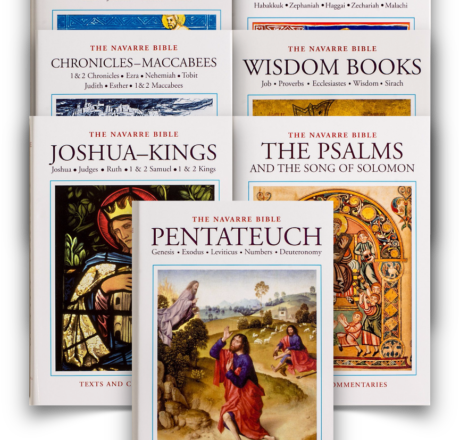
7:1-17. Nathan is a court prophet who will also appear in later accounts connected with Solomon and Bathsheba, his mother (cf. 2 Sam 12:1-25 and 1 Kings 1:11-40). As prophet he is God’s spokesman (he twice uses the classic formulation, “Thus says the Lord”: vv. 5 and 8); here he has to oppose the king’s plans (vv. 5-7); he proclaims a message which cannot but have its effect on the listener because the word of God is true and it always comes to pass.
Nathan’s prophecy is particularly important: it decides who will succeed David, and it has to do with the Messiah, who will be a descendant of David. What he says has all the formality of an oracular statement; it conforms the dynastic succession and specifies the role of the temple among God’s chosen people.
For pagan peoples (Egyptian, Assyrian, Babylonian etc.) the temple was the centre of their world and the focus of their religious spirit; it was there that they kept their gods. In Israel, on the other hand, the temple will have quite a different role. It is based on the fact that the true God is not content with a temple; he has no need of a house in which to dwell (cf. 1 Kings 8:27). If he allows there to be sanctuaries or shrines (cf. Gen 28:20-22), the desert tabernacle or tent (cf. Ex 33:7-11) and later the temple of Jerusalem (cf. 1 Kings 8:1-66), these are only signs of his presence among the people, not a habitation that he in any sense needs. Nathan’s prophecy shows that it is not so much the temple as the Davidic dynasty that is the sign of divine presence and protection that God has set up from the start. Hence the play on words between “house of God” (temple) and “house of David” (dynasty).
The hereditary monarchy, then, is the centre of Nathan’s prophecy. If Michal’s sterility cut off the line of succession from Saul, the prophecy assured that David’s line would endure. From the central part of the prophecy (vv. 13-16) we can see that every descendant of David, the figure of the future Messiah, will have the following qualities:
a) He will be a son to God (v. 14a). This is not natural, human, sonship; it refers to the closeness of the relationship between God and the king (cf. Ps 2:7; 89:26-27), so that the person and rule of the king will symbolize the presence of God and the active role he plays in the life of the people. The king’s sonship to God, then, is an expression of the covenant established between God and David’s line. God commits himself to act towards the king as a good father to his son. Jesus will bring these words and this covenant to full fruition, for he is the “eternal Son of God” made man (cf. Gal 4:4). Whereas he is the Son of God by natural generation, all the baptized are “sons in the Son”: “For this is the very reason why the Word became flesh, why the Son of God became the Son of man: so that man, by entering into communion with the Word and thereby partaking of divine filiation, might be converted into a son of God” (St Irenaeus, Adversus haereses, 3, 19, 1; cf. Catechism of the Catholic Church, 460).
b) He will be punished when necessary, but the punishment will be only temporary (14b-15), that is, David’s line will not be cut off as happened to Saul, nor will any dethronement last, because the love of God will always win out. In the light of this oracular statement, any misfortunes of the people, even the exile in Babylon, despite being punishment for their sins, will be above all a proof of God’s mercy. The death of Jesus on the cross, though caused by the sins of men, is above all a proof of the love of God who gave up his Son (cf. Rom 8:32), and of the love of Jesus who gave himself up on men’s behalf (cf. Rom 4:25; Eph 5:25).
c) The Davidic dynasty will endure forever (vv. 12-13, 15-16). The title “son of David” will refer not only to genealogical descent but also to the fact that the holder is the beneficiary of this promise and of the Davidic covenant (cf. 1 Kings 8:25; Ps 132:10-18; Jer 17:24-27; Ezek 34:23-24; etc.). After the exile this is the title which is most often applied to the Messiah, and the writers of the New Testament, of course, are at pains to point out that Jesus is the “son of David” (cf. Mt 1:1; 9:27; Rom 1:3). The liturgy of the Solemnity of St Joseph, Husband of the Blessed Virgin, includes this text, because it is he who is the guarantor of the Davidic descent of Jesus (Mt 1:20) through being “of the house of David” (Lk 1:27).
From: Mark 4:1-20
Parable of the Sower. The Meaning of the Parables
--------------------------------------------------
[1] Again He (Jesus) began to teach beside the sea. And a very large crowd gathered about Him, so that He got into a boat and sat in it on the sea; and the whole crowd was beside the sea on the land. [2] And He taught them many things in parables, and in His teachings He said to them: [3] "Listen! A sower went out to sow. [4] And as he sowed, some seed fell along the path, and the birds came and devoured it. [5] Other seed fell on rocky ground, where it had not much soil, and immediately it sprang up, since it had no depth of soil; [6] and when the sun rose it was scorched, and since it had no root it withered away. [7] Other seed fell among thorns and the thorns grew up and choked it, and it yielded no grain. [8] And other seeds fell into good soil and brought forth grain, growing up and increasing and yielding thirtyfold and sixtyfold and a hundredfold." [9] And He said, "He who has ears to hear, let him hear."
[10] And when He was alone, those who were about Him with the Twelve asked Him concerning the parables. [11] And He said to them, "To you has been given the secret of the Kingdom of God, but for those outside everything is in parables; [12] so that they may indeed see but not perceive, and may indeed hear but not understand; lest they should turn again, and be forgiven." [13] And He said to them, "Do you not understand this parable? How then will you understand all the parables? [14] The sower sows the word. [15] And these are the ones along the path, where the word is sown; when they hear, Satan immediately comes and takes away the word which is sown in them. [16] And these in like manner are the ones sown upon rocky ground, who, when they hear the word, immediately receive it with joy; [17] and they have no root in themselves, but endure for a while; then, when tribulation or persecution arises on account of the word, immediately they fall away. [18] And others are the ones sown among thorns; they are those who hear the word, [19] but cares of the world, and the delight in riches, and the desire for other things, enter in and choke the word, and it proves unfruitful. [20] But those that were sown upon the good soil are the ones who hear the word and accept it and bear fruit, thirtyfold and sixtyfold and a hundredfold."
***********************************************************************
Commentary:
1-34. Parables are a special method of preaching used by Jesus. By means of them He gradually unfolds before His listeners the mysteries of the Kingdom of God. Cf. note on Matthew 13:3. Chapter 4 of St. Mark, although much shorter, is the equivalent of chapter 13 of St. Matthew and chapter 8:4-18 of St. Luke, which is the shortest synoptic account of the Kingdom parables.
1-9. The ordinary Christian, who seeks holiness in his ordinary work, must be moved to find how often our Lord uses in His parables examples taken from work situations: "In His parables on the Kingdom of God, Jesus Christ constantly refers to human work: that of the shepherd (e.g. John 10:1-6), the farmer (Mark 12:1-12), the doctor (cf. Luke 4:32), the sower (cf. Mark 4:1-9), the householder (cf. Matthew 13:52), the servant (cf. Matthew 24:25; Luke 12:42-48), the steward (cf. Luke 16:1-8), the fisherman (cf. Matthew 13:47-50), the merchant (cf. Matthew 13:45-46), the laborer (cf. Matthew 20:1-16). He also speaks of the various forms of women's work (cf. Matthew 13:33; Luke 15:8-9). He compares the apostolate to the manual work of harvesters (cf. Matthew 9:37; John 4:35-38) or fishermen (cf. Matthew 4:19). He refers to the work of scholars too (cf. Matthew 13:52)" (John Paul II, "Laborem Exercens", 26).
3-9. With the parable of the sower Jesus wants to move His listeners to open their hearts generously to the word of God and put it into practice (cf. Luke 11:28). God expects the same docility also from each of us: "It is a vivid scene. The Divine Sower is also sowing His seed today. The work of salvation is still going on, and our Lord wants us to share that work. He wants Christians to open to His love all the paths of the earth. He invites us to spread the Divine message, by both teaching and example, to the farthest corners of the earth [...]. If we look around, if we take a look at the world, which we love because it is God's handiwork, we will find that the parable holds true. The word of Jesus Christ is fruitful, it stirs many souls to dedication and fidelity. The life and conduct of those who serve God have changed history. Even many of those who do not know our Lord are motivated, perhaps unconsciously, by ideals which derive from Christianity."
"We can also see that some of the seed falls on barren ground or among thorns and thistles; some hearts close themselves to the light of faith. Ideals of peace, reconciliation and brotherhood are widely accepted and proclaimed, but all too often the facts belie them. Some people are futilely bent on smothering God's voice. To drown it out they use brute force or a method which is more subtle but perhaps more cruel because it drugs the spirit- indifference" (St J. Escriva, "Christ Is Passing By", 150).
The parable of the sower also shows us the wonderful economy of Divine Providence, which distributes various graces among men but gives each person enough to reach salvation: "There was then in the eternal providence an incomparable privilege for the Queen of Queens, Mother of Fair Love, and most singularly perfect. There were also for certain others some special favors. But after this life the sovereign goodness poured an abundance of graces and benedictions over the whole race of mankind and upon the angels; [...] every one received his portion as of seed which falls not only upon good ground but upon the highway, amongst thorns, and upon rocks, that all might be inexcusable before the Redeemer, if they enjoy not this most abundant redemption for their salvation" (St. Francis de Sales, "Treatise on the Love of God", Book 2, Chapter 7).
11-12. The Kingdom of God is a mystery. If the Twelve know it, it is simply because the mercy of God has revealed it to them, not because they are better able, by themselves, to understand the meaning of the parables.
Jesus' use of parables had many advantages: firstly, because typically the human mind grasps concepts by first working on sense-information: in His teaching Christ often clothes spiritual things in corporal images. Secondly, Sacred Scripture is written for everyone, as St. Paul says: "I am under obligation ...both to the wise and to the foolish" (Romans 1:4): this meant it made sense for him to put forward even the deepest truths by using comparisons--so that people could more easily grasp what he meant (cf. St. Thomas Aquinas, "Summa Theologiae I", q. 1, a.9).
The disciples are distinguished here from "those outside" (verse 11)—an expression which Jews applied to Gentiles, and which Jesus here applies to those Jews who do not want to understand the signs which He performs (cf. Luke 12:41).
Later on, our Lord does give His disciples even more exact instruction about the content of the parables. But, since the Jews do not want to accept the signs He performs, in them are fulfilled the words of the prophet Isaiah (6:9-10). The parables, which were an expression of our Lord's mercy, were the occasion for His condemning incredulous Jews, whose sins He cannot forgive because they do not wish to see or listen or be converted.
17. "They fall away": they are "scandalized": the word "scandal" originally refers to a stone or obstacle which could easily cause one to trip. Here, in the language of morality, it is used to refer to anything which leads others to commit sin (cf. note on Matthew 18:1-7). The word is also applied in a broader sense to anything which could be an occasion of sin--e.g. sorrow and tribulation. In this passage, falling away or being scandalized means being demoralized, stumbling, giving in and falling. If a person maliciously professes to be shocked by a good action, he is guilty of "pharisaical" scandal: that is what St. Paul means when he says that the cross of Christ was a stumbling-block to Jews, who refused to grasp that the saving plans of God were to be effected through pain and sacrifice (cf. 1 Corinthians 1:23; cf. also Mark 14:27; Matthew 16:23).
Disclaimer: Opinions posted on Free Republic are those of the individual posters and do not necessarily represent the opinion of Free Republic or its management. All materials posted herein are protected by copyright law and the exemption for fair use of copyrighted works.