
Posted on 01/19/2026 7:45:44 AM PST by fidelis
The disciples of John and of the Pharisees were accustomed to fast. People came to Jesus and objected, “Why do the disciples of John and the disciples of the Pharisees fast, but your disciples do not fast?” Jesus answered them, “Can the wedding guests fast while the bridegroom is with them?” Mark 2:18–19
Fasting was common in Old Testament times. Its purpose was to express repentance, mourning, or preparation for divine intervention. This was especially true among John the Baptist’s disciples who fasted in response to John’s call to repentance and preparation for the coming of the Messiah.
Though the Pharisees fasted, their fasting was often for show, to illustrate a false piety. Recall the Pharisee’s prayer in the Parable of the Pharisee and the Tax Collector: “The Pharisee took up his position and spoke this prayer to himself, ‘O God, I thank you that I am not like the rest of humanity...’” (Luke 18:11–12).
In today’s Gospel, Jesus explains that His disciples do not fast now, but that a day is coming when they will need to fast. Jesus explains this within the context of revealing His divine identity as the Bridegroom of God’s people.
Through the prophets, God often described His relationship with His people in terms of a marriage covenant. Isaiah said, “For your husband is your Maker;...” (Isaiah 54:5). Hosea prophesied, “I will betroth you to me forever...” (Hosea 2:22–23).
While Jesus, the Bridegroom, was with them physically, His disciples were at their wedding banquet, celebrating the new marriage covenant God was establishing with them. It was inappropriate to fast at such a banquet. However, “the days will come when the bridegroom is taken away from them,...” (Mark 2:20). This is a reference to Jesus’ Passion, Death, and Ascension. He prophesied that once the New Marital Covenant was sealed in His Blood and His earthly mission completed, “they will fast on that day.” That day is today!
In the early Church, fasting was also common: “While they were worshiping the Lord and fasting...” (Acts 13:2–3). In this instance, fasting helped the teachers and prophets in Antioch discern Saul and Barnabas’ mission in preparation for sending them forth.
Today, Jesus not only calls us to regular forms of fasting and mortification, doing so is an essential part of our spiritual journey. This teaching is clear in the New Testament... “fasted for forty days and forty nights” (Matthew 4:2). This models for us the value of fasting as we attempt to fulfill our missions and overcome the temptations of the evil one.
If we want to imitate our Lord, deepen our covenantal bond with Him, and further His mission, then we must regularly fast. Though fasting is only required twice a year—on Ash Wednesday and Good Friday—we are encouraged to do so weekly, especially on Fridays, uniting this practice to our prayer life.
Reflect today on your practice of fasting and other forms of regular mortification. Fasting is an interior discipline that unites us to the suffering Christ and prepares our hearts to receive His abundant grace. By helping us overcome the enticements of the flesh and distractions of this world, fasting refocuses our souls on the eternal wedding feast that awaits us in Heaven. Embrace fasting not as a burden, but as a joyful opportunity to grow in holiness, deepen your covenantal relationship with the Bridegroom, and prepare more fully for the mission on which He sends you.
My Lord and Bridegroom, through the shedding of Your Blood, You have established a New Covenant of love and salvation with me. I long to deepen this covenant and remain faithful to the mission You have entrusted to me. When I am tempted by the disorder of my appetites or distracted by the allurements of the world, remind me of the necessity and grace of fasting. Help me to embrace this holy practice with joyful anticipation of its spiritual rewards and with greater trust in Your providence. Jesus, I trust in You.
Please keep in mind that this is a Catholic Caucus/Devotional thread for the purpose of prayerful reflection on the Sacred Scriptures and is closed to debate of any kind. Per FR policy on Religion Caucus threads, off-topic, argumentative, and abusive comments are not allowed and will be submitted to the Mods for deletion. Thanks, and God bless you.
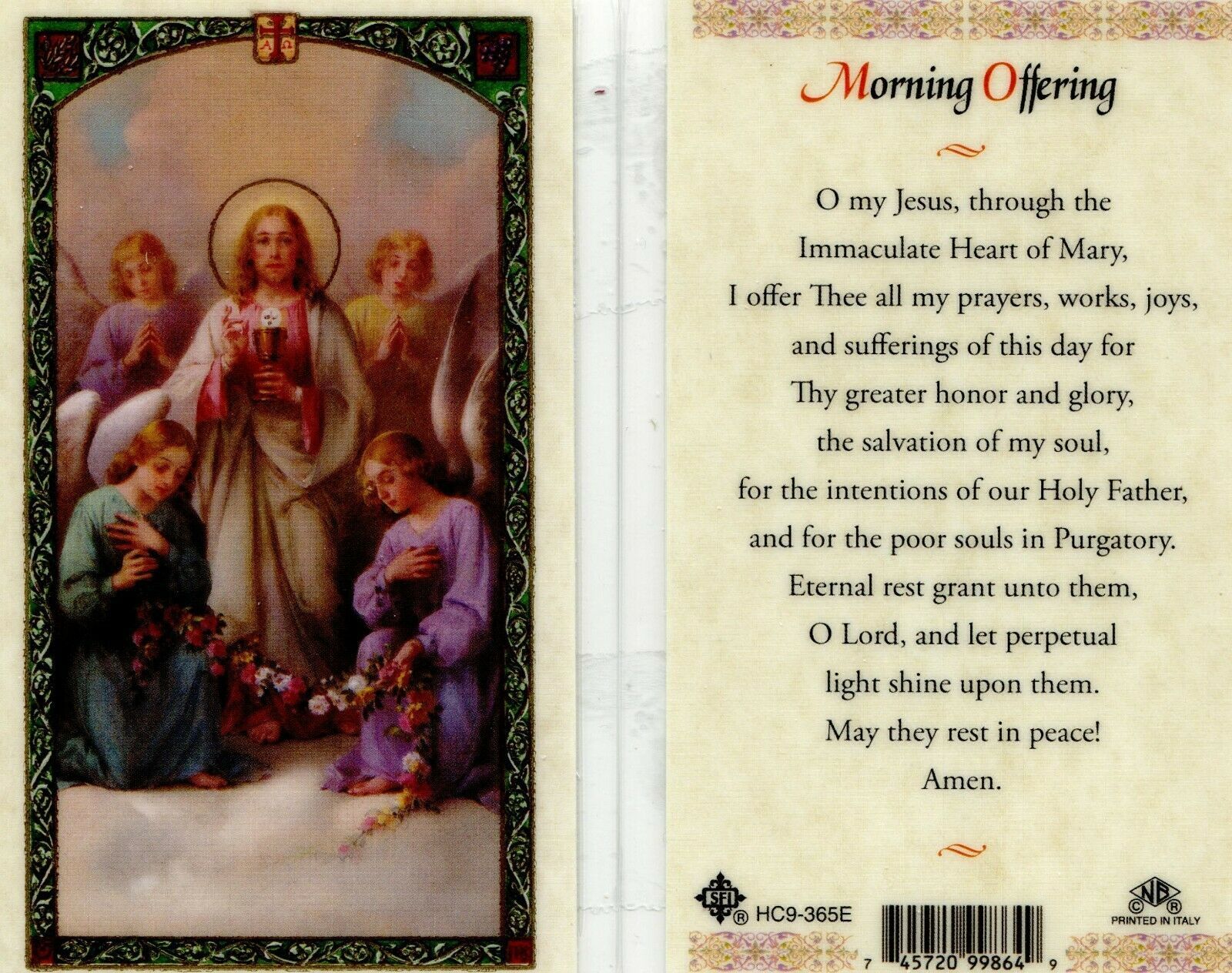
The Month of January is Dedicated to the Holy Name of Jesus

“At the name of Jesus every knee should bow, of those in heaven, and of those on earth, and of those under the earth, and that every tongue should confess that Jesus Christ is Lord, to the glory of God the Father.” (Philippians 2:10-11)

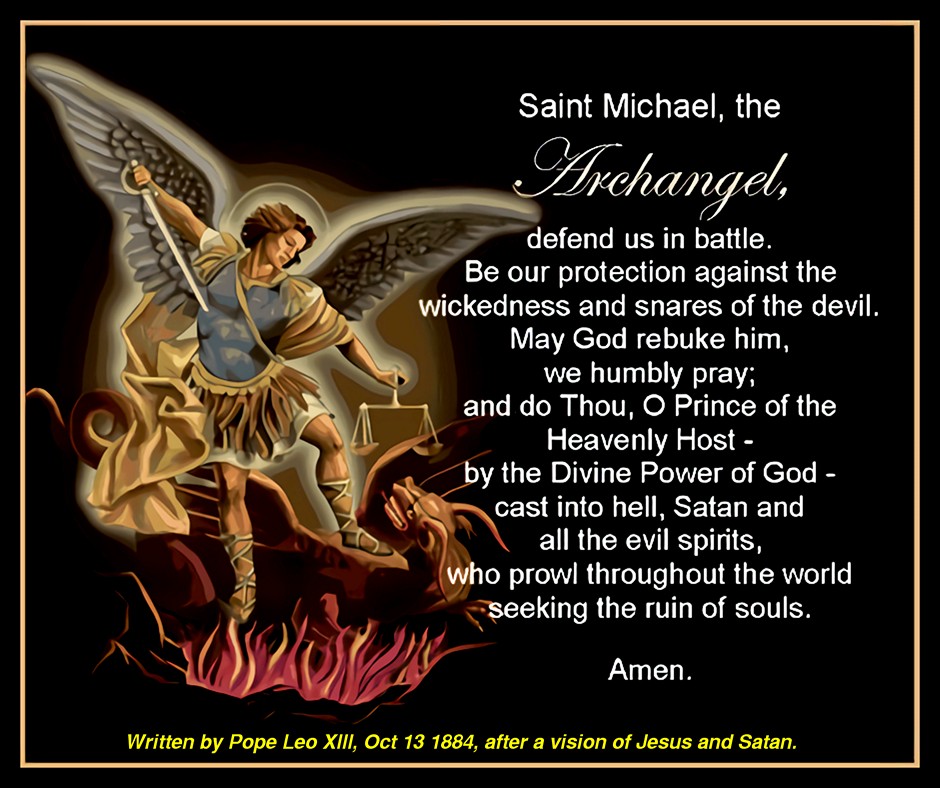
Pope Leo XIV’s monthly prayer intention for the month of January, 2026:
For prayer with the Word of God
Let us pray that praying with the Word of God be nourishment for our lives and a source of hope in our communities, helping us to build a more fraternal and missionary Church.

Today’s First Reading
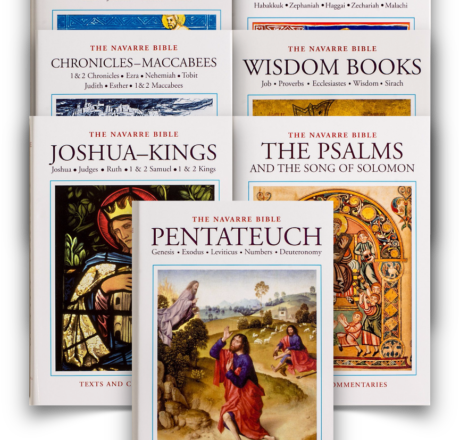
From: 1 Samuel 15:16-23
Saul Is Again Condemned by Samuel (Continuation)
------------------------------------------------
[16] Then Samuel said to Saul, “Stop! I will tell you what the LORD said to me this night.” And he said to him, “Say on.”
[17] And Samuel said, “Though you are little in your own eyes, are you not the head of the tribes of Israel? The LORD anointed you king over Israel. [18] And the LORD sent you on a mission, and said, ‘Go, utterly destroy the sinners, the Amalekites, and fight against them until they are consumed.’ [19] Why then did you not obey the voice of the LORD? Why did you swoop on the spoil, and do what was evil in the sight of the LORD?” [20] And Saul said to Samuel, “I have obeyed the voice of the LORD, I have gone on the mission on which the LORD sent me, I have brought Agag the king of Amalek, and I have utterly destroyed the Amalekites. [21] But the people took of the spoil, sheep and oxen, the best of the things devoted to destruction, to sacrifice to the LORD your God in Gilgal.” [22] And Samuel said, “Has the LORD as great delight in burnt offerings and sacrifices, as in obeying the voice of the LORD? Behold, to obey is better than sacrifice, and to hearken than the fat of rams. [23] For rebellion is as the sin of divination, and stubbornness is as iniquity and idolatry. Because you have rejected the word of the LORD, he has also rejected you from being king."
***********************************************************************
Commentary:
15:1-35. The battle against the Amalekites is the occasion for Saul to be rejected by God forever. The episodes dealt with up to this have built up evidence of Saul’s sins, particularly his lack of trust in God. However, here his disobedience is clear to see.
This account contains echoes of earlier divine condemnations. The Lord “repents” (an anthropomorphic expression) having made Saul king (v. 11), as he earlier “was sorry” for having created man (Gen 6:6); Saul’s rejection of God’s plans (vv. 11, 23, 26) led to his rejection by God. Saul’s access to the throne is blocked, just as the gates of Paradise were closed on Adam (Gen 3:23-24). As in the case of Adam, God’s punishment of Saul is severe and there will be no going back on it, for Saul’s is a very grave sin, that is, a sin of rebellion and of rejection of God and his word (v. 26).
From this point on, even though he knows that the Lord does not acknowledge his kingship, Saul will continue to be king in name, because the sentence given against him was told him by Samuel in secret (vv. 30-31), just as his first anointing was done in secret (cf. 10:1-16).
15:22-23. Samuel’s oracular pronouncement, given in verse form here, is one of the oldest of its kind in the Bible. From the literary point of view it is very beautiful; and it also provides a clear definition of obedience, which it identifies with acknowledgment of God: obedience is the most perfect form of divine worship--more perfect than the offering of sacrifice; disobedience is a form of idolatry. The sentence against Saul is harsh and unambiguous; it applies the ancient law of vengeance (“an eye for an eye...”), “rejection” being referred to in the fault and in its sentence.
This short canticle in praise of obedience finds an echo in the Northern prophets (Amos 5:2.1 and Hos 6:6) and it will be updated by Jesus (Mt 9:13) who gives the fullest definition of the meaning of obedience to God and those who represent him. “Obedience, and holy obedience alone, gives us a clear view of the will of God. Superiors may make mistakes, but we can never err in obeying” (St Maximilian Kolbe, "Letters", in "The Divine Office", Office of Readings, 14 August).
From: Mark 2:18-22
A Discussion on Fasting
-----------------------
[18] Now John's disciples and the Pharisees were fasting; and people came and said to Him (Jesus): "Why do John's disciples and the disciples of the Pharisees fast, but Your disciples do not fast?" [19] And Jesus said to them, "Can the wedding guests fast while the bridegroom is with them? As long as they have the bridegroom with them, they cannot fast. [20] The days will come, when the bridegroom is taken away from them, and then they will fast in that day. [21] No one sews a piece of unshrunk cloth on an old garment; if he does, the patch tears away from it, the new from the old, and a worse tear is made. [22] And no one puts new wine into old wineskins; if he does, the wine will burst the skins, and the wine is lost, and so are the skins; but new wine is for fresh skins."
***********************************************************************
Commentary:
18-22. Using a particular case, Christ's reply tells about the connection between the Old and New Testaments. In the Old Testament the Bridegroom has not yet arrived; in the New Testament He is present, in the person of Christ. With Him began the Messianic Times, a new era distinct from the previous one. The Jewish fasts, therefore, together with their system of religious observances, must be seen as a way of preparing the people for the coming of the Messiah. Christ shows the difference between the spirit He has brought and that of the Judaism of His time. This new spirit will not be something extra, added on to the old; it will bring to life the perennial teachings contained in the older Revelation. The newness of the Gospel--just like new wine--cannot fit within the molds of the Old Law.
But this passage says more: to receive Christ's new teaching people must inwardly renew themselves and throw off the straight-jacket of old routines.
19-20. Jesus describes Himself as the Bridegroom (cf. also Luke 12:35; Matthew 25:1-13; John 3:29), thereby fulfilling what the Prophets had said about the relationship between God and His people (cf. Hosea 2:18-22; Isaiah 54:5ff). The Apostles are the guests at the wedding, invited to share in the wedding feast with the Bridegroom, in the joy of the Kingdom of Heaven (cf. Matthew 22:1-14).
In verse 20 Jesus announces that the Bridegroom will be taken away from them: this is the first reference He makes to His passion and death (cf. Mark 8:31; John 2:19; 3:14). The vision of joy and sorrow we see here epitomizes our human condition during our sojourn on earth.
Disclaimer: Opinions posted on Free Republic are those of the individual posters and do not necessarily represent the opinion of Free Republic or its management. All materials posted herein are protected by copyright law and the exemption for fair use of copyrighted works.


