
Posted on 01/09/2026 8:11:36 AM PST by fidelis
It happened that there was a man full of leprosy in one of the towns where Jesus was; and when he saw Jesus, he fell prostrate, pleaded with him, and said, “Lord, if you wish, you can make me clean.”
Luke 5:12
What a perfect prayer! This leper, likely shunned by the townspeople, including his own family, had been reduced to a life of isolation and rejection. Some might have pitied him, but out of fear of contracting his dread disease, they kept their distance. The emotional and social isolation he endured would have been even more painful than the physical suffering caused by leprosy.
This miracle takes place shortly after the people in Jesus’ hometown of Nazareth rejected Him. The Nazarenes’ rejection stemmed from a sense of entitlement; they saw themselves as God’s chosen people and thus believed they were entitled to His grace and blessings. When Jesus confronted their false beliefs, they became hostile and even attempted to kill Him. As a result, He left Nazareth and continued His ministry in Capernaum and other towns.
Jesus did not perform miracles to impress others or to win their esteem. Instead, He performed miracles for those who already exhibited deep faith. The miracles were not only intended to reveal His identity but were primarily acts of love meant to invite the faithful to believe more deeply. This leper is a perfect example of such faith.
First, the man approached Jesus and “fell prostrate” before Him. In doing so, he professed his faith in Jesus as the Messiah. This act of faith was enough to open the floodgates of God’s blessings. The leper believed and worshiped first, and because of this, God’s grace was poured out upon him. Too often, we seek blessings first, as if we are entitled to anything from God. We might say, “Please do me this favor, Lord, and then I will believe.” But that is not how it works. Jesus is God and must be treated as such. Whether we are blessed or not, whether we suffer or not, we must worship God because He is God. This leper understood that.
The leper’s prayer for healing is also a model of humility and trust. He did not directly ask Jesus to heal him. Instead, he professed his faith in Jesus’ ability to heal, saying, “Lord, if you wish, you can make me clean.” This expression of faith unlocked the tender compassion of our Lord, who responded, “I do will it. Be made clean.”
When you pray, do you tell God what He should do for you? Do you present Him with a list of your ideas and expectations? If so, try setting those aside. Begin your prayer by worshiping God simply because He is God. When it comes to your needs, place them before Him with trust, but avoid telling God what to do. God knows what is best for you. Presenting your needs to Him should not be a plea for Him to fulfill your will; rather, it should be an act of trust, believing that He will do what is best according to His will. We must desire nothing other than that.
Reflect today on the example of this leper. Though the disease of leprosy is a dreadful affliction, the leper’s model of prayer is truly admirable. Consider whether you follow his example. Love, worship, and profess your faith in God, and then entrust yourself to His providential care, ready to embrace His will no matter what it may be. This form of holy detachment will unleash God’s mercy and provide you with what you need most—God’s will.
My miraculous Lord, too often I come to You with my needs, telling You what I want You to do for me. Please grant me a humble and faith-filled heart like that of the leper. May my first prayer always be one of worship. May my worship lead to trust so that Your will, not mine, may be done in my life. Jesus, I trust in You.
Please keep in mind that this is a Catholic Caucus/Devotional thread for the purpose of prayerful reflection on the Sacred Scriptures and is closed to debate of any kind. Per FR policy on Religion Caucus threads, off-topic, argumentative, and abusive comments are not allowed and will be submitted to the Mods for deletion. Thanks, and God bless you.
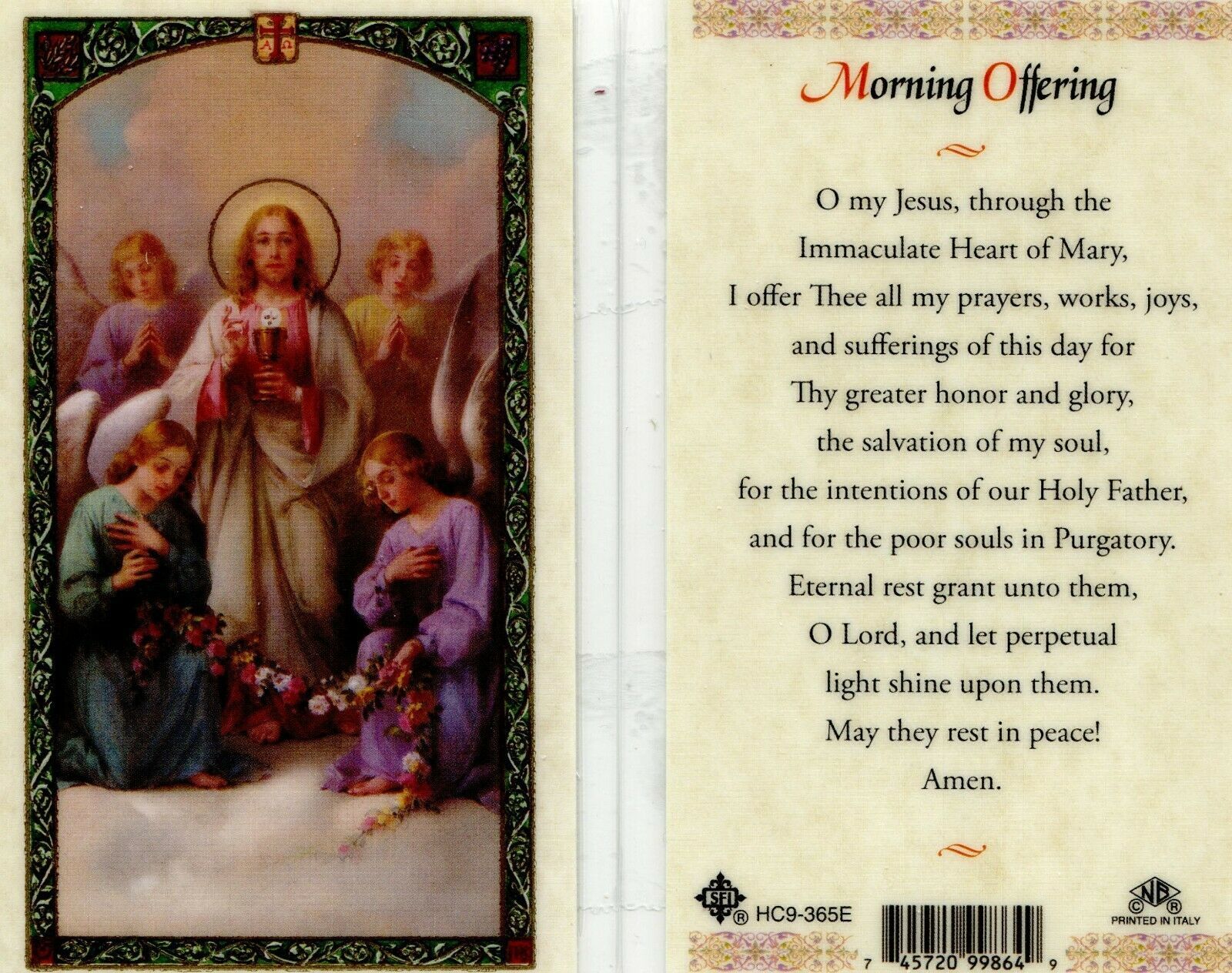
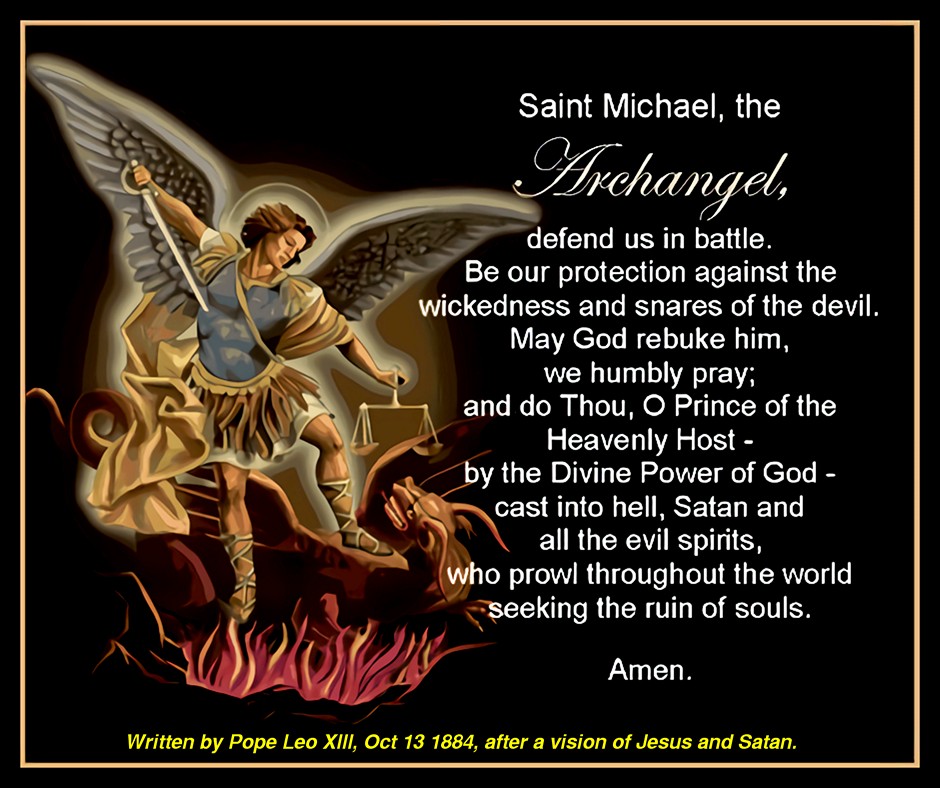
The Month of January is Dedicated to the Holy Name of Jesus

“At the name of Jesus every knee should bow, of those in heaven, and of those on earth, and of those under the earth, and that every tongue should confess that Jesus Christ is Lord, to the glory of God the Father.” (Philippians 2:10-11)

Pope Leo XIV’s monthly prayer intention for the month of January, 2026:
For prayer with the Word of God
Let us pray that praying with the Word of God be nourishment for our lives and a source of hope in our communities, helping us to build a more fraternal and missionary Church.

Today’s First Reading
From: 1 John 5:5-13
Everyone Who Believes in Jesus Overcomes the World
-----------------------------------------------------------------
[5] Who is it that overcomes the world but he who believes that Jesus is the Son of God? [6] This is he who came by water and blood, Jesus Christ, not with the water only but with the water and the blood. [7] And the Spirit is the witness, because the Spirit is the truth. [8] There are three witnesses, the Spirit, the water, and the blood; and these three agree. [9] If we receive the testimony of men, the testimony of God is greater, for this is the testimony of God that he has borne witness to his Son. [10] He who believes in the son of God has the testimony in himself. He who does not believe God has made him a liar, because he has not believed in the testimony that God has borne to his Son. [11] And this is the testimony, that God gave us eternal life, and this life is in his Son. [12] He who has the Son has life; he who has not the Son of God has not life.
Epilogue
--------
[13] I write this to you who believe in the name of the Son of God, that you may know that you have eternal life.
***********************************************************************
Commentary:
1-5. The fifth chapter is a summary of the entire letter, focusing on faith in Jesus Christ (vv. 6-12) and the confidence that faith gives (vv. 13-21). In the opening verses (vv. 1-5) St John points to some consequences of faith: he who believes in Christ is a child of God (v. 1); he loves God and men, his brothers (v. 2); he keeps the commandments (v. 3) and shares in Christ's victory over the world (vv. 4-5).
6. The "water" and the "blood" have been interpreted in different ways, depending on whether they apply (following the more literal meaning) to events in the life of Christ, or are regarded as symbols of particular sacraments. The water, if referred to the life of Christ, would be an allusion to our Lord's baptism (cf. Mt 3:13-17 and par.), where the Father and the Holy Spirit bore witness to Christ's divinity; the blood would refer to the Cross, where Christ, God and true man, shed his blood to bring Redemption. According to this interpretation, St John is answering the Gnostics, who said that Jesus of Nazareth became the Son of God through baptism and ceased to be the Son of God prior to his passion: therefore, only the man Jesus, devoid of divinity, died on the Cross; which would be a denial of the redemptive value of Christ's death.
Understood as symbols of the sacraments, the water would refer to Baptism (cf. In 3:5), where we receive the Holy Spirit and the life of grace (cf. Jn 7:37-39); the blood would apply to the Eucharist, where we partake of the blood of Christ in order to have life in us (cf. Jn 6:53, 55, 56). Jesus came on earth to give his life for men (cf. Jn 10:10); we obtain that life in the first instance by means of the living water of Baptism (cf. Jn 4:14; 7:37ff); and also by the application of the blood of Christ, which cleanses us from all sin (cf. 1 Jn 1:7; 2:2; 4:10).
The two interpretations are compatible with one another, given that sacraments are sensible signs of the supernatural effects of Christ's redemptive death. Referring to Baptism, Tertullian wrote: "We have also a second laving, and it too is unique--the baptism with blood. The Lord spoke of this when he said, 'I have a baptism to be baptized with' (Lk 12:50), having had already been baptized once. So, he did come 'by water and blood' (1 In 5:6), as John writes, in order to be bathed by the water and glorified by the blood, in order to make us (who are called by water) chosen ones through blood. These two baptisms spring from the wound in his pierced side; so it is that those who believed in his blood would be washed by the water; those who were washed in the water would also drink of the blood" ("De Baptismo", XVI).
7-8. The Sistine-Clementine edition of the Vulgate included an addition which left the text reading as follows: "There are three who give witness in heaven: the Word, and the Holy Spirit; and these three are one. And there are three who give witness on earth. the Spirit, the water, and the blood; and these three agree." The words shown in italics (known as the Johannine "comma" or addition) were the subject of heated debate (around the end of the nineteenth century) as to their authenticity. The Holy Office (as was) left theologians free to research the matter (cf. "Declaration", 2 June 1927) and in fact it has been shown that the "comma" was introduced in Spain around the fourth century AD in a text attributed to Priscillian, and therefore does not belong to the original inspired text. The "comma" makes express mention of the Blessed Trinity; however, even without it the text proclaims that mystery of faith fairly clearly: it makes mention of Jesus Christ, the Son of God (vv. 5-6), and of the Holy Spirit (v. 7) and of the Father, both of whom bear witness to the Son (v. 9).
According to the legal prescriptions of the Old Testament, the testimony of one witness was insufficient at trials (Deut 17:6; cf. Jn 8:17). St John points to three witnesses (the Holy Spirit, water and blood), thereby refuting the Gnostic teaching; he is saying that the water and the blood, that is, Christ's baptism and his death on the Cross, are a manifestation of his divinity. Clearly the word "witness" is used here in a broad sense: namely, in the sense that at those two important moments in his life, Christ makes known to us that he is true God.
The Fathers who interpreted these words as referring to the sacraments usually comment on the fact that in the sacraments the grace of God is communicated internally and is signaled externally. St Bede writes along those lines: "The Holy Spirit makes us adoptive sons of God; the water of the sacred fount cleanses us; the blood of the Lord redeems us: the spiritual sacrament gives us a dual witness, one visible, one invisible" ("In I Epist. S. Ioannis, ad loc.").
9-12. In his characteristic style St John strings together a series of short phrases (and their opposites, as contrasts) which are full of meaning. In a very few words, he enunciates three important truths, which he expects Christians to be very familiar with: 1) God the Father has borne witness to his Son (v. 9); 2) this witness brings an obligation with it; if one does not believe one is making God out to be a liar (v. 10); 3) God has given us life in Christ (vv. 11-12).
Earlier the Apostle pointed out that faith in Jesus can be the object of reason because it is based on external proofs, and that its fruit is supernatural life (cf. 1 Jn 1 :1-5). Now he adds that in addition to the aforementioned witnesses--the Spirit, the water and the blood (vv. 6-8)--God the Father bears witness. Although John does not expressly say so, it is clear that God bore witness to Jesus throughout his earthly life: Jesus' words, miracles, passion and death, and his resurrection are evidence God has supplied of Christ's divinity. The believer "has the testimony [of God] in him" (v. 10), within him, insofar as he accepts and makes the Christian message (Revelation) his own, convinced that it comes from God, who cannot deceive or be deceived. In his turn, he who believes in Jesus Christ manifests his faith to others, passing on to them the conviction that Jesus is true God.
Faith produces the fruit of supernatural life, which is the seed and first-fruit of eternal life (cf. 11-12); that life can be given us only by Jesus Christ, our Savior. "To those of us who are still making our pilgrim way in this life has been given the hope of eternal life, which we shall only receive in its full form in heaven when we reach Him" ("In I Epist. S. Ioannis, ad loc.").
13-21. St John's words in v. 13 are evocative of the first epilogue to his Gospel, where he explains why he wrote that book: "that you may believe that Jesus is the Christ, the Son of God, and that believing you may have life in his name" (Jn 20:31). In this verse of the letter, the Apostle stresses the efficacy of faith, which is already an anticipation of eternal life (cf. notes on 1 Jn 3:2; 5:9-12).
His final counsels are designed to strengthen our confidence in prayer and to urge the need for prayer on behalf of sinners (vv. 14-17); they also stress the conviction and confidence that faith in the Son of God gives the believer (vv. 18-21).
From: Luke 5:12-16
The Cure of a Leper
-------------------
[12] While he (Jesus) was in one of the cities, there came a man full of leprosy; and when he saw Jesus, he fell on his face and besought him, "Lord, if you will, you can make me clean." [13] And he stretched out his hand, and touched him, saying, "I will; be clean." And immediately the leprosy left him. [14] And he charged him to tell no one; but "go and show yourself to the priest, and make an offering for your cleansing, as Moses commanded, for a proof to the people." [15] But so much the more the report went abroad concerning him; and great multitudes gathered to hear and to be healed of their infirmities. [16] But he withdrew to the wilderness and prayed.
***********************************************************************
Commentary:
12. The words of the leper are a model prayer. First, they show his faith. "He did not say, 'If you ask God for it...', but 'If you will"' (Chrysostom, "Hom. on St Matthew", 25). He rounds this off by saying, "You can"--an open confession of Christ's omnipotence. The psalmist expressed this same faith: "Whatever the Lord pleases he does, in heaven and on earth, in the seas and in the deep" (Ps 135:6). Along with this faith he shows confidence in God's mercy. "God is merciful; there is no need therefore to ask him; all we have to do is show him our need" (St Thomas Aquinas, "Commentary on St Matthew", 8, 1). And St John Chrysostom concludes: "Prayer is perfect when it is joined to faith and confession; the leper showed his faith and confessed his need out loud" ("Hom. on St Matthew", 25).
"'Domine!—Lord—"si vis, potes me mundare"—If thou wilt, thou canst make me clean.' What a beautiful prayer for you to say often, with the faith of the poor leper, when there happens to you what God and you and I know! You will not have to wait long to hear the Master's reply: '"Volo, mundare!" I will: be thou made clean!"' (St J. Escriva, "The Way", 142).
13. Jesus listens to the leper's petition and cures him of his disease. All of us suffer from spiritual ailments and our Lord is waiting for us to approach him: "He is our physician, and he heals our selfishness if we let his grace penetrate to the depths of our soul. Jesus has taught us that the worst sickness is hypocrisy, the pride that leads us to hide our own sins. We have to be totally sincere with him. We have to tell the whole truth, and then we have to say, 'Lord, if you will'—and you are always willing--'you can make me clean' (Mt 8:2). You know my weaknesses; I feel these symptoms; I suffer these failings. We show him the wound, with simplicity, and if the wound is festering, we show the pus too. Lord, you have cured so many souls; help me to recognize you as the divine physician when I have you in my heart or when I contemplate your presence in the tabernacle" (St J. Escriva, "Christ Is Passing By", 93).
16. The Third Gospel frequently draws attention to Jesus going off, alone, to pray (cf. 6:12; 9:18; 11:1). By doing this Jesus teaches us the need for personal prayer in all the various situations in which we find ourselves.
"Forgive me if I insist, but it is very important to note carefully what the Messiah did, because he came to show us the path that leads to the Father. With our Lord we will discover how to give a supernatural dimension to all our actions, even those that seem least important. We will learn to live every moment of our lives with a lively awareness of eternity, and we will understand more deeply man's need for periods of intimate conversation with his God, so as to get to know him, to invoke him, to praise him, to break out into acts of thanksgiving, to listen to him or, quite simply, to be with him" (St J. Escriva, "Friends of God", 239).
Disclaimer: Opinions posted on Free Republic are those of the individual posters and do not necessarily represent the opinion of Free Republic or its management. All materials posted herein are protected by copyright law and the exemption for fair use of copyrighted works.


