
Posted on 01/07/2026 8:18:53 AM PST by fidelis
“Take courage, it is I, do not be afraid!” He got into the boat with them and the wind died down. They were completely astounded. They had not understood the incident of the loaves. On the contrary, their hearts were hardened. Mark 6:50–52
When Jesus appeared to the Apostles, walking on the sea, they were filled with fear. His words to them are the same words He speaks to us: “Take courage, it is I, do not be afraid!” We need to hear those words more often than we realize. Many things in life can cause us to fear, worry, obsess, fall into depression, or even despair. This is because, like the Apostles, we often fail to fully grasp Who God is. As a result, our hearts remain hardened.
A hardened heart is the direct result of not understanding Who God is in our lives. Unless we come to know Him, comprehend His love for us, and place our full trust in Him, our hearts cannot be fully set free. Despite witnessing miracle after miracle, listening to sermon after sermon, and even preaching and performing miracles themselves, the Apostles still did not fully understand and believe. The Gospel tells us that “their hearts were hardened” because “they had not understood the incident of the loaves.”
When Jesus said to His Apostles, “Take courage, it is I, do not be afraid!” He wanted to instill profound faith within them. We must also allow those words to resonate deeply within us. Courage dispels fear. By saying “it is I,” our Lord is revealing, “I AM God!” The Greek phrase ego eimi used here is the same one found in Exodus 3:14 when God reveals His name: “I AM.”
Though we might believe this with our minds, we often fail to let God’s revelation penetrate our hearts and dispel the fears and doubts we face in life.
The symbolism of this Gospel passage is powerful. The sea represents the world, and the waves and the wind symbolize the chaos and turmoil we often encounter within it. The boat is the Church. By walking on the water at night, our Lord reveals His complete mastery over everything in this world. By entering the boat as it was being tossed by the waves and wind, He shows that He is always present within His Church and will bring peace and calm if we let Him.
Reflect today on our Lord looking directly at you and saying, “Take courage, it is I, do not be afraid!” Give your full attention to Him. No matter what struggles you face, no matter the chaos that seems to surround you, there is nothing beyond God’s power. Believe this, do not be afraid, invite Him into your heart, and His peace will abound.
My Lord and great I AM, You are God Almighty. You can calm every storm, heal every wound, restore peace, and give courage in the face of turmoil. Help me to hear You say to me, “It is I, do not be afraid!” I pray that I will never doubt You, never waver in my faith, and always place my trust in You. Jesus, I trust in You.
Please keep in mind that this is a Catholic Caucus/Devotional thread for the purpose of prayerful reflection on the Sacred Scriptures and is closed to debate of any kind. Per FR policy on Religion Caucus threads, off-topic, argumentative, and abusive comments are not allowed and will be submitted to the Mods for deletion. Thanks, and God bless you.
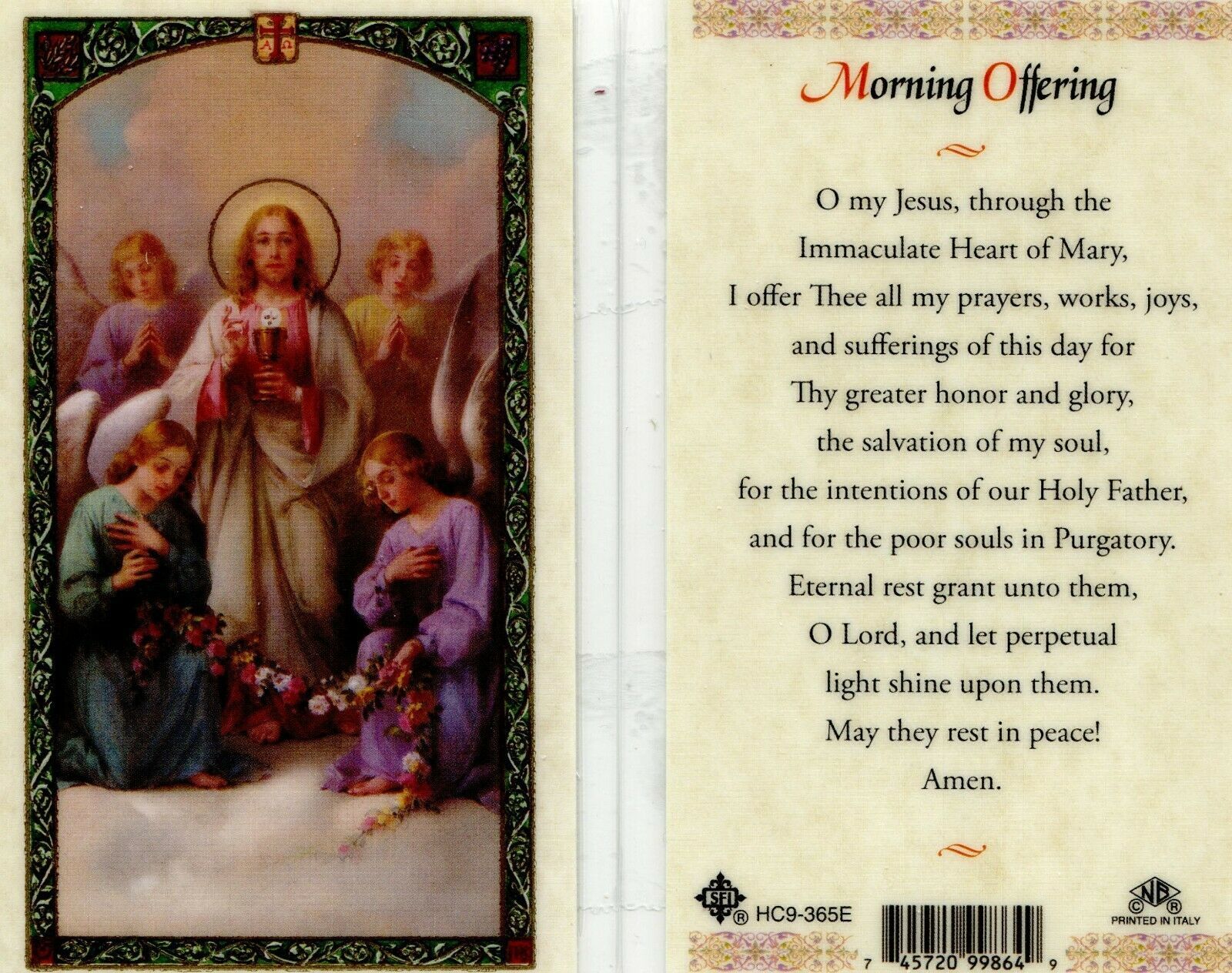
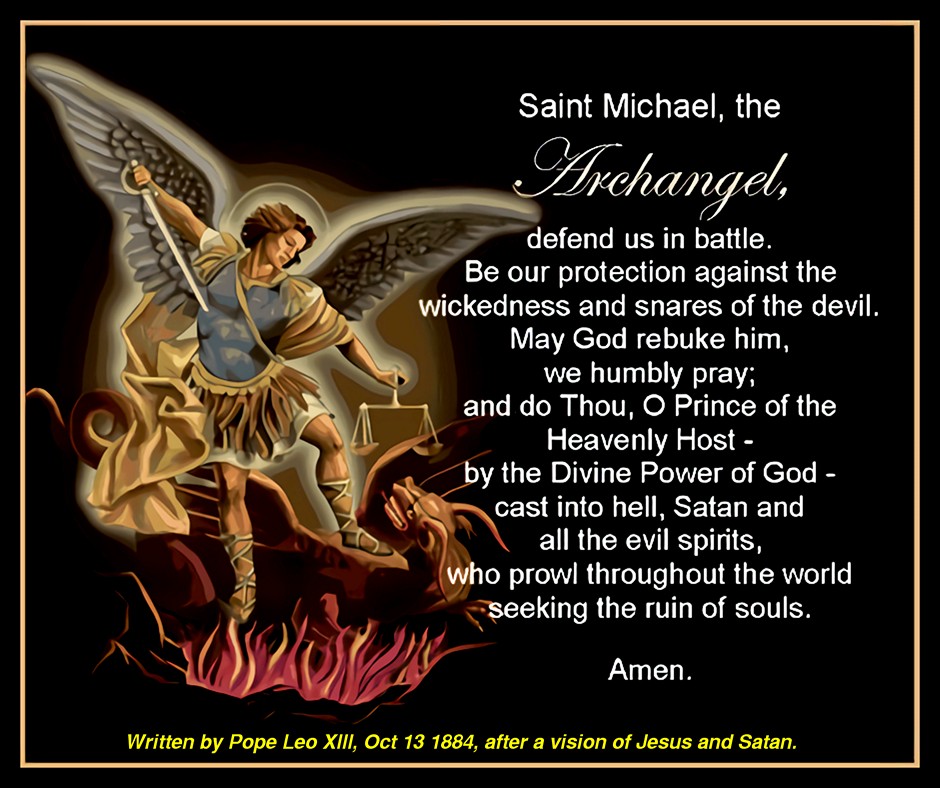
The Month of January is Dedicated to the Holy Name of Jesus

“At the name of Jesus every knee should bow, of those in heaven, and of those on earth, and of those under the earth, and that every tongue should confess that Jesus Christ is Lord, to the glory of God the Father.” (Philippians 2:10-11)

Pope Leo XIV’s monthly prayer intention for the month of January, 2026:
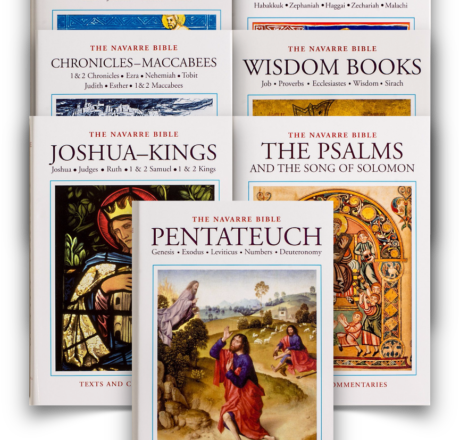
For prayer with the Word of God
Let us pray that praying with the Word of God be nourishment for our lives and a source of hope in our communities, helping us to build a more fraternal and missionary Church.

Today’s First Reading
From: 1 John 4:11-18
God is Love. Brotherly Love, the Mark of Christians
---------------------------------------------------
[11] Beloved, if God so loved us, we also ought to love one another. [12] No man has ever seen God; if we love one another, God abides in us and his love is perfected in us.
[13] By this we know that we abide in him and he in us, because he has given us of his own Spirit. [14] And we have seen and testify that the Father has sent his Son as the Savior of the world. [15] Whoever confesses that Jesus is the Son of God, God abides in him, and he in God. [16] So we know and believe the love God has for us. God is love, and he who abides in love abides in God, and God abides in him. [17] In this is love perfected with us, that we may have confidence for the day of judgment, because as he is so are we in this world. [18] There is no fear in love, but perfect love casts out fear. For fear has to do with punishment, and he who fears is not perfected in love.
***********************************************************************
Commentary:
11-12. The Apostle underlines here the theological basis of brotherly love: the love which God has shown us by the incarnation and redemptive death of his Son, places us in his debt: we have to respond in kind; so we "ought" to love our neighbor with the kind of gratitude and disinterest that God showed by taking the initiative in loving us.
Moreover, by loving one another we are in communion with God. The deepest desire of the human heart, which is to see and to possess God, cannot be satisfied in this life, because "no man has ever seen God" (v. 12); our neighbor, on the other hand, we do see. So, in this life, the way to be in communion with God is by brotherly love. "Love of God is the first thing in the order of commands", St Augustine explains, "and love of neighbor is the first thing in the order of practice [...]. You, who do not yet see God, will, by loving your neighbor, merit to see him. Love of neighbor cleanses our eyes to see God, as John clearly says, If you do not love your neighbor, whom you see, how can you love God, whom you do not see (cf. 1 Jn 4:20)" ("In Ioann. Evang.", 17, 8).
13. Having the gift of the Holy Spirit is the sure sign of being in communion with God. Since the Holy Spirit is the love of the Father and of the Son, his presence in the soul in grace is necessarily something dynamic, that is, it moves the person to keep all the commandments (cf. 3:24), particularly that of brotherly love. This interior impulse shows that the third Person of the Blessed Trinity is at work within us; it is a sign of union with God.
The Holy Spirit's action on the soul is a marvelous and deep mystery. "This breathing of the Holy Spirit in the soul," says St John of the Cross, "whereby God transforms it into himself, is so sublime and delicate and profound a delight to it that it cannot be described by mortal tongue, nor can human understanding, as such, attain to any conception of it" ("Spiritual Canticle", stanza 39).
14-15. Once more (cf. v. 1:4) St John vividly reminds his readers that he and the other Apostles have seen with their own eyes the Son of God, made man out of love for us. They were eyewitnesses of his redemptive life and death. And in the Son, sent by the Father as Savior of the world, the unfathomable mystery of God is revealed--that his very being is Love.
"It is 'God, who is rich in mercy' (Eph 2:4) whom Jesus Christ has revealed to us as Father: it is his very Son who, in himself, has manifested him and made him known to us (cf. Jn 1:18; Heb 1:1f)" (John Paul II, "Dives In Misericordia", 1).
16. "Knowing" and "believing" are not theoretical knowledge but intimate, experienced attachment (cf. notes on 2:3-6; 4:1-6; Jn 6:69; 17:8). Therefore when St John says that they knew and believed "the love God has for us" he is not referring to an abstract truth but to the historical fact of the incarnation and death of Christ (v. 14), the supreme manifestation of the Father's love.
"He who abides in love abides in God, and God abides in him": St Thomas Aquinas explains "that in some way the loved one is to be found in the lover. And so, he who loves God in some way possesses him, as St John says (1 Jn 4:16) [...]. Also, it is a property of love that the lover becomes transformed into the loved one; so, if we love vile and perishable things, we become vile and perishable, like those who 'became detestable like the things they loved" (Hos 9:10). Whereas, if we love God, we are made divine, for the Apostle says, 'He who is united to the Lord becomes one spirit with him' (1 Cor 6:17)" ("In Duo Praecepta", prol., 3).
17-18. The perfection of charity shows itself in serene confidence in God and consequent absence of fear. Love is perfected "in us", as a gratuitous gift from God, but it can also be said that it grows "with" us, thanks to our free response to grace.
Confidence for the day of judgment (cf. also the note on 2:28) is something we should have also in this life; a basis for it is to be found in the daring statement, "...because as he is so are we in this world". This is not just a reference to imitating Christ's virtues or qualities: it means the profound identification with Christ which the Christian should attain: "it is no longer I who live, but Christ who lives in me" (Gal 2:20).
The fear which is incompatible with charity is servile fear, which sees God only as one who punishes those who transgress his commandments. But filial fear, which "is" compatible with charity, is what gives a Christian a deep horror of sin because it is something which cuts him off from the love of God his Father. In the early stages of Christian life, fear of God is very helpful (cf., e.g., Ps 111:10; Sir 1:27): the Council of Trent teaches that sinners "by turning from a salutary fear of divine justice to a consideration of God's mercy, are encouraged to hope, confident that God will be well-disposed to them for Christ's sake" ("De Iustificatione", 6).
18. "The solution is to love", St J. Escriva says. "St John the Apostle wrote some words which really move me: 'qui autem timet, non est perfectus in caritate.' I like to translate them as follows, almost word for word: the fearful man doesn't know how to love. You, therefore, who do love and know how to show it, you musn't be afraid of anything. So, on you go!" ("The Forge", 260).
------------------------------------
Today’s Gospel Reading
From: Mark 6:45-52
Jesus Walks on Water
--------------------
[45] Immediately he (Jesus) made his disciples get into the boat and go before him to the other side, to Bethsaida, while he dismissed the crowd. [46] And after he had taken leave of them, he went into the hills to pray. [47] And when evening came the boat was out on the sea, and he was alone on the land. [48] And he saw that they were distressed in rowing, for the wind was against them. And about the fourth watch of the night he came to them, walking on the sea. He meant to pass by them, [49] but when they saw him walking on the sea they thought it was a ghost, and cried out; [50] for they all saw him, and were terrified. But immediately he spoke to them and said, "Take heart, it is I; have no fear." [51] And he got into the boat with them and the wind ceased. And they were utterly astounded, [52] for they did not understand about the loaves, but their hearts were hardened.
***********************************************************************
Commentary:
48. The Romans divided the night into four parts or watches, whose length varied depending on the season. St Mark (13:35) gives the popular names for these watches: evening, midnight, cockcrow, morning. Therefore, it is towards dawn that Jesus comes to the disciples.
He wishes to teach us that even when we are in very pressurized and difficult situations, he is nearby, ready to help us; but he expects us to make an effort, to strengthen our hope and temper our resolve (cf. note on Mt 14:24-33); as an early Greek commentator puts it: "The Lord allowed his disciples to enter danger to make them suffer, and he did not immediately come to their aid: he left them in peril for the whole night, to teach them to be patient and not to be accustomed to receiving immediate succor in tribulation" (Theophylact, "Enarratio In Evangelium Marci, in loc.").
52. The disciples do not yet see Jesus' miracles as signs of his divinity. They witness the multiplication of the loaves and the fish (Mk 6:33-44) and the second multiplication of the loaves (Mk 8:17), but their hearts and minds are still hardened; they fail to grasp the full import of what Jesus is teaching them through his actions--that he is the Son of God. Jesus is patient and understanding with their defects, even when they fail to grasp what he says when he speaks about his own passion (Lk 18:34). Our Lord will give them further miracles and further teaching to enlighten their minds, and, later, he will send the Holy Spirit to teach them all things and remind them of everything he said (cf. Jn 14:26).
St Bede the Venerable comments on this whole episode (Mk 6:45-52) in this way: "In a mystical sense, the disciples' effort to row against the wind point to the efforts the Holy Church must make against the waves of the enemy world and the outpourings of evil spirits in order to reach the haven of its heavenly home. It is rightly said that the boat was out on the sea and He alone on the land, because the Church has never been so intensely persecuted by the Gentiles that it seemed as if the Redeemer had abandoned it completely. But the Lord sees his disciples struggling, and to sustain them he looks at them compassionately and sometimes frees them from peril by clearly coming to their aid" ("In Marci Evangelium Expositio, in loc.").
Disclaimer: Opinions posted on Free Republic are those of the individual posters and do not necessarily represent the opinion of Free Republic or its management. All materials posted herein are protected by copyright law and the exemption for fair use of copyrighted works.


