Posted on 01/02/2026 11:27:06 AM PST by ebb tide
I, like many other Catholics, follow the social media accounts of priests, writers and lay people for clarity, humour, and the quiet reassurance that I am not alone in how I see the world.
Paul J. Kim is one such account. His content is light yet profound, catechetical without being heavy, and funny without being flippant. With shared East Asian roots, his family Korean American and my father Hong Kong Chinese, I found in the Kims a comfortable familiarity and an aspirational faith lived with joy, orthodoxy and warmth. Their domestic church showed me that family life can be deeply Catholic, real and integrated, without being performative.
On December 19, Paul reflected on marriage and family life, emphasising its ultimate purpose. It is not mere happiness or fulfilment, but aiding one another, spouses and children alike, to reach eternal life. “Without prayer,” he wrote, “it will be impossible.”
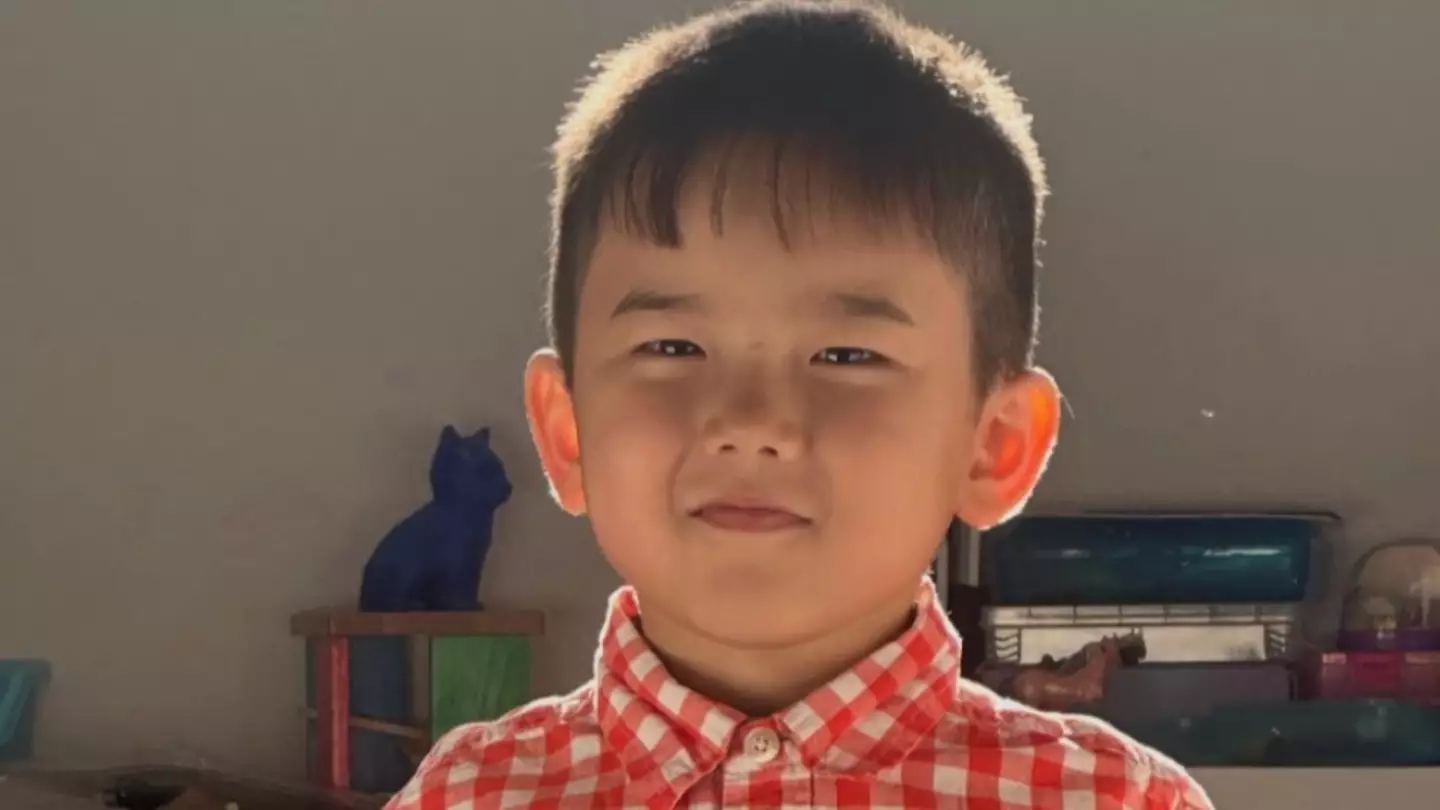
Just three days later, Paul announced that his five year old son, Micah, had suffered a medical emergency and was being rushed to hospital by ambulance. For the next eleven days, millions of people did not simply watch and wait, they shared and they prayed. Despite a following of around 300,000, Paul’s profile garnered more than 50 million views in just two weeks.
What unfolded was not merely a personal tragedy made public, but a collective return to prayer. Catholics across the world, from cardinals to Gwen Stefani, joined in prayer with Paul, interceding, fasting and lighting votive candles. They did so not together in a parish hall, but convened through their phones, united by the suffering of a family most of us will never meet this side of Heaven.
Just yesterday, Paul announced that Micah had been “born into eternal life” on December 31. What has been most striking about this announcement is not simply the sorrow of the loss, which is immense and undeniable, but the manner in which it has been shared. There has been no public rage at God, no bitterness, no accusation. Instead, there is grief deeply suffused with hope, devastation held alongside an inexplicable peace, and total trust and surrender.
This is not a denial of pain. Paul himself described it as “the hardest thing I’ve ever been through in my life” and visibly chokes up or cries whenever he speaks about Micah directly. The Church has never asked us to pretend that suffering is anything other than what it is. Even Jesus wept at Lazarus’ tomb, knowing that his dear friend’s resurrection was moments away.
What the Kim family has demonstrated, however, is something profoundly Catholic. Suffering, when united to Christ, is not meaningless. It is not simply redemptive because it exists, but because it is offered and received as God’s will with open hands of receptivity. Such wisdom understandably baffles both secular and some Christian parents alike, who, confronted by innocent suffering, recoil into doubt or denial of God’s existence altogether, viewing pain as meaningless chaos rather than a mystery illuminated by the Cross.
Another moment of profound Christian witness also transpired during Micah’s hospitalisation. Paul was asked to baptise another critically ill infant in the ICU, a moment he described as one of the most mysterious graces of his life. In the very corridor where his own child lay dying, another child was being brought into eternal life through the sacrament, which the Church permits even a layperson to administer in cases of grave necessity. Death and grief were thus intertwined with new life. This is memento mori at its finest, not as morbidity, but as a moral and mortal reality.
Modern culture treats death as either an aberration or a taboo. We medicalise it, sanitise it, or hide it, and when it intrudes, especially into the life of a child, we regard it as the ultimate tragedy. The Christian vision is no less heartbroken, but it is more honest. Death is unnatural, yet inevitable. And because of Christ, we know it is not final. As St Paul urges, “we do not want you to be uninformed… that you may not grieve as others do who have no hope” (1 Thess 4:13).
Micah’s death has also been a humbling reminder of something the Church has always known but often forgets. Our lives here are fleeting, and we are pilgrims. The goal of life is not necessarily longevity or ease, but sanctity, to become saints ready for eternity. In that light, many have begun quietly entrusting intentions to Micah, asking for his intercession, hoping for a miracle, and daring to imagine that one day this small boy might be recognised by the Church among her saints. It is a hope Paul himself voiced tenderly, that if Micah were ever canonised, he would finally be able to take his wife to Rome.
What has unfolded around Micah’s life and his untimely and tragic death has been a literal mass movement. Masses have been offered around the world, rosaries prayed across time zones, souls returned to prayer or confession, and even a baptism administered. Micah’s quiet evangelisation did not come through apologetics, but through his own family’s fidelity in suffering, worry and grief.
In an age that fears pain above all else, the Kim family’s witness shatters illusions of control and the unspoken belief that faith is insurance against tragedy. Christianity does not promise immunity from the Cross, but it does promise that the Cross is not the final story. Micah’s life was brief, but vast in love and communion.
As the Church has always known, holiness is not measured in years or achievements, but in love. Sometimes that love speaks loudest in silence, in hospital rooms, and in prayers whispered by digital strangers across the world. “Teach us to number our days, that we may gain a heart of wisdom” (Ps 90:12). In one small boy’s life and his family’s surrender, countless souls have been confronted with this truth anew.
May our communion with the Kim family continue, in prayers for the eternal rest of Micah, in Our Fathers for his parents and siblings, and in remembrance of all those carrying the weight of profound loss. And may their witness remind us that death is not the final story, and that even in sorrow, Christ offers a peace that surpasses all understanding (Phil 4:7).
Ping
Disclaimer: Opinions posted on Free Republic are those of the individual posters and do not necessarily represent the opinion of Free Republic or its management. All materials posted herein are protected by copyright law and the exemption for fair use of copyrighted works.