
Posted on 01/02/2026 8:32:10 AM PST by fidelis
Memorial of Saints Basil the Great and Gregory Nazianzen, Bishops and Doctors of the Church
“I baptize with water; but there is one among you whom you do not recognize, the one who is coming after me, whose sandal strap I am not worthy to untie.” This happened in Bethany across the Jordan, where John was baptizing. John 1:26–28
Though John the Baptist prepared the people of Israel for the beginning of Jesus’ ministry, he also prepares us to receive the fruit of that ministry and mission. One way he does this is by revealing the identity of the Messiah with great clarity.
Of John, Jesus said, “Among those born of women there has been none greater than John the Baptist; yet the least in the kingdom of heaven is greater than he” (Matthew 11:11). This is high praise! One of the most important qualities that made John so great was his humility. It was his humility that enabled him to turn the attention of his followers away from himself and toward the Messiah.
During this transitional period between the octave of Christmas and Ordinary Time, we are invited to anticipate all that this newborn King came to do in our lives. He came to set us free from all sin so that we can enter into union with Him. One of the best ways to embrace our Lord’s mission is to understand who He is—His identity and mission.
With John, we are invited to acknowledge the unfathomable glory of the Messiah. With John, we must profess that we are not worthy even to untie His sandal strap. In the cultural context, that function was delegated to the lowest servant in a household, who untied the master’s sandals upon his return home and washed his feet. If we understand who Jesus is in relation to us, we will believe and profess that we are not worthy even to be His lowliest servant. This is the truth: in regard to worthiness, we have none in the presence of the Messiah.
Once we understand and believe this truth, we will be better prepared to embrace the even more glorious truth that our King, Master, and Messiah has chosen to stoop down to wash our feet and serve us by laying down His life for our eternal salvation. He takes all our sins upon Himself and suffers their consequences, death on a cross.
Without imitating and participating in John’s humility, we cannot experience the depth of gratitude that we must have for Jesus’ life and mission. Acknowledging our complete unworthiness with John is not demeaning, nor does it make us any more unworthy. Instead, this act of true humility prepares us for the gift that began with the Incarnation and culminated in the Ascension into Heaven.
Reflect today on the humble truth of your complete unworthiness before the life and mission of the Messiah. Ponder John the Baptist as your model. Look at Jesus as John looked at Him, and believe what John believed. As you do, allow that realization to fill you with gratitude as you ponder God’s choice to meet you in that lowly state so as to serve you with the gift of His very life.
My glorious Lord, I am not worthy even to be Your lowest servant. Help me to understand and believe this humble truth. As I do, I offer You my utmost gratitude for choosing to meet me in that humility and to draw me to Yourself as my Messiah and King. I love You, my Lord; help me to love You more. Jesus, I trust in You.
Please keep in mind that this is a Catholic Caucus/Devotional thread for the purpose of prayerful reflection on the Sacred Scriptures and is closed to debate of any kind. Per FR policy on Religion Caucus threads, off-topic, argumentative, and abusive comments are not allowed and will be submitted to the Mods for deletion. Thanks, and God bless you.
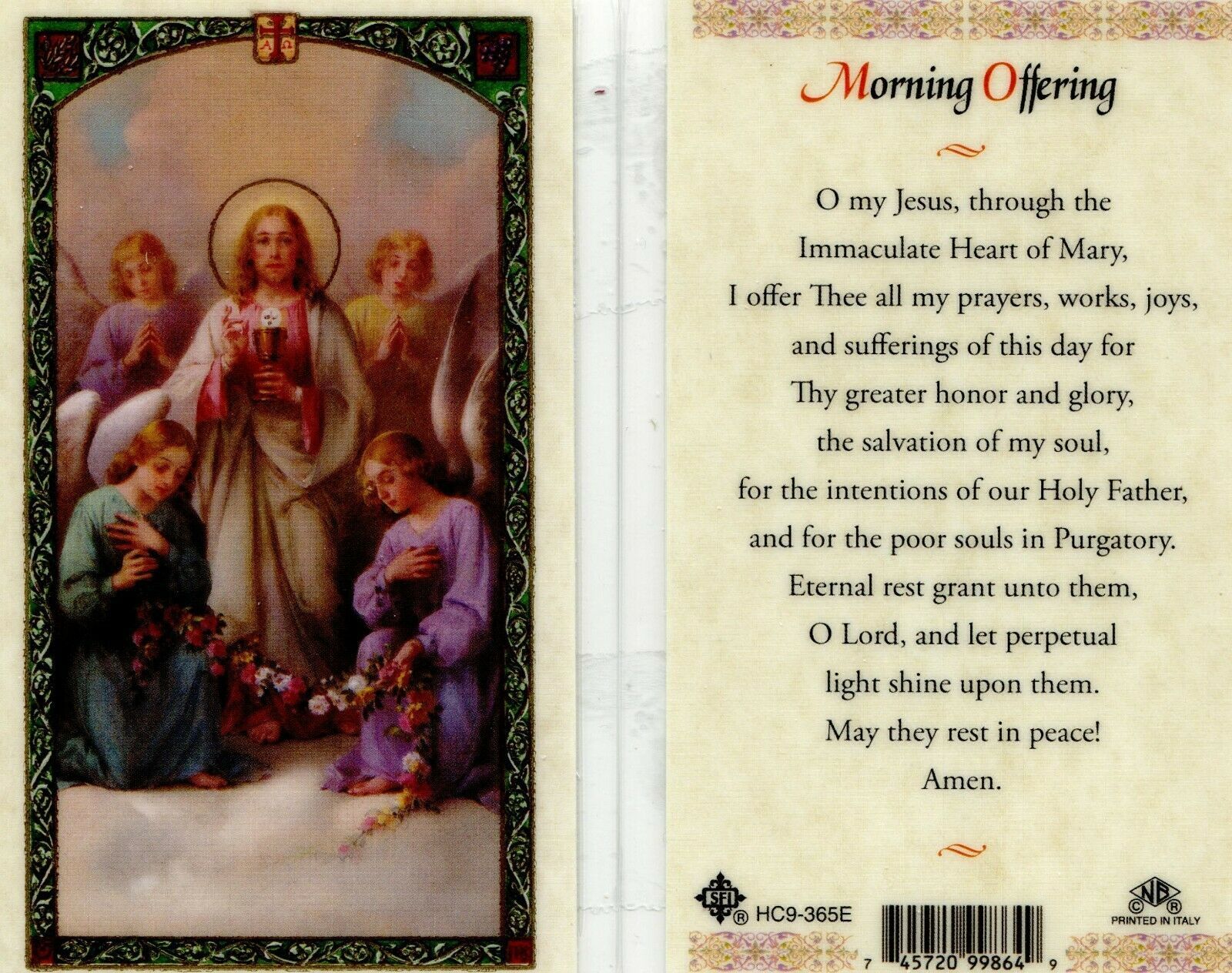
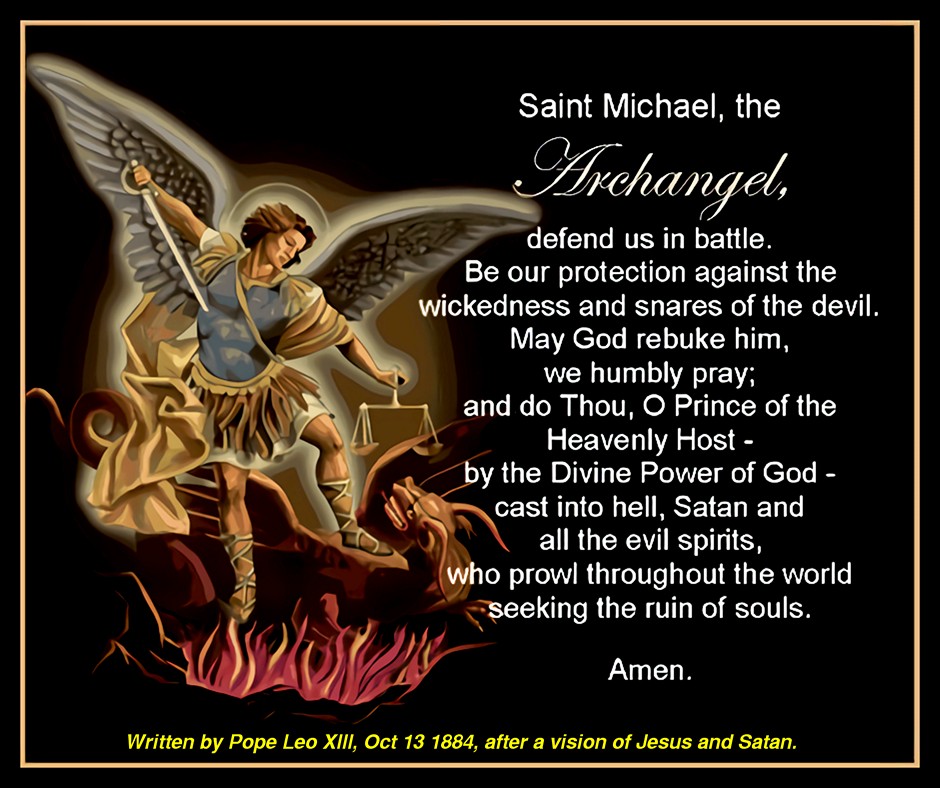
The Month of January is Dedicated to the Holy Name of Jesus

“At the name of Jesus every knee should bow, of those in heaven, and of those on earth, and of those under the earth, and that every tongue should confess that Jesus Christ is Lord, to the glory of God the Father.” (Philippians 2:10-11)

Pope Leo XIV’s monthly prayer intention for the month of January, 2026:
For prayer with the Word of God
Let us pray that praying with the Word of God be nourishment for our lives and a source of hope in our communities, helping us to build a more fraternal and missionary Church.

Today’s First Reading
From: 1 John 2:22-28
Not Listening to Heretics (Continuation)
----------------------------------------
[22] Who is the liar but he who denies that Jesus is the Christ? This is the antichrist, he who denies the Father and the Son. [23] No one who denies the Son has the Father. He who confesses the Son has the Father also. [24] Let what you heard from the beginning abide in you. If what you heard from the beginning abides in you, then you will abide in the Son and in the Father. [25] And this is what he has promised us, eternal life.
[26] I write this to you about those who would deceive you; [27] but the anointing which you received from him abides in you, and you have no need that any one should teach you; as his anointing teaches you about everything, and is true, and is no lie, just as it has taught you, abide in him.
[28] And now, little children, abide in him, so that when he appears we may have confidence and not shrink from him in shame at his coming.
***********************************************************************
Commentary:
22. "Jesus is the Christ": this is a basic truth of Christian faith. As in most of St John's writings, this wording means not only that Jesus is the Messiah but also that he is the Son of God (cf. Jn 20:31). From the earliest days of Christianity faith in Jesus, which included both his messiahship and his divinity, could be expressed by applying to him the titles of "Messiah" and "Son of God", or simply one or other of those titles. Over the course of the centuries the Church has been developing and deepening its understanding of revealed truths about Christ--partly in reaction to heresies attacking that truth. In recent years also the Magisterium has taken issue with erroneous ideas: "The opinions according to which it has not been revealed and made known to us that the Son of God subsists from all eternity in the mystery of the Godhead, distinct from the Father and the Holy Spirit, are in open conflict with this belief likewise the opinions according to which the notion is to be abandoned of the one person of Jesus Christ begotten in his divinity of the Father before all the ages and begotten in his humanity of the Virgin Mary in time; and lastly the assertion that the humanity of Christ existed not as being assumed into the eternal person of the Son of God but existed rather of itself as a person, and therefore that the mystery of Jesus Christ consists only in the fact that God, in revealing himself, was present in the highest degree in the human person Jesus.
"Those who think in this way are far removed from the true belief in Christ, even when they maintain that the special presence of God in Jesus results in his being the supreme and final expression of divine Revelation. Nor do they come back to the true belief in the divinity of Christ by adding that Jesus can be called God by reason of the fact that in what they call his human person God is supremely present" (SCDF, "Mysterium Filii Dei", 3).
23. "Has the Father": a very graphic way of referring to union with God (cf. 2 Jn 9). St John, who has other ways of saying the same thing—for example, "knowing him" (1 Jn 2:3f; Jn 14:7); "seeing him" (Jn 14:7, 9) --may have had in mind the errors of the Gnostics, who held that union with God was attained through a special kind of knowledge (gnosis), available only to initiates of their sect. The Apostle repeats the teaching given in his Gospel: only through Christ, through faith in him, can one attain union with and knowledge of the Father (cf. Jn 1:18; 14:9-10); Jesus and the Father are one, only God (Jn 14:11). So, faith in Christ is inseparable from faith in the Blessed Trinity; so, too, denial of the Son's divinity involves rejection of the Father. "Once the mystery of the divine and eternal person of Christ the Son of God is abandoned, the truth respecting the Most Holy Trinity is also undermined" (SCDF, "Mysterium Filii Dei", 4).
27. The anointing (cf. note on 2:20) refers to the Holy Spirit, who acts on the faithful by instructing them "about everything". Our Lord had said this would be so: "the Counselor, the Holy Spirit, whom the Father will send in my name, he will teach you all things" (Jn 14:26).
The Apostle does not mean that the faithful have no need of the Magisterium of the Church (the very fact that he is writing to them shows otherwise); what he wants to make quite clear is that their true teacher is the Holy Spirit (he it is who guides the Magisterium in its teaching, and he also acts in the soul of the Christian, helping him or her to accept that teaching). "If his anointing teaches you everything, it seems that we [pastors] are toiling to no purpose; why so much shouting on our part [...]? This is the marvelous thing. The sound of our words is striking your ears, but the Master is within. Do not think that it is a question of somebody learning from a man; we can attract your attention by the power of our voice, but if he who does the teaching is not within, all our sermons will be in vain" (St Augustine, "In Epist. Ioann. Ad Parthos", 3, 13).
28-29. These two verses sum up what has gone before and also act as an introduction to a passage on divine filiation. The central idea which St John has been repeating--"abide in him"--now opens out on to the prospect of the Last Judgment: Jesus Christ, who will be our Judge, is the same person as gave us revelation and life. This is one of the foundations of Christian hope.
"We may have confidence": the sacred writer changes to the plural, to include himself: we all have to give an account of our actions and we should have confidence in Christ our Judge. The word translated as "confidence" is much richer in Greek than in English; it is the equivalent of freedom, frankness, confident audacity. "It will be a great thing at the hour of death", St Teresa of Avila writes, "to realize that we shall be judged by One whom we have loved above all things [...]. Once our debts have been paid we shall be able to walk in safety. We shall not be going into a foreign land, but into our own country, for it belongs to him whom we have loved so truly and who himself loves us" ("Way of Perfection", 40, 8).
From: John 1:19-28
The Witness of John
-------------------
[19] And this is the testimony of John, when the Jews sent priests and Levites from Jerusalem to ask him, "Who are you?" [20] He confessed, he did not deny, but confessed, "I am not the Christ." [21] And they asked him, "What then? Are you Elijah?" He said, "I am not." "Are you the prophet?" And he answered, "No." [22] They said to him then, "Who are you? Let us have an answer for those who sent us. What do you say about yourself?" [23] He said, "I am the voice of one crying in the wilderness, `Make straight the way of the Lord,' as the prophet Isaiah said."
[24] Now they had been sent from the Pharisees. [25] They asked him, "Then why are you baptizing, if you are neither the Christ, nor Elijah, nor the prophet?" [26] John answered, "I baptize with water; but among you stands One whom you do not know, [27] even He who comes after me, the thong of whose sandal I am not worthy to untie." [28] This took place in Bethany beyond the Jordan, where John was baptizing.
***********************************************************************
Commentary:
19-34. This passage forms a unity, beginning and ending with reference to the Baptist's "testimony": it thereby emphasizes the mission given him by God to bear witness, by his life and preaching, to Jesus as the Messiah and Son of God. The Precursor exhorts people to do penance and he practices the austerity he preaches; he points Jesus out as the Lamb of God who takes away the sin of the world; and he proclaims him boldly in the face of the Jewish authorities. He is an example to us of the fortitude with which we should confess Christ: "All Christians by the example of their lives and the witness of the word, wherever they live, have an obligation to manifest the new man which the put on in Baptism" (Vatican II, "Ad Gentes", 11).
19-24. In this setting of intense expectation of the imminent coming of the Messiah, the Baptist is a personality with enormous prestige, as is shown by the fact that the Jewish authorities send qualified people (priests and Levites from Jerusalem) to ask him if he is the Messiah.
John's great humility should be noted: he is quick to tell his questioners: "I am not the Christ". He sees himself as someone insignificant compared with our Lord: "I am not worthy to untie the thong of His sandal" (verse 27). He places all his prestige at the service of his mission as precursor of the Messiah and, leaving himself completely to one side, he asserts that "He must increase, but I must decrease" (John 3:30).
25-26. "Baptize": this originally meant to submerge in water, to bathe. For the Jews the rite of immersion meant legal purification of those who had contracted some impurity under the Law. Baptism was also used as a rite for the incorporation of Gentile proselytes into the Jewish people. In the Dead Sea Scrolls there is mention of a baptism as a rite of initiation and purification into the Jewish Qumran community, which existed in our Lord's time.
John's baptism laid marked stress on interior conversion. His words of exhortation and the person's humble recognition of his sins prepared people to receive Christ's grace: it was a very efficacious rite of penance, preparing the people for the coming of the Messiah, and it fulfilled the prophecies that spoke precisely of a cleansing by water prior to the coming of the Kingdom of God in the messianic times (cf. Zechariah 13:1; Ezekiel 36:25; 37-23; Jeremiah 4:14). John's baptism, however, had no power to cleanse the soul of sins, as Christian Baptism does (cf. Matthew 3:11; Mark 1:4).
"One whom you do not know": Jesus had not yet publicly revealed Himself as Messiah and Son of God; although some people did know as a man, St. John the Baptist could assert that really they did not know Him.
27. The Baptist declares Christ's importance by comparing himself to a slave undoing the laces of his master's sandals. If we want to approach Christ, whom St. John heralds, we need to imitate the Baptist. As St. Augustine says: "He who imitates the humility of the Precursor will understand these words. [...] John's greatest merit, my brethren, is this act of humility" ("In Ioann. Evang.", 4, 7).
28. This is a reference to the town of Bethany which was situated of the eastern bank of the Jordan, across from Jericho--different from the Bethany where Lazarus and his family lived, near Jerusalem (cf. John 11:18).
Disclaimer: Opinions posted on Free Republic are those of the individual posters and do not necessarily represent the opinion of Free Republic or its management. All materials posted herein are protected by copyright law and the exemption for fair use of copyrighted works.


