
Posted on 12/02/2025 8:09:27 AM PST by fidelis
Jesus rejoiced in the Holy Spirit and said, “I give you praise, Father, Lord of heaven and earth, for although you have hidden these things from the wise and the learned you have revealed them to the childlike.” Luke 10:23–24
We rejoice over many things in life. We might rejoice if we win a game, do well on a test, complete some task at home or work, or attend a celebration or party. Though rejoicing is an emotion tied to our human nature, true joy is spiritual in nature, a gift that overflows into human emotion.
Try to imagine Jesus rejoicing in the Holy Spirit. Jesus’ joy was perfect. As God, His unity with the Father and the Holy Spirit was beyond anything we can imagine. Therefore, when He experienced the perfection of spiritual joy, that joy overflowed into His perfect human nature, resulting in an emotional response that was more powerful than any of us will experience until the day we stand with our resurrected bodies before the Beatific Vision in the New Heavens and new Earth.
When Jesus prayed, “I give you praise, Father…,” He was not only engaging in an intellectual exercise. He did not just make a public statement so that it would be written in Scripture or because it was the right thing to do. Rather, Jesus spoke His praises to the Father because His lived human experience, in that moment, was a human rejoicing with divine power. Jesus’ all-consuming joy was perfectly ordered, deeply fulfilling, an appropriate response to His Father and the Holy Spirit, and contagious to those around Him. True spiritual joy is never contained; it overflows and touches the lives of others.
By experiencing such joy in His human nature, Jesus further elevated human nature itself, making it possible for us to rejoice in the Holy Spirit with Him within our human souls, provided we humble ourselves before Him. Jesus praised the Father for revealing Himself to the childlike, those who are humble of heart. Seeing that was the cause of His joy. To be childlike in the eyes of God means to trust Him completely, to approach Him with openness and wonder, and to depend on Him for all things. It is the opposite of relying on our own understanding and wisdom, which often leads to pride and distance from God.
True humility is nothing other than honesty with oneself before God. Humility makes us childlike because it opens our eyes to the truth that we are little spiritual children in need of God’s fatherhood. If we pretend to be “wise and learned” before God, we only reveal our foolishness, the absence of divine wisdom.
Reflect today on the perfection of spiritual joy in Jesus’ divinity and its emotional effect upon His humanity. No one has ever rejoiced with the same joy as the Son of God. However, we are all called to live within that spiritual joy. This joy strengthens us in trials, deepens our love for others, and helps us live our faith with greater conviction and authenticity. Humble yourself before God today, begging for greater humility so that you will become a greater partaker of Jesus’ joy, the joy He came to bestow upon the world.
My humble Lord, You rejoiced as You saw Your Father reveal hidden and divine mysteries to those who were humble of heart and childlike. Please bestow Your grace upon me so that I will also grow in divine wisdom, remaining humble and childlike, to fill Your human soul with the deepest joy. Jesus, I trust in You.
Please keep in mind that this is a Catholic Caucus/Devotional thread for the purpose of prayerful reflection on the Sacred Scriptures and is closed to debate of any kind. Per FR policy on Religion Caucus threads, off-topic, argumentative, and abusive comments are not allowed and will be submitted to the Mods for deletion. Thanks, and God bless you.
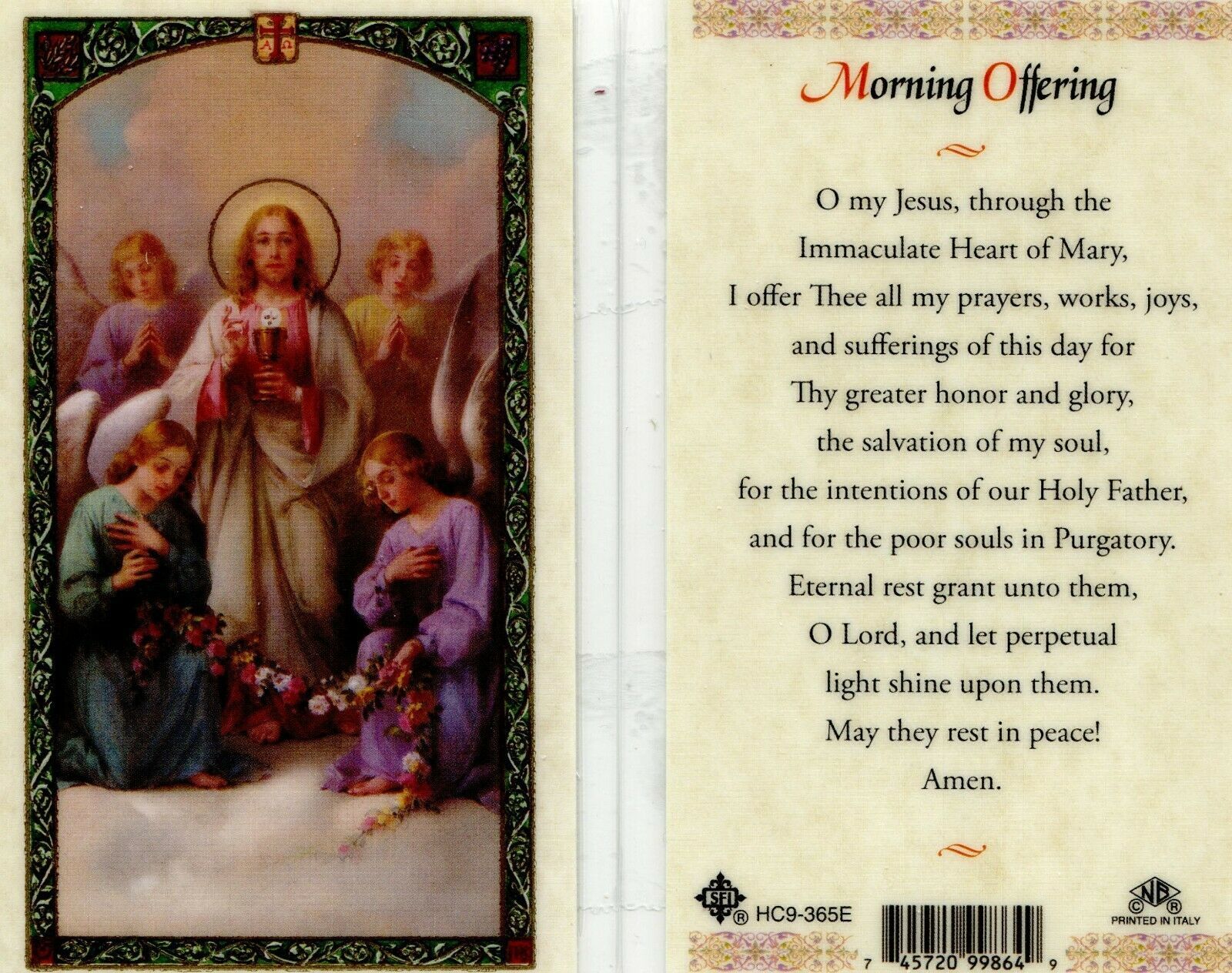
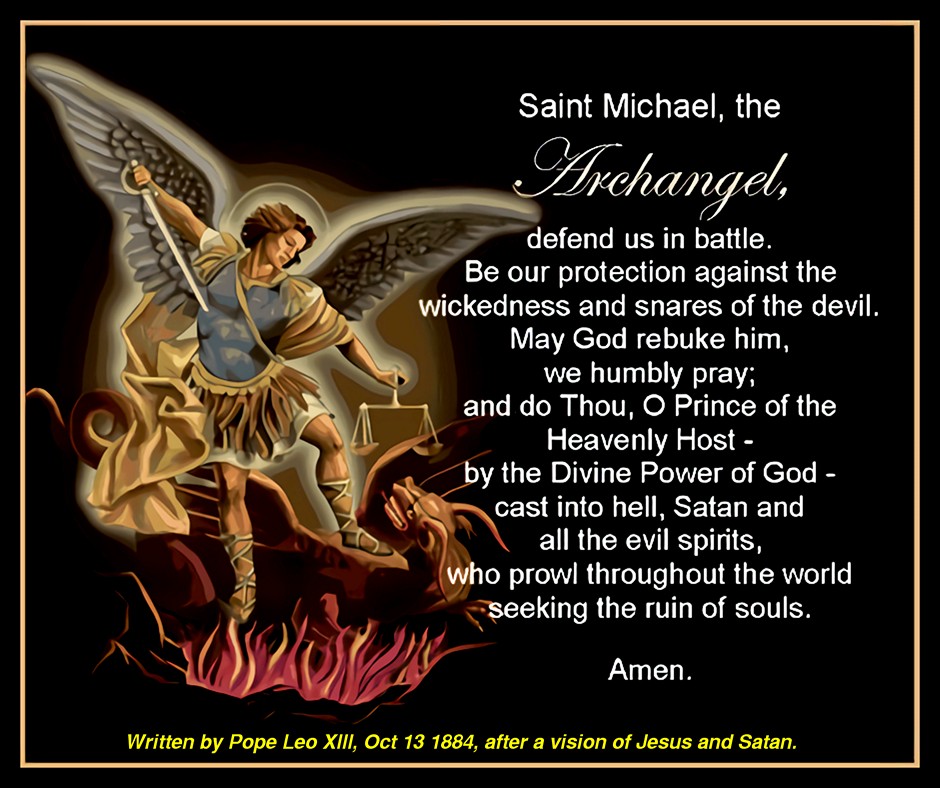
The Month of November is Dedicated to Praying for the Holy Souls in Purgatory

“He took up a collection, and sent it to Jerusalem to provide for a sin offering. In doing this he acted very well and honorably, taking account of the resurrection. For if he were not expecting that those who had fallen would rise again, it would have been superfluous and foolish to pray for the dead. But if he was looking to the splendid reward that is laid up for those who fall asleep in godliness, it was a holy and pious thought. Therefore he made atonement for the dead, that they might be delivered from their sin.” (2 Maccabees 12:43-45)

Pope Leo XIV’s prayer intentions for the month of November, 2025:
For the prevention of suicide
Let us pray that those who are struggling with suicidal thoughts might find the support, care, and love they need in their community, and be open to the beauty of life.

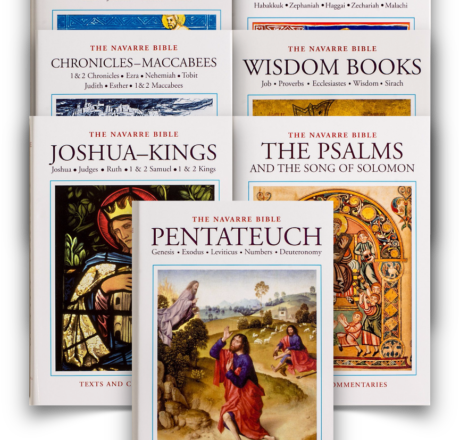
First Reading:
From: Isaiah 11:1-10
The New Descendant of David
---------------------------
[1] There shall come forth a shoot from the stump of Jesse, and a branch shall grow out of his roots. [2] And the Spirit of the Lord shall rest upon him, the spirit of wisdom and understanding, the spirit of counsel and might, the spirit of knowledge and the fear of the Lord. [3] And his delight shall be in the fear of the Lord. He shall not judge by what his eyes see, or decide by what his ears hear; [4] but with righteousness he shall judge the poor, and decide with equity for the meek of the earth; and he shall smite the earth with the rod of his mouth, and with the breath of his lips he shall slay the wicked. [5] Righteousness shall be the girdle of his waist, and faithfulness the girdle of his loins. [6] The wolf shall dwell with the lamb, and the leopard shall lie down with the kid, and the calf and the lion and the failing together, and a little child shall lead them. [7] The cow and the bear shall feed; their young shall lie down together; and the lion shall eat straw like the ox. [8] The sucking child shall play over the hole of the asp, and the weaned child shall put his hand on the adders den. [9] They shall not hurt or destroy in all my holy mountain; for the earth shall be full of the knowledge of the Lord as the waters cover the sea.
The Return of the Exiles
------------------------
[10] In that day the root of Jesse shall stand as an ensign to the peoples; him shall the nations seek, and his dwellings shall be glorious.
***********************************************************************
Commentary:
11:1-9. This passage, which is regarded as the third Immanuel oracle, has two parts to it. The first (vv.1-5) announces that the shoot will spring from the stump of Jesse (David's father) at some future date. The second (vv. 6-9) describes the good things associated with his reign, using imagery to do with messianic peace: creation will be restored to its state of original justice.
The first part is a formal announcement of the accession of a new king in the line of David--humble, because he comes from a tree that has been pruned yet has all the vitality of a tender shoot. It refers to a future king (“there shall come ...”) and not the reigning monarch. The new king will be endowed with exceptional qualities that equip him to rule, thanks to the Holy Spirit who will descend upon him. The divine Spirit is an inner strength, a gift that God gives to key figures in salvation history to enable them to accomplish a difficult and dangerous mission--Moses (cf. Num 11:17), the judges (cf. 3:10; 6:34) and David (1 Sam 16:13). The new descendent of David will rule over the people not in a heavy-handed way like the kings of the time, but with a charismatic dynamism that comes from God. Six gifts of the Spirit are mentioned, in pairs--wisdom and understanding, referring to the skill and prudence that ensure that he will judge rightly; counsel and fortitude, the characteristics of an astute strategist like David; knowledge and the fear of the Lord, which have to do with the religious sphere, for the king must not forget that he is God’s representative.
The second part describes very beautifully the messianic peace that will flower with this new ?shoot?. It paints a panorama of the harmony that reigned at the dawn of creation, only to be broken by sin. Even among wild beasts violence will disappear. No longer will man in his pride desire to be “like God, knowing good and evil?”(Gen 3:5); instead he will be filled with the divine gift of the “knowledge of the Lord” (v. 9). The “child”, mentioned twice (vv. 6, 8) is not directly connected with the child-king of the oracle found in 9:6 or with the Immanuel (7:14); however, in the mind of the prophet they must have had many points of contact, given the reference to the child having a leadership role (v. 6).
The image of the “shoot” from the royal line who will bring peace has been interpreted in Christian tradition as finding fulfillment in Jesus Christ. St Thomas Aquinas read this passage as referring to Christ, who brought about the restoration of mankind; he points out: “First, the birth of Christ the ‘restorer’, is spoken of (v. 1); then, his holiness (vv. 2-9) and his dignity (v. 10) are described” ("Expositio Super lsaiam", 11). And John Paul II comments: “Alluding to the coming of a mysterious personage, which the New Testament revelation will identify with Jesus, Isaiah connects his person and mission with a particular action of the Spirit of God--the Spirit of the Lord.These are the words of the prophet ‘There shall come forth a shoot from the stump of Jesse, and a branch shall grow out of his roots. And "the Spirit of the Lord shall rest upon him", the spirit of wisdom and understanding, the spirit of counsel and might, the spirit of knowledge and the fear of the Lord. And his delight shall be the fear of the Lord’ (Is 11:1-3). This text is important for the whole pneumatology of the Old Testament, because it constitutes a kind of bridge between the ancient biblical concept of ‘spirit,’ understood primarily as a 'charismatic breath of wind’, and the ‘Spirit’ as a person and as a gift, a gift for the person. The Messiah of the lineage of David (‘from the stump of Jesse’) is precisely that person upon whom the Spirit of the Lord ‘shall rest’. It is obvious that in this case one cannot yet speak of a revelation of the Paraclete. However, with this veiled reference to the figure of the future Messiah there begins, so to speak, the path towards the full revelation of the Holy Spirit in the unity of the Trinitarian mystery, a mystery which will finally be manifested in the New Covenant” ("Dominum Et Vivificantem", 15).
A Christian reading of these words finds in them a reference to the action of the Holy Spirit in souls; the “spirits” that repose in the Messiah; are stable “gifts” through which the Holy Spirit acts. There are six of these gifts, according to the Hebrew text (which the New Vulgate and the RSV follow). The Greek translation of the Septuagint and the Vulgate divide the gift of fear into two--piety and fear of the Lord. That is why catechesis and theology speak of there being seven gifts: “The seven 'gifts' of the Holy Spirit are wisdom, understanding, counsel, fortitude, knowledge, piety and fear of the Lord. They belong in their fullness to Christ, Son of David (cf. Is 11:1-2). They complete and perfect the virtues of those who receive them. They make the faithful docile in readily obeying divine inspirations.” ("Catechism of the Catholic Church", 1831).
----------------------------
Gospel Reading:
From: Luke 10:21-24
The Seventy Return from their Mission
-------------------------------------
[21] In that same hour He rejoiced in the Holy Spirit and said, "I thank Thee, Father, Lord of Heaven and earth, that thou hast hidden these things from the wise and understanding and revealed them to babes; yea, Father, for such was Thy gracious will. [22] All things have been delivered to Me by My Father; and no one knows who the Son is except the Father, or who the Father is except the Son and any one to whom the Son chooses to reveal Him."
[23] Then turning to the disciples He said privately, "Blessed are the eyes which see what you see! [24] For I tell you that many prophets and kings desired to see what you see, and did not see it, and to hear what you hear, and did not hear it."
***********************************************************************
Commentary:
21. This passage of the Gospel is usually called our Lord's "hymn of joy" and is also found in St. Matthew (11:25-27). It is one of those moments when Jesus rejoices to see humble people understanding and accepting the word of God.
Our Lord also reveals one of the effects of humility--spiritual childhood. For example, in another passage He says: "Truly, I say to you, unless you turn and become like children, you will never enter the Kingdom of Heaven" (Matthew 18:3). But spiritual childhood does not involve weakness, softness or ignorance: "I have often meditated on this life of spiritual childhood, which is not incompatible with fortitude, because it demands a strong will, proven maturity, an open and firm character [...]. To become children we must renounce our pride and self-sufficiency, recognizing that we can do nothing by ourselves. We must realize that we need grace, and the help of God our Father to find our way and keep it. To be little, you have to abandon yourself as children do, believe as children, beg as children beg" (St J. Escriva, "Christ Is Passing By", 10 and 143).
22. "This statement is a wonderful help to our faith," St. Ambrose comments, "because when you read `all' you realize that Christ is all-powerful, that He is not inferior to the Father, or less perfect than He; when you read `have been delivered to me', you confess that Christ is the Son, to whom everything belongs by right of being one in substance [with the Father] and not by grace of gift" ("Expositio Evangelii Sec. Lucam, in loc.").
Here we see Christ as almighty Lord and God, consubstantial with the Father, and the only one capable of revealing who the Father is. At the same time, we can recognize the divine nature of Jesus only if the Father gives us the grace of faith--as He did to St. Peter (cf. Matthew 16:17).
23-24. Obviously, seeing Jesus with one's own eyes was a wonderful thing for people who believed in him. However, our Lord will say to Thomas, "Blessed are those who have not seen and yet believe" (John 20:29). St. Peter, for his part, tells us: "Without having seen Him you love Him; though you do not see Him you believe in Him and rejoice with unutterable and exalted joy. As the outcome of your faith you obtain the salvation of your souls" (1 Peter 1:8-9).
Disclaimer: Opinions posted on Free Republic are those of the individual posters and do not necessarily represent the opinion of Free Republic or its management. All materials posted herein are protected by copyright law and the exemption for fair use of copyrighted works.

