
Posted on 10/26/2025 8:21:15 AM PDT by fidelis
“Two people went up to the temple area to pray; one was a Pharisee and the other was a tax collector. The Pharisee took up his position and spoke this prayer to himself, ‘O God, I thank you that I am not like the rest of humanity—greedy, dishonest, adulterous—or even like this tax collector.’” Luke 18:10–11
What a sad prayer. Of course it wasn’t even a prayer to God since the Pharisee “spoke this prayer to himself.” The prayer of the tax collector, however, was a perfect model for all prayer. We read that the tax collector “stood off at a distance and would not even raise his eyes to heaven but beat his breast and prayed, ‘O God, be merciful to me a sinner.’” Which prayer more resembles your own prayer?
To honestly answer that question, let’s examine both prayers. First of all, the contrast of these two prayers is a contrast between humility and pride. The Pharisee was clearly full of pride. Pride blinds us from true self-knowledge. Saint Teresa of Ávila teaches us that the very first thing we must do on our journey to God is obtain self-knowledge through humility. Without that, we will never grow in holiness.
The sin of pride is obvious in the prayer of the Pharisee and, therefore, his lack of true self-knowledge is also evident. Note that even his physical posture of standing depicts pride. Throughout the Scriptures, kneeling, or even falling prostrate, is the disposition of the humble. In addition to standing, the Pharisee’s prayer was a list of his own goodness. He very well may have fasted twice a week and paid tithes on his whole income. But his prayer suggests that he did this by his own effort. He did not ascribe those acts to the grace and strength of God, which means they were not true acts of charity. His prayer suggests that he doesn’t need God in order to do good. This is also seen in the fact that he asks nothing of God. Instead, he simply thanks God for how good he is through his own effort. The result is that God gives him nothing, since he asked for nothing.
True prayer must begin with the humble recognition of our weakness and need for God. The tax collector expressed this humility by bowing his head to the ground, not even daring to look up to Heaven. This reveals he did not consider himself worthy of God’s grace. Truth be told, he wasn’t worthy of it. That’s why God’s grace is a mercy. It is all mercy in that He bestows that which we are not worthy to receive. And He only bestows it on those who know they are not worthy of it. The words spoken by the tax collector are the perfect model of prayer because his words depict these truths. As a sinner, he doesn’t deserve mercy but begs for God’s grace as an act of God’s mercy.
When you pray, how do you pray? What is the disposition of your heart and for what do you pray? Begin by considering the physical position in which you pray...
Reflect, today, upon the humility found in the prayer of this tax collector. As you do, look at your own practice of prayer and discern whether you imitate this tax collector's disposition and prayer. Try to commit to physically humbling yourself before our Lord every day. Kneel, bow your head, or fall down prostrate every day. When you do pray, beg for mercy as one who doesn’t deserve anything from God. This is the humble truth on which all prayer must be based. The more you can humble yourself this way, the more God will lift you up and pour forth His mercy upon you.
O God, be merciful to me, a sinner. I bow before You, most glorious and merciful God. I offer You my praise and gratitude for Your abundant mercy in my life. I am not worthy of You and Your grace, but You bestow it anyway. For that I thank You with profound gratitude and beg for the ongoing gift of Your grace. Jesus, I trust in You.
Please keep in mind that this is a Catholic Caucus/Devotional thread for the purpose of prayerful reflection on the Sacred Scriptures and is closed to debate of any kind. Per FR policy on Religion Caucus threads, off-topic, argumentative, and abusive comments are not allowed and will be submitted to the Mods for deletion. Thanks, and God bless you.
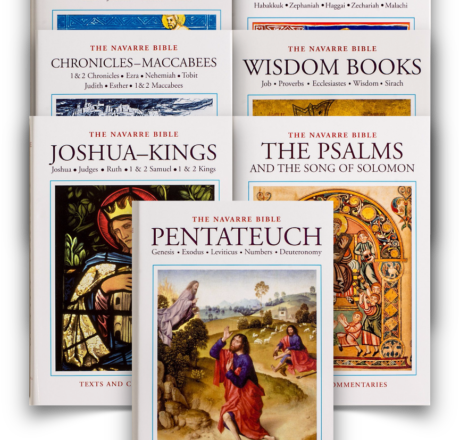
First Reading:
From: Sirach 35:12-14, 16-18
Worship pleasing to God
-----------------------------
[12] Do not offer him a bribe, for he will not accept it;
and do not trust to an unrighteous sacrifice;
for the Lord is the judge, and with him is no partiality.
[13] He will not show partiality in the case of a poor man;
and he will listen to the prayer of the one who is wronged.
[14] He will not ignore the supplication of the fatherless,
nor the widow when she pours out her story.
[16] He whose service is pleasing to the Lord will be accepted,
and his prayer will reach to the clouds.
[17] The prayer of the humble pierces the clouds,
and he will not be consoled until it reaches the Lord;
he will not desist until the Most high visits him,
and does justice for the righteous, and executes judgment.
****************************************************
Commentary:
[35:11-20.] From 35:11 on, the Lord is the subject of the sentences. Ben Sirach tells us who God is: he pays well (35:11), he is a just judge (35:11-15), who rewards a person according to his works; and he identifies the person whom God listens to—the generous giver (35:11), the one who is wronged (35:13), the orphan and the widow (35:14), the one who serves Him (35:16), the humble person (35:17). Most of these qualities (those of God as well of those of people who have recourse to him) can be found, all together, in Jesus’ attitude to the sick, to sinners and to the poor.
From: 2 Timothy 4:6-18
The Crown of Righteousness
--------------------------
[6] For I am already on the point of being sacrificed; the time of my departure has come. [7] I have fought the good fight, I have finished the race, I have kept the faith. [8] Henceforth there is laid up for me the crown of righteousness, which the Lord, the righteous judge, will award to me on that Day, and not only to me but also to all who have loved his appearing.
[16] At my first defense no one took my part; all deserted me. May it not be charged against them! [17] For the Lord stood by me and gave me strength to proclaim the word fully, that all the Gentiles might hear it. So I was rescued from the lion's mouth. [18] The Lord will rescue me from every evil and save me for his heavenly kingdom. To him be glory for ever and ever. Amen.
***********************************************************************
Commentary:
6-8. Conscious of his closeness to death, St Paul writes in poetic strain about his life in the service of the Gospel, about the meaning of death and his hope of heaven. The imagery he uses shows how he interprets his experience in the light of faith. "On the point of being sacrificed": literally "poured out in sacrifice": death is an offering to God, like the libations of oil poured on the altar of sacrifices. Death is the beginning of a journey: "the point of my departure has come", the anchor is being weighed, the sails unfurled.
The Christian life is like magnificent Games taking place in the presence of God, who acts as the judge. In Greece the Games had close connections with religious worship; St Paul presents the Christian life as a type of spiritual sport: "races" indicates the continuous effort to achieve perfection (cf. Phil 3:14); training for athletics indicates the practice of self-denial (cf. 1 Cor 9:26-27); fighting stands for the effort required to resist sin even if that means death, as can happen in the event of persecution (cf. Heb 12:4). It is well worthwhile taking part in this competition, because, as St John Chrysostom points out, "the crown which it bestows never withers. It is not made of laurel leaves, it is not a man who places it on our head, it has not been won in the presence of a crowd made up of men, but in a stadium full of angels. In earthly competitions a man fights and strives for days and the only reward he receives is a crown which withers in a matter of hours [. . .]. That does not happen here: the crown he is given is a glory and honor whose brilliance lasts forever ("Hom. on 2 Tim, ad loc".).
All Christians who "have loved his appearing", that is, who stay true to Christ, share St Paul's expectation of eternal life. "We who know about the eternal joys of the heavenly fatherland should hasten to reach it by the more direct route" (St Gregory the Great, "In Evangelia Homiliae", 16).
9-18. In his letters St Paul often asks people to do things for him; his messages here are particularly moving, given as they are on the eve of his martyrdom. He is following the example of Christ: he puts his trust in God even though his friends desert him (vv. 10-12, 16); his enemies harass him more than ever, yet he forgives them (vv. 14, 16); in the midst of his sufferings he praises the Lord (v. 18). His mention of Thessalonica, Galatia, Dalmatia, Ephesus, Troas, Corinth and Miletus show how warmly he remembers places which were very receptive to the Christian message. These few verses constitute a mini-biography.
16-17. St Paul points to the contrast between the way men treat him and the way God does. Because of the hazards involved in staying with Paul or defending him, some of his friends, even some of his closest friends, have deserted him; whereas God stays by his side.
"You seek the company of friends who, with their conversation and affection, with their friendship, make the exile of this world more bearable for you. There is nothing wrong with that, although friends sometimes let you down. But how is it you don't frequent daily with greater intensity the company, the conversation, of the great Friend, who never lets you down?" (St J. Escriva, "The Way", 88).
From: Luke 18:9-14
Parable of the Pharisee and the Tax Collector
---------------------------------------------
[9] He (Jesus) also told this parable to some who trusted in themselves that they were righteous and despised others: [10] "Two men went up into the temple to pray, one a Pharisee and the other a tax collector. [11] The Pharisee stood and prayed thus with himself, `God, I thank Thee that I am not like other men, extortioners, unjust, adulterers, or even like this tax collector. [12] I fast twice a week, I give tithes of all that I get.' [13] But the tax collector, standing far off, would not even lift up his eyes to Heaven, but beat his breast, saying, `God, be merciful to me a sinner!' [14] I tell you, this man went down to his house justified rather than the other; for everyone who exalts himself will be humbled, but he who humbles himself will be exalted."
***********************************************************************
Commentary:
9-14. Our Lord here rounds off His teaching on prayer. In addition to being persevering and full of faith, prayer must flow from a humble heart, a heart that repents of its sins: "Cor contritum et humiliatum, Deus, non despicies" (Psalm 51:19); the Lord, who never despises a contrite and humble heart, resists the proud and gives His grace to the humble (cf. Peter 5:5; James 4:6).
The parable presents two opposite types--the Pharisee, who is so meticulous about external fulfillment of the Law; and the tax collector, who in fact is looked on as a public sinner (cf. Luke 19:7). The Pharisee's prayer is not pleasing to God, because his pride causes him to be self-centered and to despise others. He begins by giving thanks to God, but obviously it is not true gratitude, because he boasts about all the good he has done and he fails to recognize his sins; since he regards himself as righteous, he has no need of pardon, he thinks; and he remains in his sinful state; to him also apply these words spoken by our Lord to a group of Pharisees on another occasion: "If you were blind, you would have no guilt; but now that you say, `We see,' your guilt remains" (John 9:41). The Pharisee went down from the temple, therefore, unjustified.
But the tax collector recognizes his personal unworthiness and is sincerely sorry for his sins: he has the necessary dispositions for God to pardon him. His ejaculatory prayer wins God's forgiveness: "It is not without reason that some have said that prayer justifies; for repentant prayer or supplicant repentance, raising up the soul to God and re-uniting it to His goodness, without doubt obtains pardon in virtue of the holy love which gives it this sacred movement. And therefore we ought all to have very many such ejaculatory prayers, said as an act of loving repentance and with a desire of obtaining reconciliation with God, so that by thus laying our tribulation before our Savior, we may pour out our souls before and within His pitiful heart, which will receive them with mercy" (St. Francis de Sales, "Treatise on the Love of God", Book 2, Chapter 20).
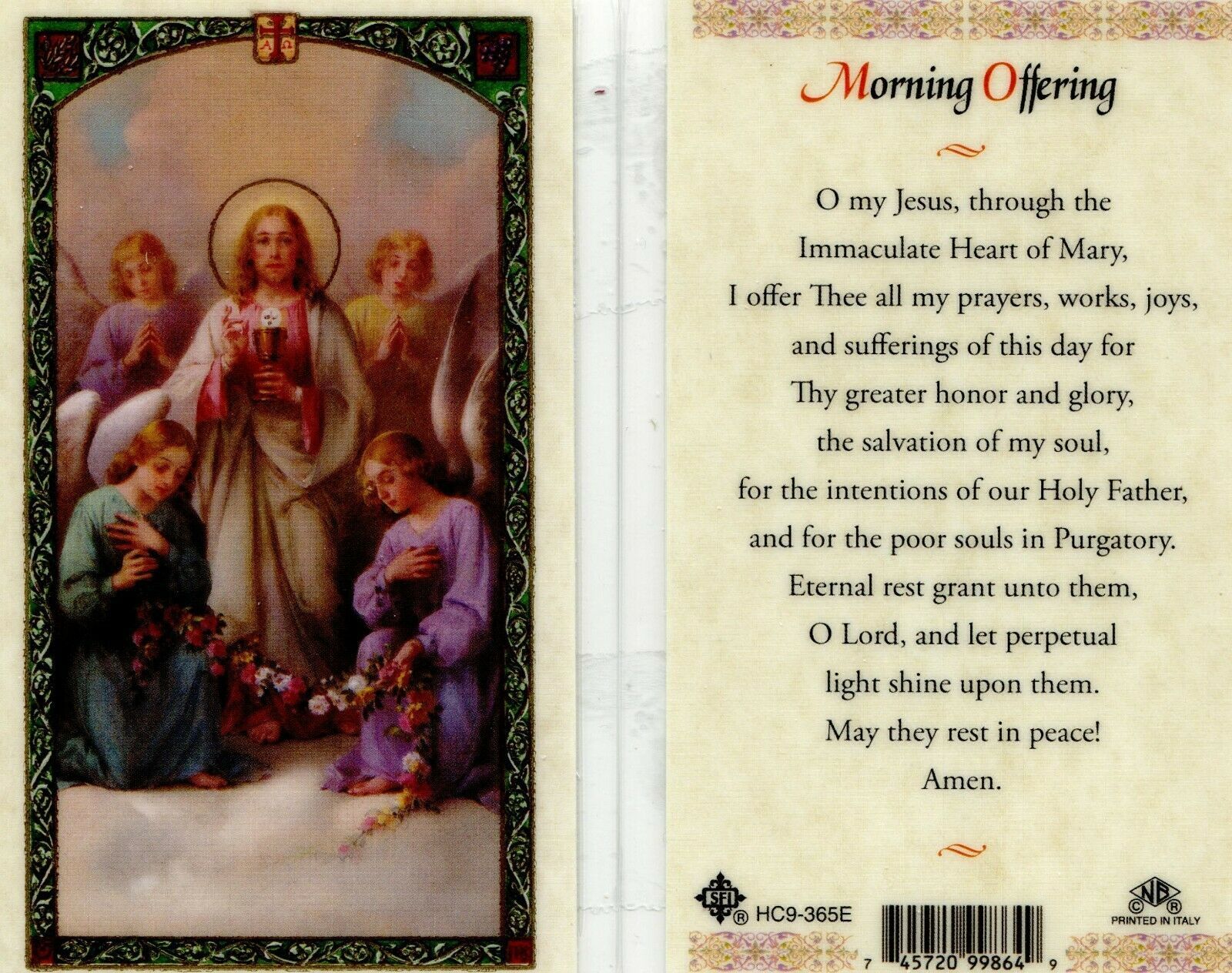
The Month of October is Dedicated to the Holy Rosary

“ Rejoice always, pray without ceasing, give thanks in all circumstances; for this is the will of God in Christ Jesus for you.” (1 Thessalonians 5:16-18)

Pope Leo XIV’s prayer intentions for the month of October, 2025:
For collaboration between different religious traditions
Let us pray that believers in different religious traditions might work together to defend and promote peace, justice, and human fraternity.

Disclaimer: Opinions posted on Free Republic are those of the individual posters and do not necessarily represent the opinion of Free Republic or its management. All materials posted herein are protected by copyright law and the exemption for fair use of copyrighted works.

