Skip to comments.
Azerbaijan – Kazakhstan – Israel: a triangle of mutual benefit
Caliber Azerbaijan English ^
| 27 October 2025
| Rachel Avraham for Arutz Sheva
Posted on 10/27/2025 4:33:17 PM PDT by CharlesOConnell
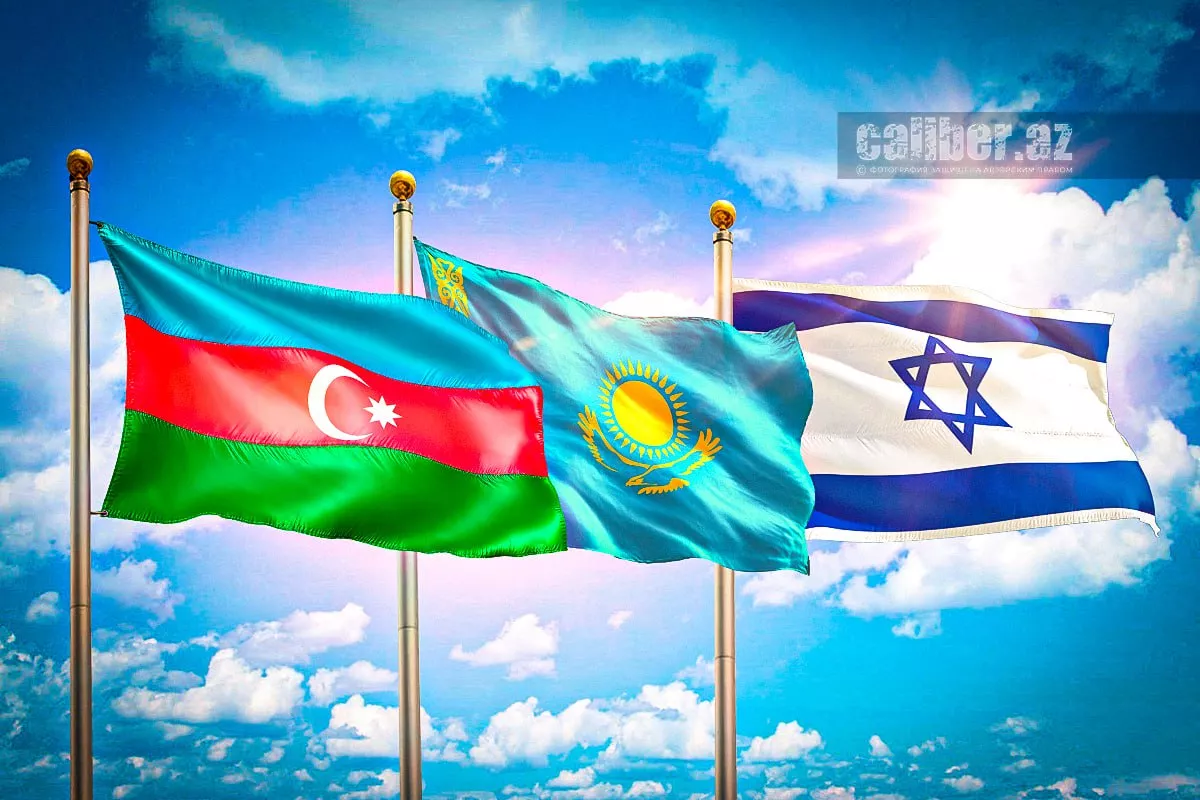
When President Ilham Aliyev of Azerbaijan arrived in the capital of Kazakhstan, Astana, it was not merely another state visit - it was a statement of purpose. Azerbaijan and Kazakhstan, two key pillars of the Turkic world, reaffirmed their shared vision for a future built on unity, connectivity, and strength. The visit symbolized the natural deepening of economic and cultural integration among Turkic nations, while sending a clear message that regional cooperation can serve as the foundation of global influence.
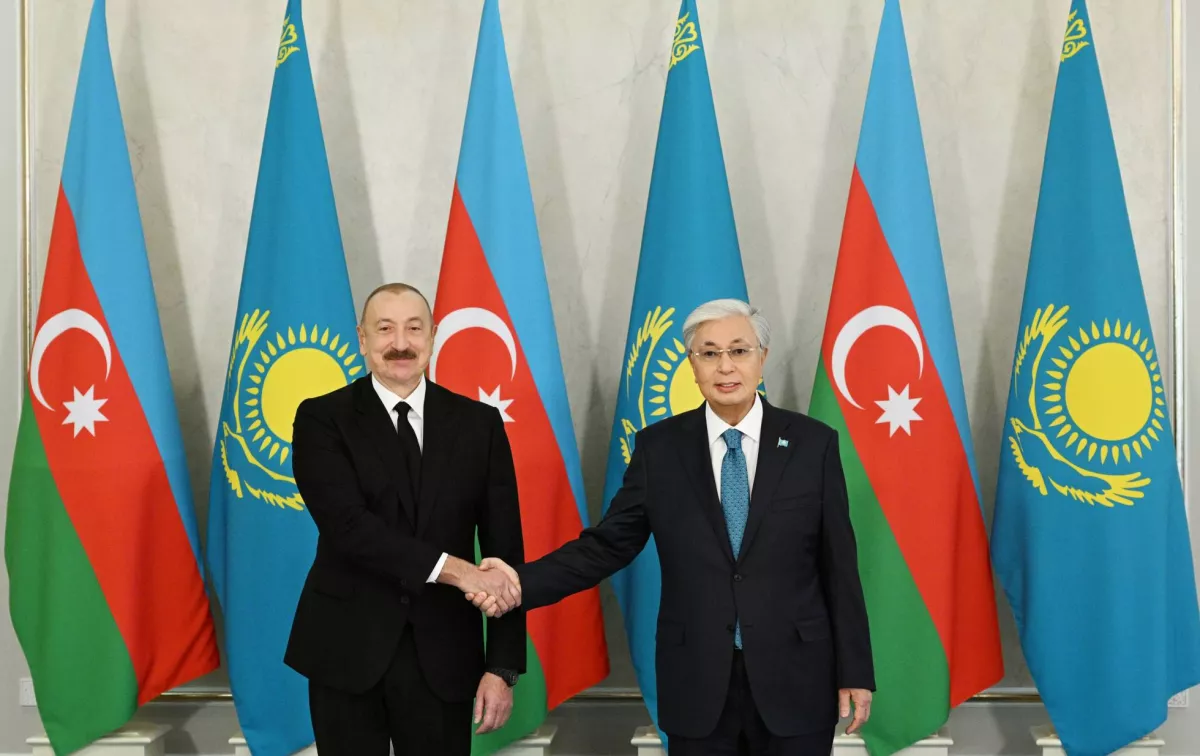
As the strategic ties between Baku and Astana strengthen, Israel naturally perceives new opportunities for economic and security engagement across Central Asia through this expanding partnership.
For Israel, this trilateral connection with Azerbaijan and Kazakhstan represents more than diplomatic courtesy; it offers a platform for broader dialogue in the Muslim world, founded on pragmatism and shared strategic interests. Both Baku and Astana have maintained balanced relations with Israel, while sustaining partnerships with the Arab world - a diplomatic equilibrium that few other nations have achieved.
Aliyev’s visit was also a declaration of the Turkic world’s growing self-confidence. Under his leadership, Azerbaijan has emerged not only as a regional power but as a bridge linking East and West - from the Caspian Sea to the Mediterranean. The Azerbaijani model of secular governance, economic openness, and cultural inclusiveness resonates strongly across Central Asia, offering an alternative to ideological rigidity and isolationism.
In essence, the Astana visit was not only a diplomatic success but a declaration that the center of Eurasia’s future lies within the Turkic world-led by a confident and visionary Azerbaijan.
The agreements signed between Baku and Astana - covering energy, transport, defense industry, and digital connectivity - reinforce this transformation. Each memorandum adds a new layer to the regional architecture of trust, complementing broader frameworks such as the Organization of Turkic States.
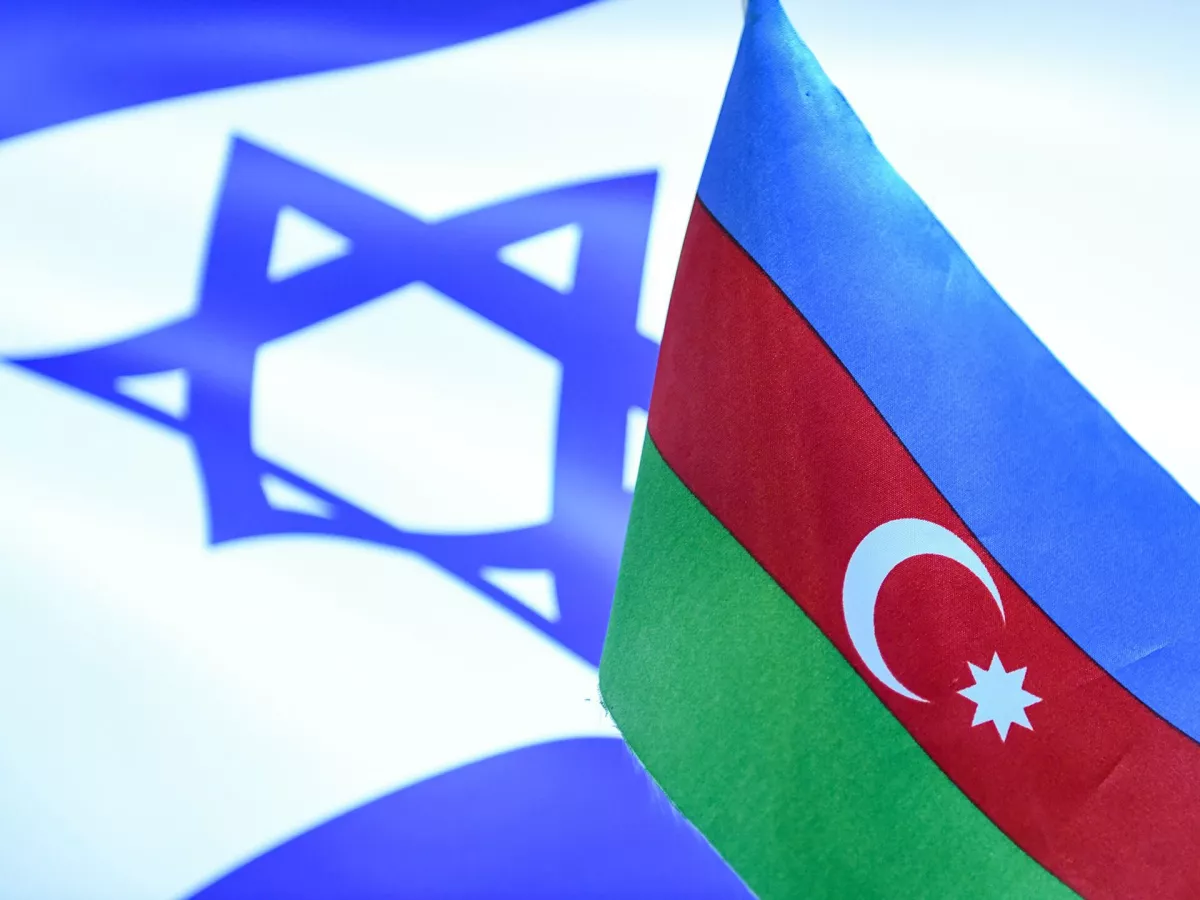
The Israeli perspective on this development is pragmatic and hopeful. Jerusalem views Azerbaijan as a vital strategic partner - a reliable interlocutor between the West, the Islamic world, and Central Asia. Kazakhstan’s inclusion deepens this to be a triangle of mutual benefit. Energy security, high technology, and defense cooperation form the backbone of this expanding relationship, while shared cultural respect ensures its sustainability.
President Aliyev’s vision of Turkic unity has therefore moved from rhetoric to reality. His visit to Astana was not only symbolic - it reflected the confidence of a nation that has rebuilt itself through resilience and foresight. The Eurasian heartland is evolving, and its pulse now beats in the rhythm of Turkic solidarity - a rhythm that echoes far beyond the steppe, reaching Jerusalem, Ankara, and beyond.
Rachel Avraham is the CEO of the Dona Gracia Center and the editor of the Economic Peace Center. She is the author of "Women and Jihad: Debating Palestinian Female Suicide Bombings in the American, Israeli and Arab Media
TOPICS: Iran; Israel; Mexico; Syria
KEYWORDS: armenia; azerbaijan; baku; caspiansea; iran; israel; kazakhstan; pipeline; turkey
Turkie has close cultural and linguistic affinity with Azerbaijan. (Turkish is mutually intelligible, barring these vocabulary differences, with the Turkic languages spoken in adjacent areas, such as Azerbaijani, Uzbek, and Turkmen. A speaker of Turkish can be understood as far east as Kyrgyzstan.) If Israel engages in armed conflict with Turkie, which way will Israeli proxy Azerbaijan swing?
If Israel and Turkey Entered Armed Conflict — How Might Azerbaijan Respond?
Azerbaijan sits in a difficult strategic triangle between Turkey, Israel, Russia, and Iran. Below is a concise analysis of how Baku would likely respond if Israel engaged in armed conflict with Turkey.
Key background
- Turkey–Azerbaijan ties: Deep ethno-linguistic, cultural, military, and intelligence cooperation — often summarized as “one nation, two states.” Turkish military support (including drones, training, and advisors) was decisive for Baku in 2020.
- Azerbaijan–Israel ties: A long-standing covert strategic relationship involving large-scale arms sales (notably drones and air-defence systems) and intelligence cooperation, especially directed at Iranian activities.
- Strategic constraints: Baku depends heavily on Ankara for defense logistics and regional political backing; it also values its discreet but important cooperation with Israel.
Likely Azerbaijani behavior in the event of Israel–Turkey war
- No overt military alignment against Turkey: Azerbaijan is extremely unlikely to take up arms against Turkey — the Turkic bond and security dependence on Ankara make that effectively impossible.
- Public diplomatic backing for Turkey: Expect official statements of solidarity, framed in pan-Turkic or regional-sovereignty language.
- Quiet distancing from Israel: Baku would probably suspend or sharply curtail visible cooperation with Israel — for example, restricting basing, overflight, or overt intelligence operations — while trying to avoid a complete rupture.
- Covert ties may persist but be frozen: The intelligence and security relationship with Israel might survive in secret, but operational collaboration would likely be limited or paused while hostilities continue.
Bottom line: Azerbaijan would likely side diplomatically with Turkey and avoid becoming a battlefield or an active Israeli partner during open hostilities. Baku would publicly back Ankara while trying to preserve discreet ties with Israel where possible — but operational cooperation with Israel would likely be curtailed during the conflict.
To: CharlesOConnell
Azerbaijani Govt. highly involved with organized crime, contrasted with Mexican Govt. under substantial influence of the Sinaloa & Jalisco New Generation CartelsCol. Douglas Macgregor is at pains to emphasize how the Narcotraficante Cartels pose a substantial risk to the security of the U.S. through its "soft underbelly".
And Azerbaijan, as a remote government strongly involved with organized crime, has emerged as an important player in military attacks on U.S. opponent, Iran. Contrasts between these two criminal governments.
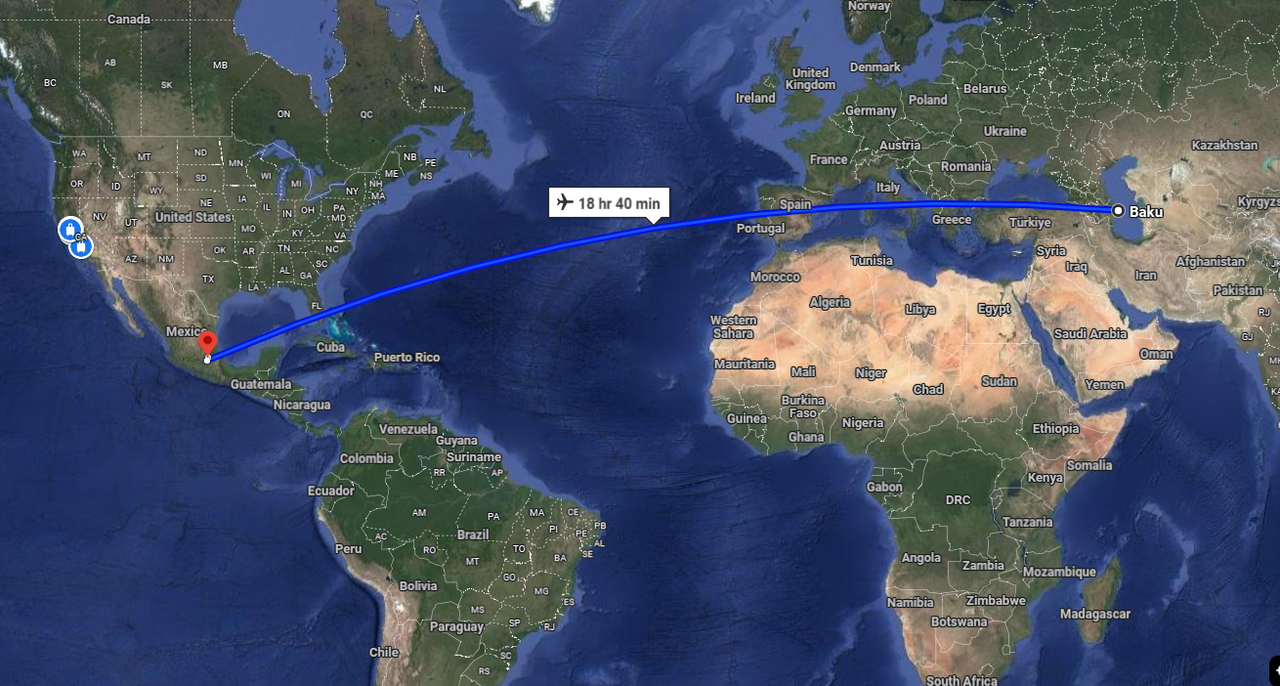
The comparison between the Azerbaijani regime under Ilham Aliyev and the Mexican state nominally led by Claudia Sheinbaum, yet heavily penetrated by the Sinaloa and Jalisco New Generation cartels, is not a contrast between a corrupt and a clean government—but rather a study in parallel forms of deep state criminal governance, each tailored to its geopolitical position and media environment. Both systems are textbook examples of state-criminal fusion, yet they differ in visibility, structure, and Western complicity.
Ilham Aliyev pictured, upper left

Azerbaijan: A Mafia State with Diplomatic Immunity
Ilham Aliyev inherited the presidency from his father, Heydar Aliyev, a former KGB general who converted his Soviet connections into a post-Soviet criminal fiefdom. What distinguishes Azerbaijan is the centralization of criminality. There is no competing mafia: there is only one, and it sits at the top of the state apparatus. The ruling family controls oil wealth, oversees heroin trafficking from Afghanistan through the Caucasus, and launders billions via Western institutions, particularly in London and Dubai, all under the protection of Western intelligence and diplomatic silence.
This tight structure allows for remarkable control. There are no major rival cartels operating in Azerbaijan. There are only vassals. The state is the cartel. Western complicity is essential: the Aliyev regime has bought off Western politicians, media figures, and think tanks through the so-called “Caviar Diplomacy,” securing immunity from criticism while maintaining a façade of strategic partnership—primarily to counterbalance Iran and Russia.
Mexico: A Fragmented Narco-State with Democratic Trappings

In contrast, Mexico’s narco-state is less centralized but no less criminal. The illusion of democratic governance remains more intact, at least for Western consumption. Claudia Sheinbaum, successor to López Obrador, serves not as a commander-in-chief, but as a figurehead presiding over a fractured sovereignty. Real power lies with the cartels, especially the Sinaloa Cartel and the Jalisco New Generation Cartel, which control large swaths of territory, law enforcement agencies, and military units.
Unlike Azerbaijan, where the state is the mafia, Mexico suffers from competing cartels that function as alternative governments in their respective regions. The level of violence, endemic corruption, and political assassinations are symptoms of this divided criminal order. Government agencies operate more like subcontractors for various cartels than independent institutions.
Key Differences
| Category | Azerbaijan (Aliyev) | Mexico (Sheinbaum) |
|---|
| Structure of Criminality | Centralized under the ruling family | Fragmented across multiple powerful cartels |
| Control of Territory | Total state control | De facto cartel rule in many regions |
| Relationship with the West | Protected asset for Western intelligence (esp. U.S. and Israel) | Occasionally scapegoated, selectively exposed |
| Media Image | “Authoritarian ally” | “Struggling democracy” |
| Corruption Visibility | Hidden behind oil wealth and diplomacy | Open warfare, killings, mass graves |
| Foreign Intelligence Links | Ties to Mossad, MI6, CIA | Cartels with historic CIA connections (e.g., Iran-Contra legacy) |
Shared Features
Despite these differences, both regimes are upheld by the same global system: a transnational elite that tolerates, enables, and profits from state criminality so long as it aligns with Western strategic or economic interests. Azerbaijan launders its heroin and oil money through London banks; Mexican cartels move product through routes under the surveillance—but not interruption—of American intelligence.
What we see is not governance versus anarchy, but two distinct models of integrated criminal rule—one sleek and diplomatically protected, the other chaotic and visibly violent—each molded to its geopolitical niche. Neither serves its people. Both serve the machinery of covert empire.
To: CharlesOConnell
Which country that never met a Turkic mafia state they didn’t love
To: CharlesOConnell
Russia ditched Armenia to take azerbaijan’s side because they had a oil. Now Azerbaijan and Armenia are friends because of their Mutual hatred of russia.
To: CharlesOConnell
What I find interesting is that even though Turkiye and Azerbaijan are leading Turkic nations, genetically both are less than 5% Turkic. This is apparent in the difference in features between the leaders of Azerbaijan and Kazakhstan
5
posted on
10/27/2025 7:17:08 PM PDT
by
Cronos
Disclaimer:
Opinions posted on Free Republic are those of the individual
posters and do not necessarily represent the opinion of Free Republic or its
management. All materials posted herein are protected by copyright law and the
exemption for fair use of copyrighted works.
FreeRepublic.com is powered by software copyright 2000-2008 John Robinson