
Posted on 12/02/2007 1:55:09 PM PST by BenLurkin
Flight testing is expected to resume as soon as next week at NASA Dryden Flight Research Center on an unusual aircraft shape intended to provide a more efficient means of cargo transport. The X-48B is a prototype scale model of a blended wing body aircraft - described as a cross between a conventional aircraft and a flying wing - believed to offer greater fuel efficiency by providing more lift and better aerodynamics.
The aircraft is shaped as an elongated triangle, with a smooth line from the fuselage extending out into the wings.
The shape is "a very efficient way of carrying a large volume through the air," said Gary Cosentino, Dryden project manager for the X-48B.
The program is a joint effort of The Boeing Co.'s Phantom Works and the Air Force, with engineering and flight test support from Dryden.
Made primarily of composite materials, the 8.5%-scale test model is 21 feet wide and weighs approximately 400 pounds. Intended for low-speed, low-altitude research flights, its three small turbojet engines produce a top speed of 138 mph. The vehicle has a maximum altitude of 10,000 feet.
For flight tests, the model is piloted from a control room on the ground with Boeing C-17 test pilots at the controls.
The aircraft flew six times this summer before being grounded in September for maintenance and software changes.
"The six flights were everything we hoped for and more," Cosentino said. "The airplane flies great. We're very happy with it."
After the first round of flights, the project team decided to dismantle the aircraft and give it a thorough inspection, prompted in part by a manufacturer's recall on some of the electronic actuators, Cosentino said.
The actuators required inspection, and "in order to do that, we basically had to tear the airplane apart," he said.
(Excerpt) Read more at avpress.com ...
Where’s the pretty pictures?
|
Neat artist rendition of future passenger liner; complete with futuristic skyline.
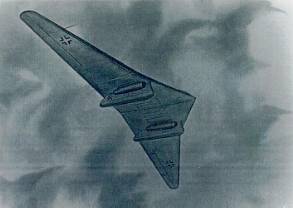
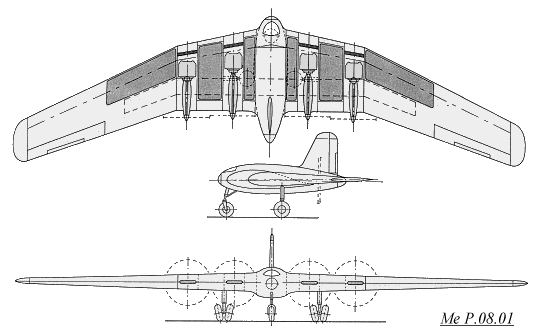
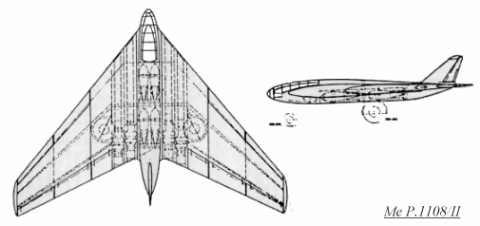

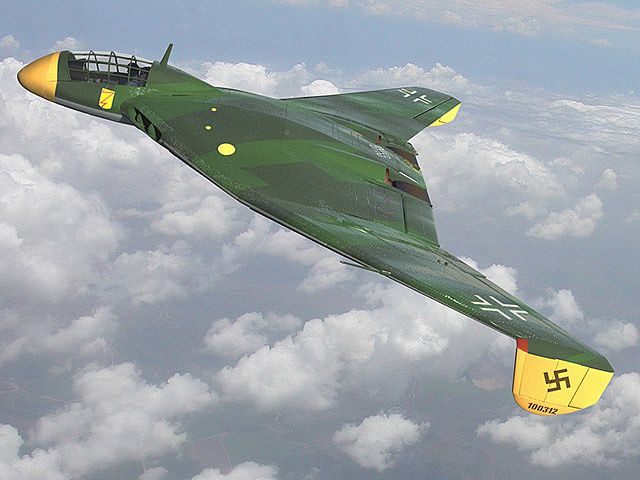
Oh My, almost makes me want to go back to work. Almost, but not quite.
 ???
???
bump
This is being developed for cargo and military use. They already know passengers won’t like it.
I’d rather fly on the one in the background with three engines then the one with two engines. What happens if one of the engines fails on the two engine one, do these things still fly.
Whew! When I read the title I thought it was a Frankenstein thread.
> I’d rather fly on the one in the background with
> three engines than the one with two engines.
They both have three engines. Whoever modelled that
imagine presumed that production BWBs would have
the same 3 engines as the scale proto. May not.
Could have two, or four, as easily. May even be
buried in the BWB.
> What happens if one of the engines fails on the
> two engine one, do these things still fly.
They can likely cruise on one engine.
Lose that, you drop the RAT and glide to the
nearest airport, just as with today’s airliners.
FR lately looks as if it’s bee invaded by a certain
MPD poster child from news:rec.aviation.military
(not you, RB).
If one of those things ever stalled, I don’t think it could recover.
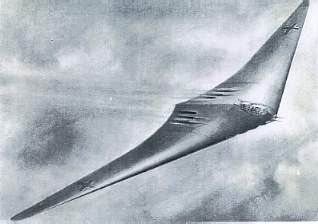
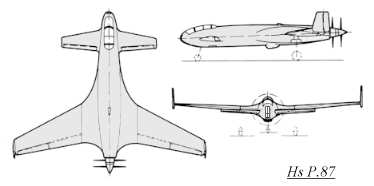
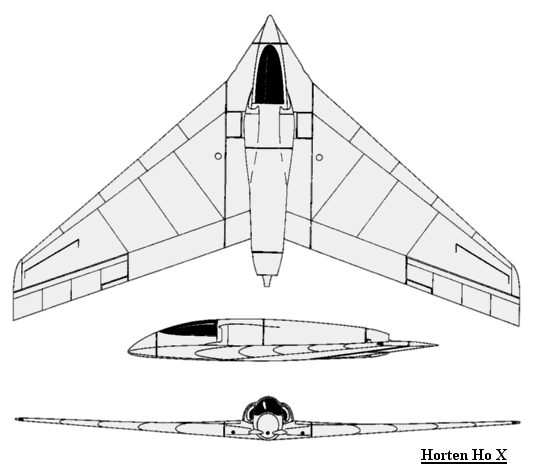
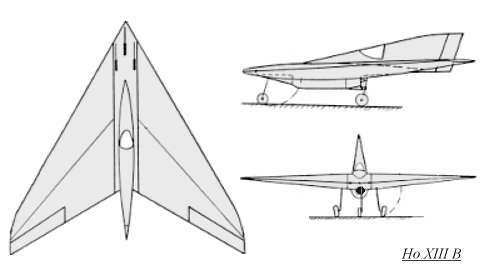
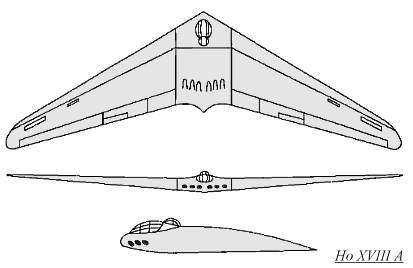
Those Horton brothers knew something about aerodynamics...and they didn’t even own a computer!
(Would be very nice if they would build them here)
> If one of those things ever stalled,
> I don’t think it could recover.
In which case the software will never allow it to stall.
Hmmm... controlled flight into terrain,
or uncontrolled flight into terrain.
Tough choice :-)
BWB makes sense, but it may take more than B-2
flybys to sell the general public.
Disclaimer: Opinions posted on Free Republic are those of the individual posters and do not necessarily represent the opinion of Free Republic or its management. All materials posted herein are protected by copyright law and the exemption for fair use of copyrighted works.