To: All
artyst.com
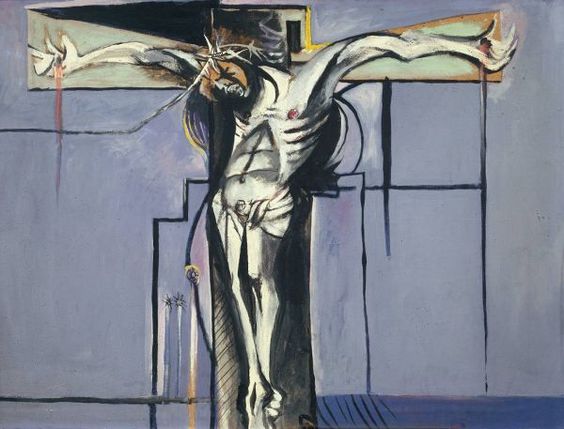
The extent to which Picasso's work employs spiritual themes and, often, traditional religious iconography, has been most fully explored in The Religious Art of Pablo Picasso (University of California press 2014).
Jane Daggett Dillenberger and John Handley address Picasso’s cryptic 1930 painting of the Crucifixion; the artist’s early life in the Catholic church; elements of transcendence in Guernica; Picasso’s later, fraught relationship with the church, which commissioned him in the 1950s to paint murals for the Temple of Peace chapel in France; and the centrality of religious themes and imagery in bullfighting, the subject of countless Picasso drawings and paintings.
15 posted on
05/23/2026 8:35:45 AM PDT by
Liz
(Winston Churchill: “Nothing in life is so exhilarating as to be shot at without result.”)
To: All
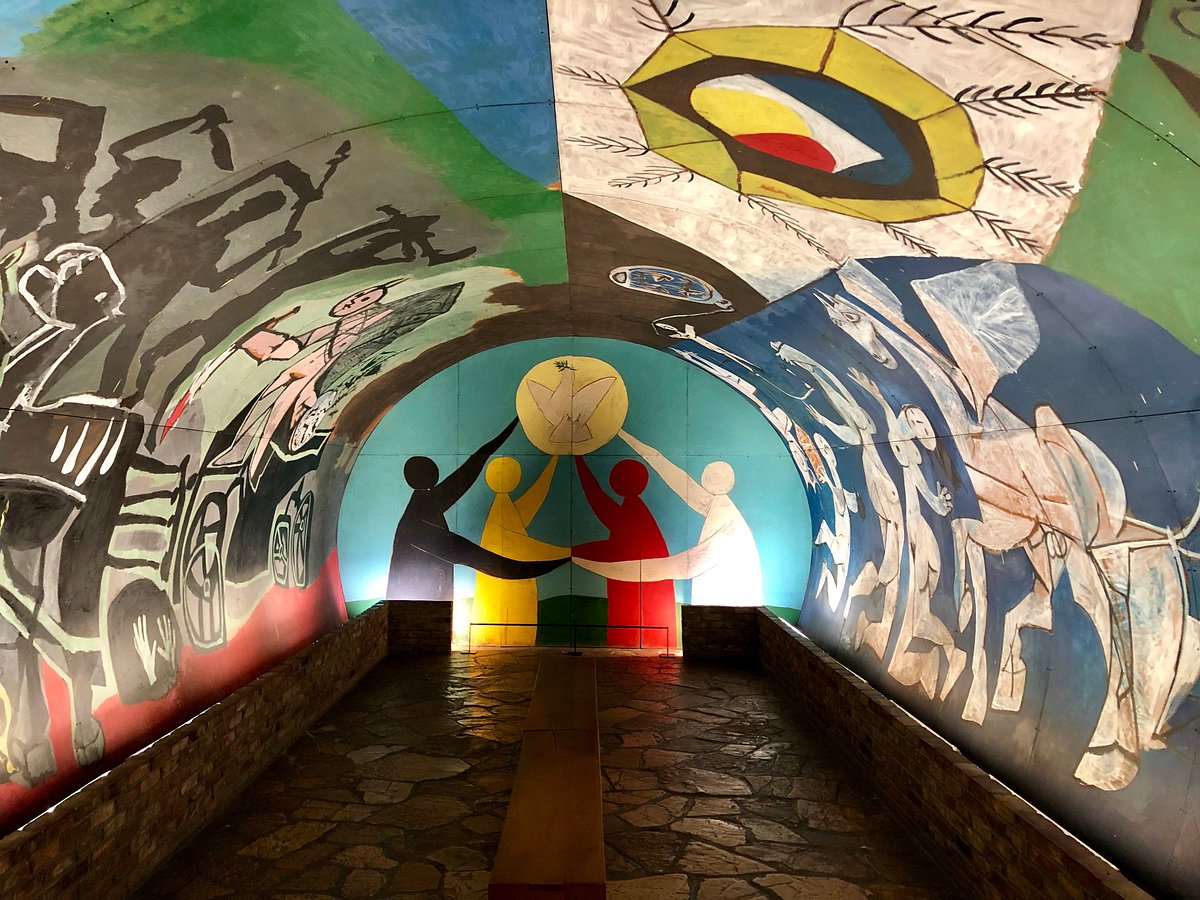
The Catholic church commissioned Picasso (an avowed atheist who
was raised Catholic) to paint murals for the Temple of Peace chapel.
Picasso’s mural La Guerre et la Paix (War and Peace), painted in 1952–1954, is housed in a deconsecrated Romanesque chapel in Vallauris, France, which was transformed into a secular "Temple of Peace". These monumental panels, spanning over 100 \(m^{2}\), are considered one of his most significant post-WWII political statements.
16 posted on
05/23/2026 8:53:17 AM PDT by
Liz
(Winston Churchill: “Nothing in life is so exhilarating as to be shot at without result.”)
FreeRepublic.com is powered by software copyright 2000-2008 John Robinson