
Posted on 01/15/2026 9:57:44 AM PST by MtnClimber
On January 15, 1972, a song unlike any other in popular music history soared to the top of the American charts — “American Pie” by singer-songwriter Don McLean reached No. 1 on the Billboard Hot 100, beginning a remarkable four-week run at the summit of the pop charts.
Recorded in May 1971 and released later that year, “American Pie” was more than just another folk-rock single; it was an epic musical poem that captured the imagination of listeners across generations. At over eight minutes long, the complete version of the song was unusually extended for a single, yet its depth and scope resonated so strongly that it became one of the longest songs ever to top the Billboard Hot 100 — a record it held for nearly fifty years.
At its heart, “American Pie” is a tapestry of nostalgia, cultural reflection, and symbolic lyricism. The song famously references what McLean dubbed “the day the music died” — the tragic February 3, 1959 plane crash that claimed the lives of rock pioneers Buddy Holly, Ritchie Valens, and J.P. “The Big Bopper” Richardson. This event served as both a literal and metaphorical starting point for McLean’s sprawling meditation on the evolution of American culture and music from the innocence of the 1950s through the upheavals of the 1960s.
While McLean himself often declined to offer definitive interpretations of the song’s dense allusions, fans and scholars alike have long debated the meanings behind images of “the jester,” “the king,” and the “marching band,” viewing them as reflections on figures and forces that shaped the era’s musical and social landscape. The ambiguity of the lyrics only deepened the song’s mystique and helped cement its place in the cultural canon.
The commercial success of “American Pie” was extraordinary. After entering the Billboard charts at number 69, the song climbed steadily, reaching the top spot on January 15 and dominating for a month. It also achieved international chart success, topping charts in countries like Australia, Canada, and New Zealand.
More than just a chart-topping hit, “American Pie” became a defining anthem of a generation, emblematic of a musical era and the emotional terrain of a country in transition. Its blend of poignant reminiscence and sharp cultural observation spoke to the collective consciousness of listeners, making it one of the most enduring songs in rock history. Even decades later, its influence persists — the song has been covered, analyzed, and celebrated as one of the great American pop classics, ensuring that its legacy endures with each new audience that hears its unforgettable refrain.
Belly LOL !
Torn Between Two Lovers must make you want to go postal.
It came out right about the time when contemporary music no longer interested me.
The Ocean theme was big back then.
An earlier example from across the shores:
“Hail Atlantis!” by Donovan, of Glasgow, Scotland.
Way down, below the ocean, is where, I wanna be,
She may be!
That's what many fans and analysts believe, but McLean has explicitly denied it. He says these figures of jester, king and queen are merely symbolic about changes and trends in popular music and culture of his era.
On the other hand, he has admitted that the first lines do indeed refer to Buddy Holly.
There is a song on the American Pie album called “Vincent” about painter Vincent van Gogh.
Beautiful, sad and tragic all at once, it never fails to get me a bit emotional every time I hear it.
“You’re So Vain” makes me want to take hostages. 😏
For fans of the song, check out this early version with a few slightly different lyrics performed live for the University of Maryland’s radio station.
It’s about 95% the same as the recorded version but an axample of a variation: “...when he’d enough of that, he pinched the queen and passed the hat...”
“Early Don McLean recording of American Pie” WMUC Radio
https://www.youtube.com/watch?v=84fIdYLxsQ4
The brief commentary at the end is fascinating, as the WMUC DJ, hearing this extraordinary song for the first time is obviously quite stunned and nearly speechless... “...if you’ve been listening you’ve quite a dynamite performance. To hear something like this on a Friday afternoon at 4 o’clock...”
The song was well performed, but it didn’t have a lot of meaning for me. I was mostly raised on Motown, Bob Seeger, Alice Cooper, Laura Nyro, Carly Simon and Issac Hayes
**For me, the best thing about Don McLean is that he was the inspiration for mostly unknown songwriter
Lori Lieberman, who wrote the lyrics to
“Killing Me Softly With His Song” after seeing Don McLean in performance. Lori recorded it in 1972, but Roberta Flack reworked it, and released a recording in 1973, which became a major hit. Roberta inserted the melodious “Oh Oh Oh” wail after the middle bridge. That was all her.
Pretty sure this was the first 45 RPM record I bought. 89 cents at Hills Department Store.
The song imo is brilliant. The references from everything to “This will be the day that I die” to Presley, Dylan, Jagger, Altamont are pretty obvious.
I do believe that Vincent is a better song though.
I would imagine "I'm Woman Hear Me Roar" would make you kill them.
Thank you. That I Am. It’ll be 57 years this 4th of July. (And I have never forgotten an anniversary date. 😁)
My antideluvian baby!
Never liked that whiny song.
Lol! I haven’t heard or read that word in a long time.
I had to look it up.
I think the spelling is ‘Antediluvian’ meaning the biblical period before Noah’s flood, back when folks like Methuselah had long life spans.
Seriously overplayed on AM and sometimes FM but it’s stood the test of time and I sing along in my donkey voice to the end.
The plane was heading to Hector Field in Fargo, ND.
Buddy Holly and the others were going to perform at the old Moorhead Armory in Moorhead, Minnesota.
Bobby Vee and the Crickets performed in their places which in turn helped jump start Vee’s career.
As an aside in the fall of 1967, I went to a tri-college dance held for the freshmen from North Dakota State University, Moorhead State College, and Concordia College. At the time Concordia College prohibited dances from being held on its campus.
______________________________
The song has special meaning to me, being raised on a family farm south of Fargo. I vividly remember hearing on the radio the morning after that the plane had crashed in a blinding blizzard, in a cold wind swept stubble corn field a few miles south of the family farm on its way to Fargo. McLean’s memorializing in song of that tragic event will live with me forever.
Yes.
If you ever close to Northern Iowa, stopping there is a must do.
.webp)
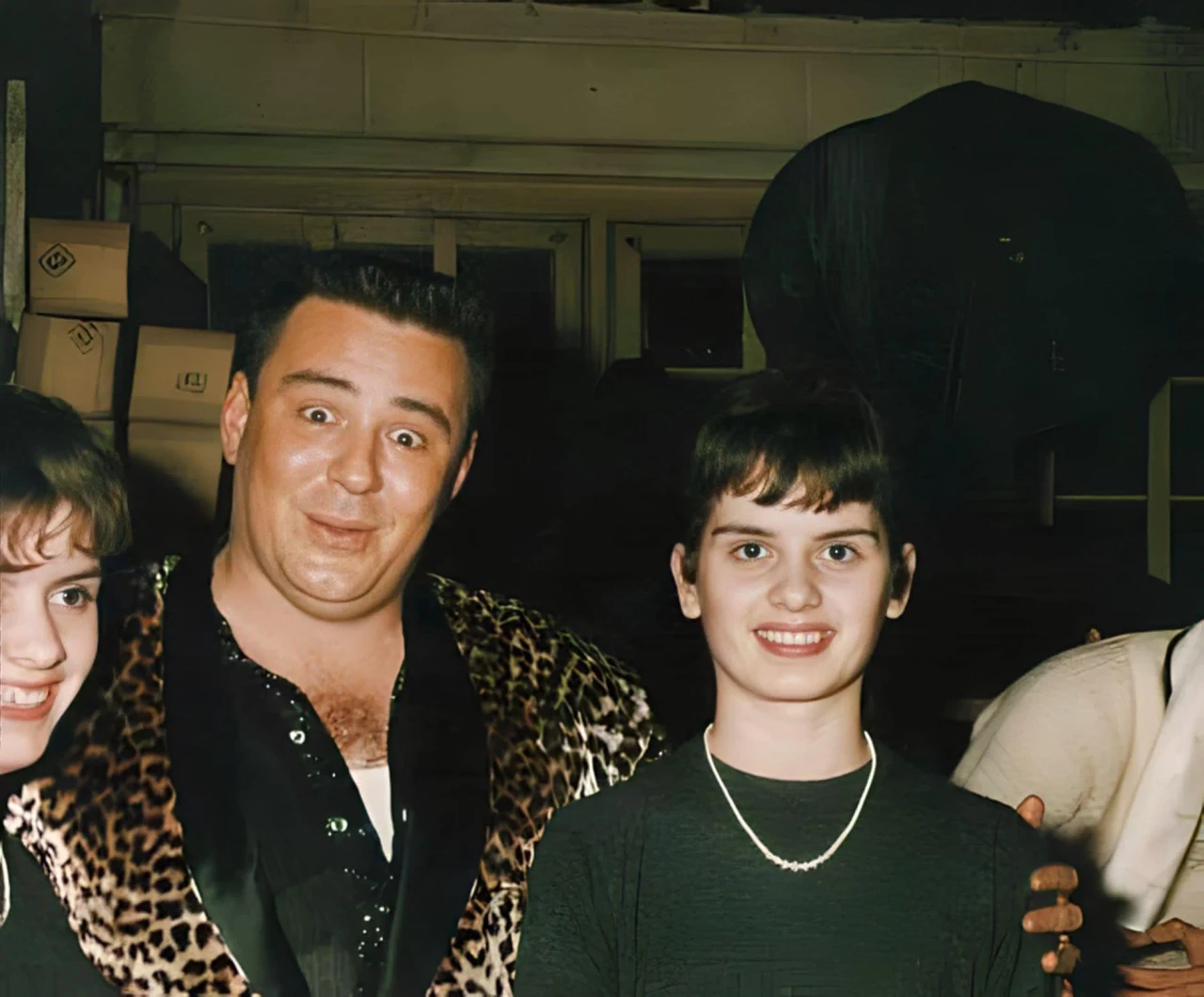
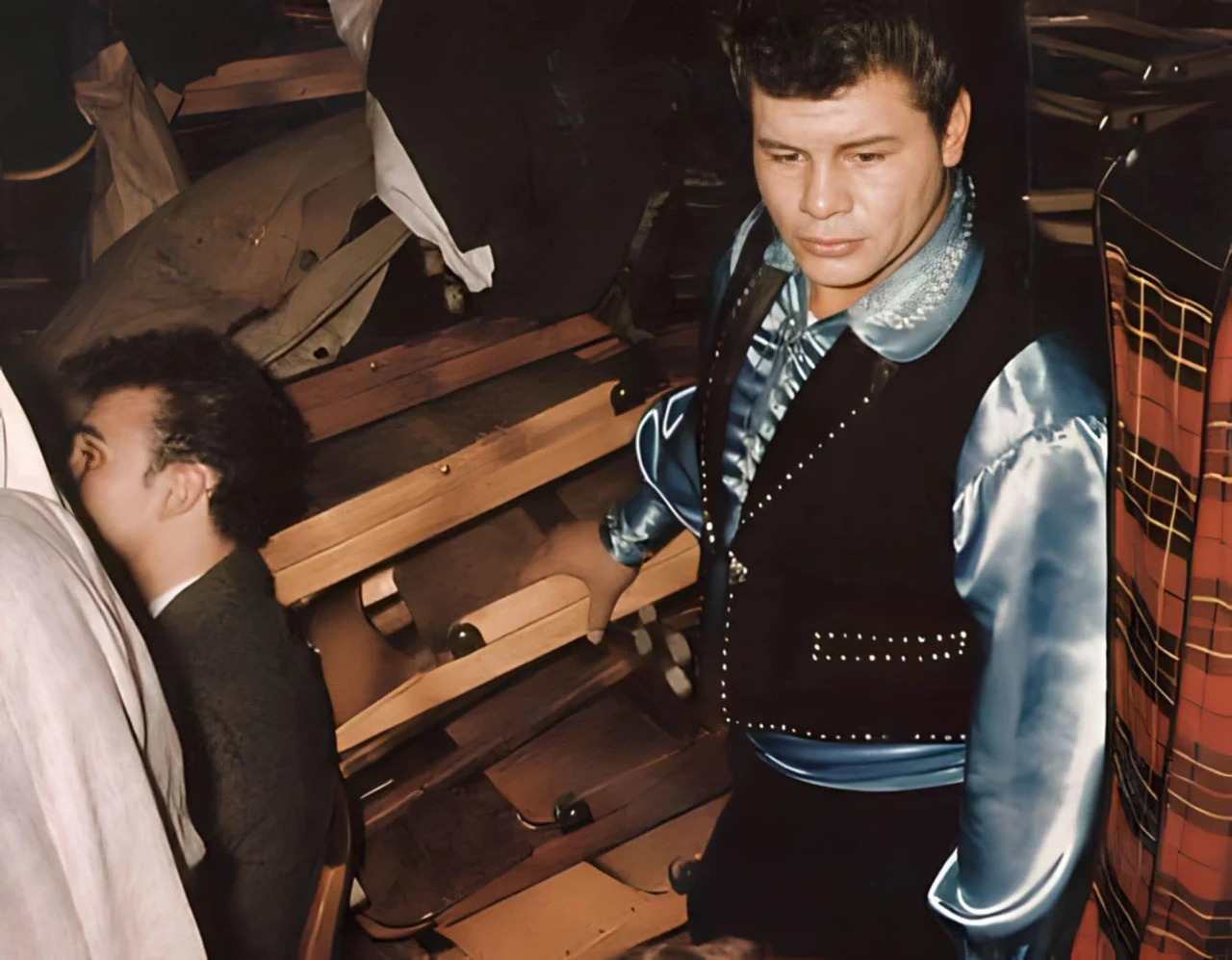
This is Dion and the Belmonts singing "Teenager in love" backstage to Buddy Holly, at least that's what Dion said.
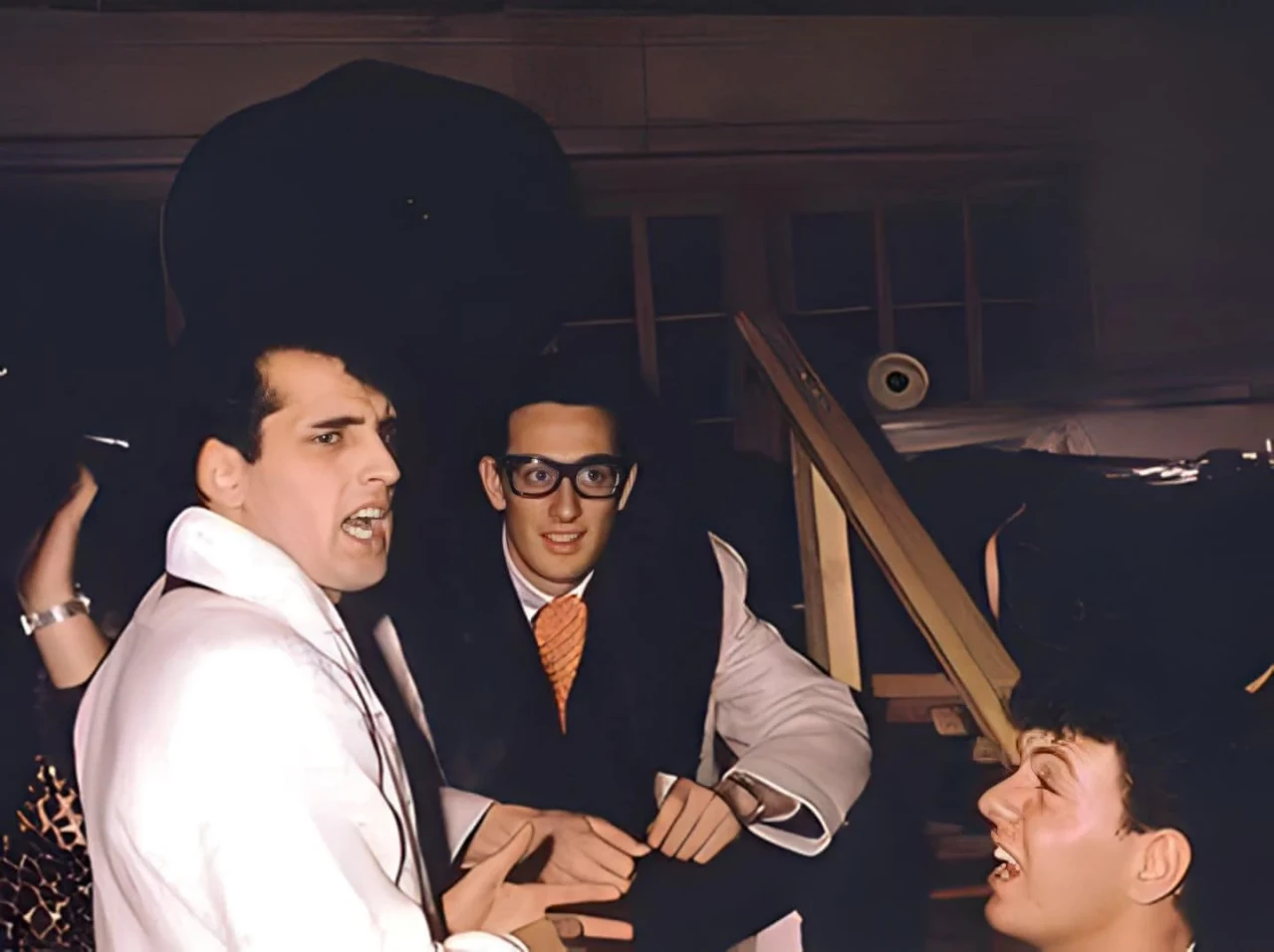
I never have figured out how a guy can milk one song for over 50 years.
A long, long time ago.
Disclaimer: Opinions posted on Free Republic are those of the individual posters and do not necessarily represent the opinion of Free Republic or its management. All materials posted herein are protected by copyright law and the exemption for fair use of copyrighted works.