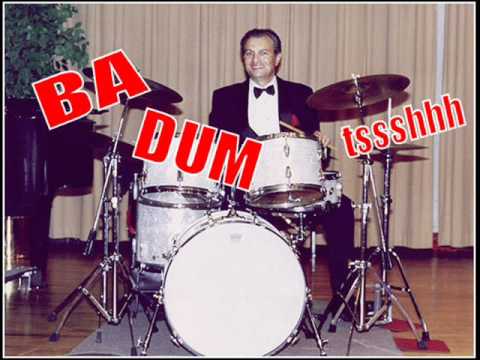
The jokes are why I came by.
Posted on 11/18/2024 8:47:25 AM PST by SeekAndFind
Star Wars fans might recall Obi-Wan’s Jedi mind trick in A New Hope when he tells stormtroopers, “These aren’t the droids you’re looking for.” Were Star Wars writers wrong about the placement of the preposition “for”? Should Obi-Wan instead have said, “These aren’t the droids for which you’re looking”? The latter sounds unnatural (and much more Yoda-esque, to be honest). Situations like these have caused grammar reformers to question or outright rebel against this “rule” about not ending sentences with prepositions.
Prepositions explain one noun’s relation to another, often indicating where or when. They can tell you if a cat is above, below, beside, or under the bed, and they also indicate if the cat hid there before, during, or after dinner. Some argue against ending a sentence with a preposition because it indicates a relationship between two words. They reason that a sentence might seem unfinished if a second noun isn’t included after the preposition. However, ending a sentence with a preposition isn’t the grave grammar mistake that some make it out to be.
Consider this sentence: “The vase was on the table until the cat knocked it off.” Ending with the preposition “off” sounds natural. By the same token, “That’s what I’m talking about” sounds better than “That’s about which I’m talking,” and the structure of “I have no eggs to bake with” is more common than “I have no eggs with which to bake.” As you can see, context and structure matter.
However, just because it isn’t wrong doesn’t mean it’s always right. Sometimes, that ending preposition is redundant. Asking a friend, “Where are you at?” or “Where are you going to?” falls into this trap with unnecessary prepositions. “Where are you?” and “Where are you going?” are complete questions. To avoid this mistake, try removing the end preposition and see if the sentence still makes sense.
To give some context, the argument for the rule dates back to the 17th century. Grammarians tried to instill Latin preposition placement rules into English, resulting in some believing these were hard-and-fast English rules. In modern English, preposition placement comes down to writing style — there’s no need to adhere to an arbitrary centuries-old rule. Today, most grammar guides and syntax experts agree that ending a sentence with a preposition is OK if it sounds natural and doesn’t break any true grammar rules.
I’m sure the anal retentive, checkers of spelling, will be chiming in very soon.....LOL!
Kind of
The jokes are why I came by.
Clever linguist, you are (said in Yoda speak). But the reference is specifically to Harris who is neither adjective nor adverb. She is before, after all.
Or better still:
"What did you bring that book about down under up for?"
Regards,
Read article later. I read extensively on language rules, when I was in high school. I no longer remember the preposition rules.
Disclaimer: Opinions posted on Free Republic are those of the individual posters and do not necessarily represent the opinion of Free Republic or its management. All materials posted herein are protected by copyright law and the exemption for fair use of copyrighted works.