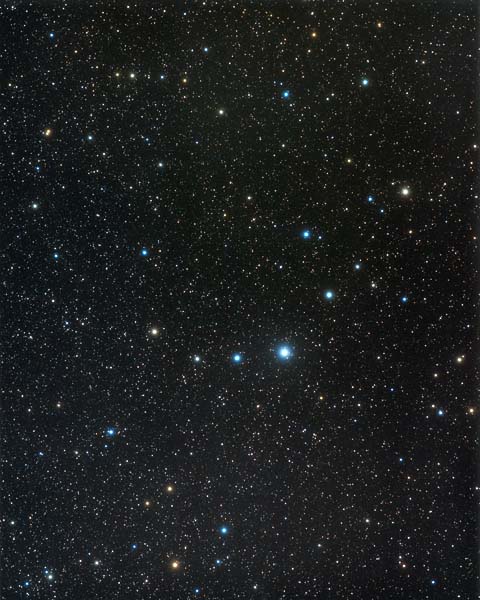
And here is with the "new" star, probably exaggerated in comparative brightness:
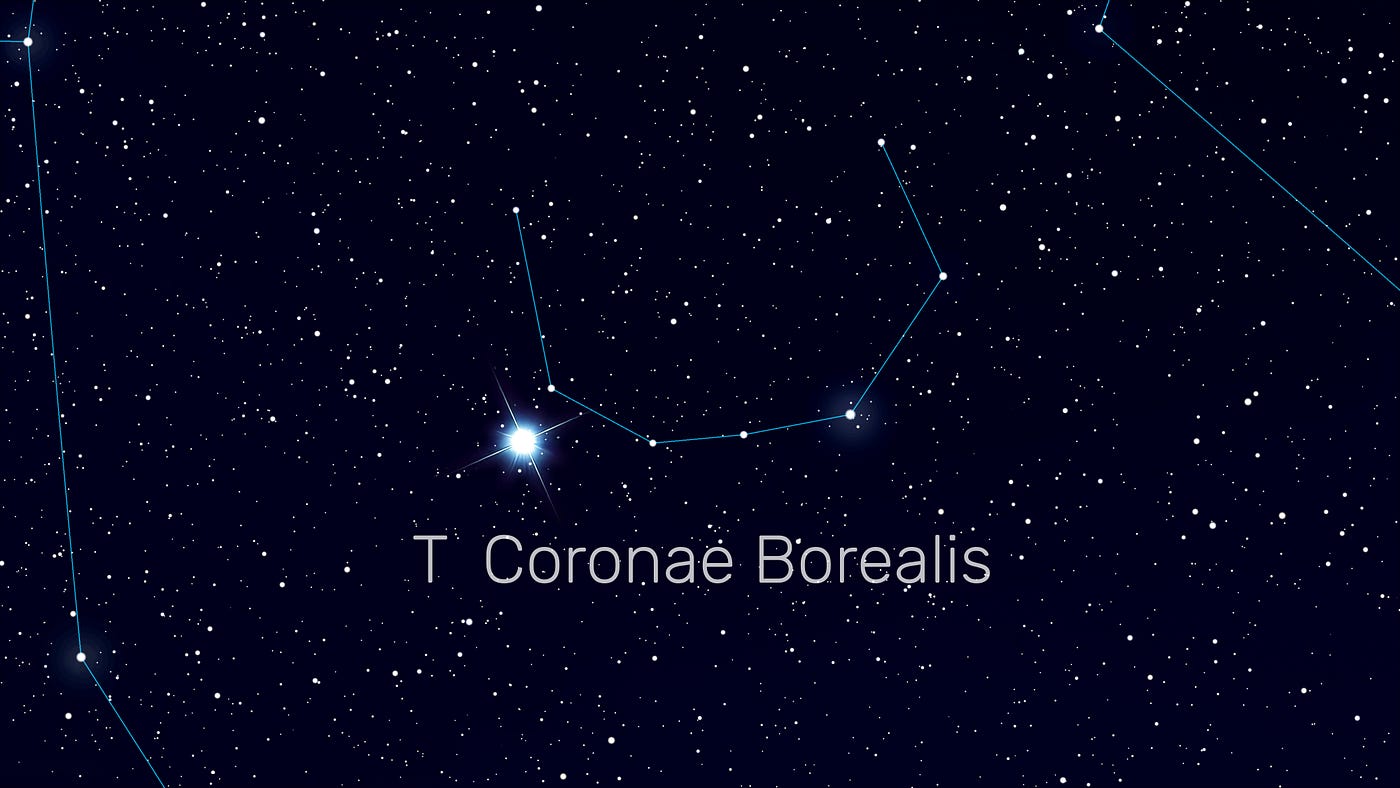
I have Stellarium mobile, which makes it pretty easy to find at night (when it's up), but the light pollution is getting pretty bad in my city these days.
Btw, Stellarium is a nice program and I use similar platforms to control a telescope mount by simply clicking an object on the celestial map that I want to the scope to move to. Once everything aligned precisely, the object appears exactly in the cameras center of field of view.