No, it wasn't a lock. Seven of those slave states were already gone and weren't coming back. Other slave states might join them. They didn't trust the Republicans and weren't satisfied with the proposed guarantee.
Only three free states ratified the Amendment — Ohio, Rhode Island, and Michigan — and two slave states — Maryland and Kentucky (so did the Unionist government of Virginia that later became West Virginia, but that may not have counted).
The chances the amendment would pass the legislatures the remaining states weren't good. A 3/4ths majority was required and there was enough anti-slavery sentiment to shoot down the amendment or delay it to the point were it would be moot.
33 or 34 states at the time. 26 or 27 still in the union. Depending on which figure you use that means that 9 or 7 states could defeat or delay the amendment. Maybe my math is wrong, but it was anything but a lock.
It's strange that you are so cynical but take Seward at his word. He was trying to sell the amendment, so of course he made claims for it that exaggerated its strength.
No, it wasn't a lock. Seven of those slave states were already gone and weren't coming back. We know that in hindsight, but in March of 1861 it was a reasonable possibility. This is why Lincoln wrote to each of those governors informing them of the passage of the Corwin amendment.
It's strange that you are so cynical but take Seward at his word. He was trying to sell the amendment, so of course he made claims for it that exaggerated its strength.
New York controls commercial access for the great lakes states to the sea. I have come to view these states as a sort of cartel, and even their voting patterns show that they simply follow New York's lead most of the time.
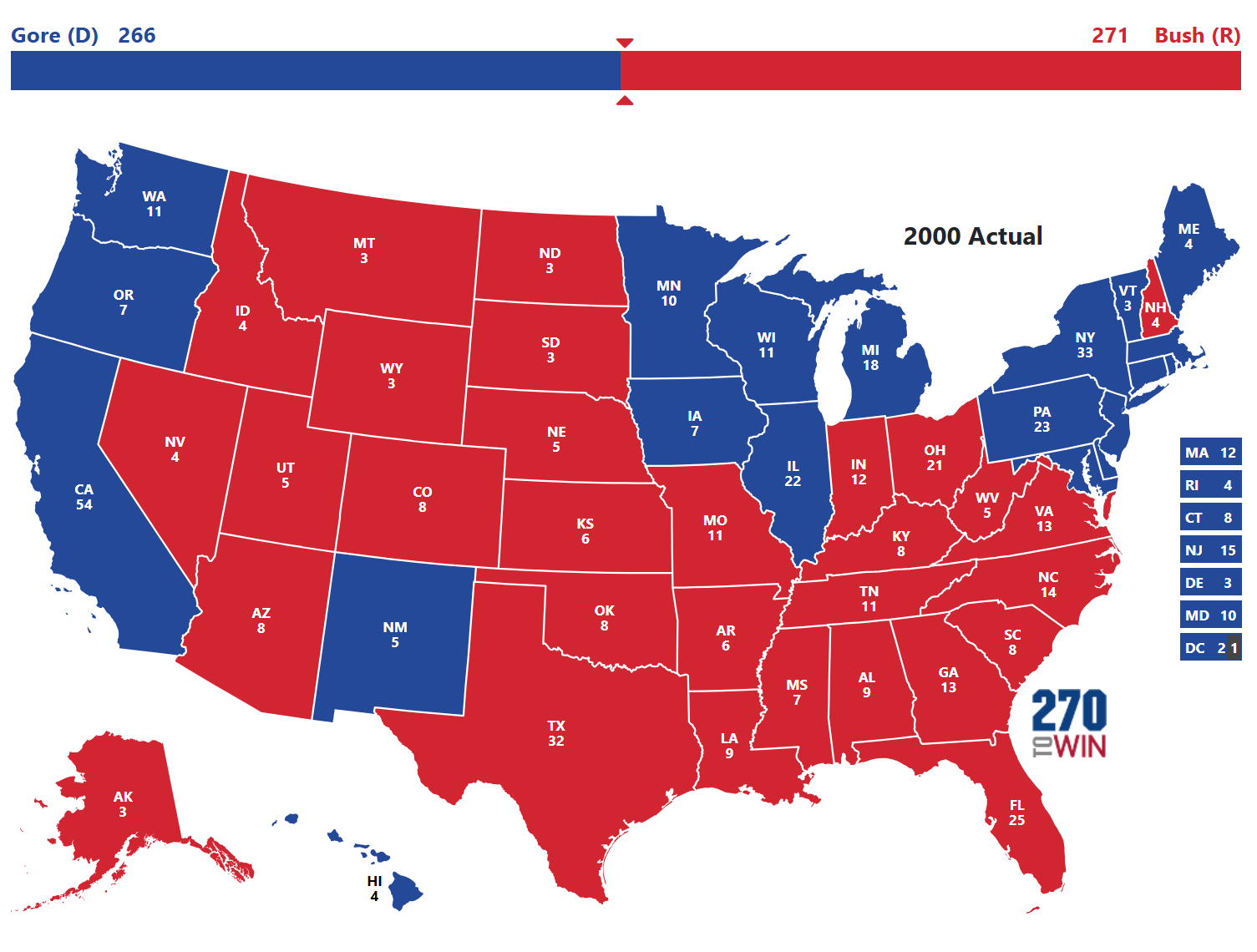
With New York the primary beneficiary of the Southern states production, it is inconceivable to me that the state would not do what was most in their financial interest.
It isn't cynicism, it is having faith that humans will pursue their own self interest.