Posted on 02/17/2026 8:50:09 PM PST by SeekAndFind
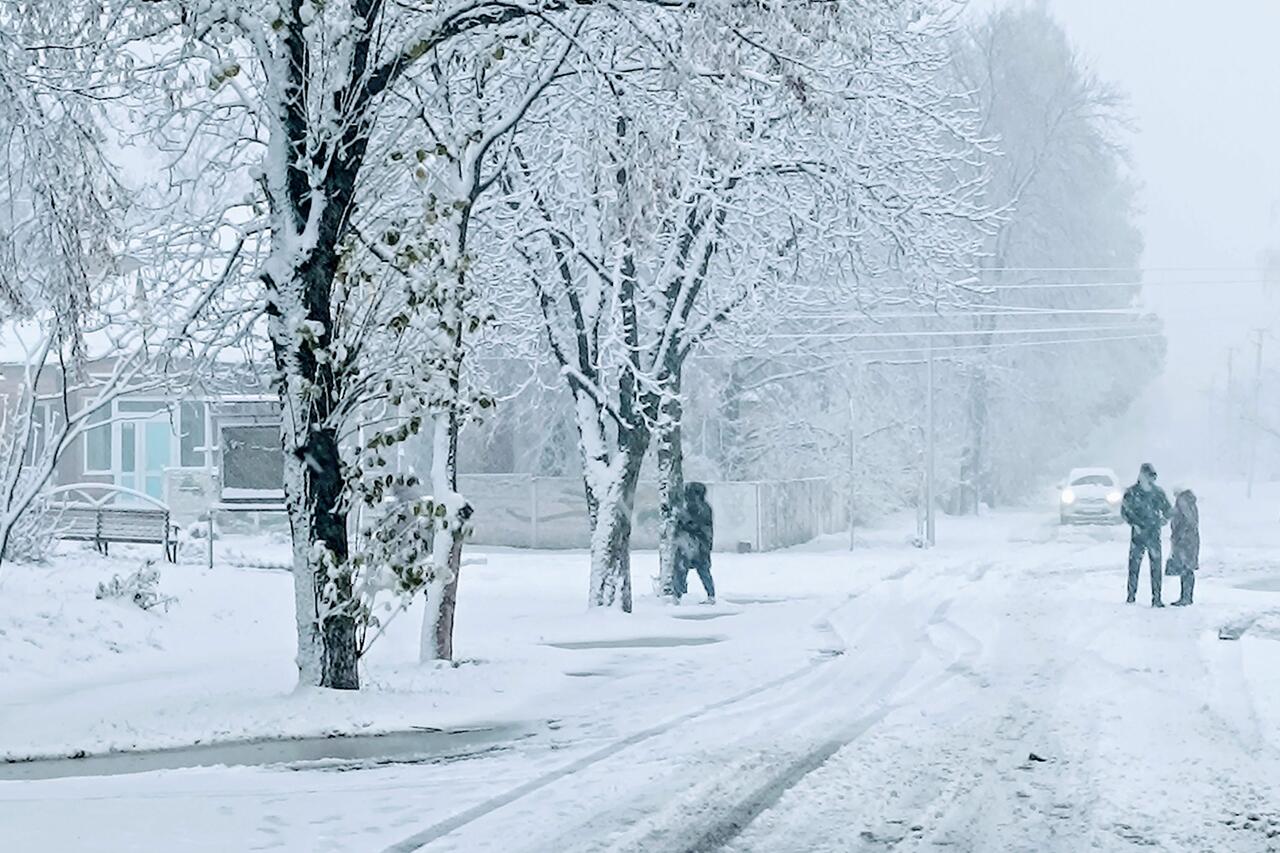
When Winter Storm Fern swept across much of the United States in mid-January 2026—bringing snow, ice, and sustained sub-zero temperatures from Texas to New England—millions of Americans braced for power outages. In some areas, those fears were realized. Tennessee alone reported more than 245,000 customer outages at peak conditions. At the same time, natural gas prices spiked dramatically, exceeding $30 per MMBtu at certain constrained delivery points within the PJM Interconnection.
Yet despite the severity and duration of the storm, the national electric grid largely held. Hospitals remained open. Emergency services stayed online. Most homes stayed warm. That outcome was not accidental. It was the result of dependable, dispatchable generation—chief among it, coal.
During the coldest days of the storm, coal-fired generation across the Lower 48 surged, rising from roughly 70 gigawatt-hours per day to approximately 130. That additional generation represented a massive increase in available power at precisely the moment when electric heating demand spiked and system margins tightened. In practical terms, coal generation helped keep power flowing to tens of millions of households nationwide, sustaining heat and essential services during the most extreme conditions of Winter Storm Fern.
Coal plants responded exactly as they are designed to do: steadily, predictably, and at scale. In the Midcontinent Independent System Operator (MISO) region, coal supplied as much as 40% of electricity during peak hours. In PJM, coal accounted for roughly one-quarter of total generation. These were not marginal contributions—they were foundational to grid stability.
The contrast with weather-dependent resources was unmistakable. Wind generation declined as turbines iced over or were curtailed for safety. Solar output fell sharply as panels were covered by snow and daylight hours shortened. Hydropower faced limitations from frozen waterways and constrained inflows. Each of these resources plays a role in the broader energy mix, but Winter Storm Fern underscored their limitations during prolonged, widespread cold.
Coal’s advantage in these moments is straightforward: on-site fuel. Stockpiled coal insulated power plants from supply chain disruptions at precisely the moment when other fuels faced constraints. This is not a theoretical benefit. It is a practical one that has been demonstrated repeatedly during extreme weather events.
That lesson should sound familiar. After Winter Storm Uri in 2021, coal was often blamed for grid failures. Subsequent analyses showed the most significant disruptions stemmed from widespread natural gas system freeze-offs—not coal plant performance. In the years since, coal facilities invested in winterization, fuel access, and operational readiness. During Winter Storm Fern, those preparations paid off.
Federal policymakers recognized this reality in real time. The U.S. Department of Energy issued emergency orders under Section 202(c) of the Federal Power Act, temporarily allowing certain coal units to operate at higher output to maintain grid stability. Similar actions in 2025 prevented the premature retirement of coal plants in Colorado, Indiana, Washington, and Michigan—preserving more than 17 gigawatts of firm coal capacity that otherwise faced near-term shutdown.
These decisions were not ideological. They were driven by reliability.
Warnings from grid authorities reinforce the point. The Department of Energy and the North American Electric Reliability Corporation have both cautioned that continued coal retirements—without equivalent replacement by firm, dispatchable resources—increase the risk of outages, particularly during extreme winter conditions. At the same time, electricity demand is rising rapidly due to data centers, electrification, and industrial growth. The margin for error is shrinking.
Coal is not static. Modern coal plants operate with advanced emissions controls, improved efficiency, and increasingly sophisticated monitoring. Mining practices have evolved, and research into carbon management and advanced coal technologies continues. Coal also remains essential for steelmaking and other industrial uses, making domestic production a matter of economic and strategic importance.
Affordability matters as much as reliability. Regions that retired coal prematurely have often experienced higher electricity prices and greater exposure to fuel volatility. Coal’s stable fuel costs and on-site inventory provide a measure of price certainty that consumers increasingly lack—especially during weather emergencies, when energy costs hit household budgets the hardest.
Winter Storm Fern delivered a clear message. When the grid was under maximum stress, coal did not merely contribute—it carried a substantial share of the load. A resilient energy strategy does not eliminate reliable resources before dependable replacements are ready. It builds a diversified generation portfolio that includes coal, natural gas, nuclear, and emerging technologies, each performing the role it does best.
America’s energy future depends on reliability first. During one of the harshest winter tests in recent years, coal proved once again that it remains an essential part of keeping the lights on—and the heat running.
Emily Arthun is current CEO of the American Coal Council, she brings over twenty years of experience across the coal and hard-rock mining sectors Prior to her role at ACC, she worked with the Women’s Mining Coalition, supporting advocacy for domestic mining. Her industry experience includes Stillwater Mining Company and Cloud Peak Energy. She serves on the Washington Coal Club and Women’s Mining Coalition boards.
Bookmarked and shipped to family. Got a few tree-huggers in there and I’m working on them.
Yeah these guys have an axe to grind but they’re mostly correct. Need to include nukes in dispatchable power sources.
I never understand how it is, that we started naming winter storms the way we name hurricanes.
Coal and natural gas are both great. Our new clean burning coal plants take coal and turn it into electricity cheaply as does natural gas. Both emit little pollutants with the exception of plant food also known as CO2. The coal fired emit more CO2 than gas fired but it is still plant food. A clean burning coal plant is an asset to the environment. The problem with natural gas is capacity of delivery in very cold conditions that require great amounts of electricity production. You can only pump a certain amount of gas through a pipeline in a given quantity and time to fire your gas turbine generators. Pipelines have pressure limitations.
A coal burning plant can have literally have a mountain of coal ready to burn as needed. I have seen such in West Virginia. Thus the coal plant is not limited as the coal is there for burning as needed. The gas burning plant is limited by the ability of the natural gas pipeline to deliver natural gas.
The coal burning plants in China and India are an obscenity. Their total goal is production of electricity at the lowest possible price and thus they do not have the scrubbers to take out the harmful effluent of coal burning. The citizens of India and China pay the price. It is high. Fortunately the price is local and does not effect us across an ocean.
PS
If one looks at historical levels of CO2 we are much closer to an extinction event from low CO2 levels than a problem with high CO2 levels. In the time of the dinosaurs CO2 was multiple times greater than today. Plant life flourished in great quantities and the beasts ate them and thrived. Until that damn meteor killed most life on earth. Oddly if not for this humans would not exist today.
We live in South Carolina, which thanks to Gov. Hodges is governed by Virginia policy thanks to the Dominion Energy takeover of our state’s energy policy. And the cost of energy will skyrocket as Virginia Net Zero laws forced Dominion to sell off its natural gas assets in acquiring South Carolina Electric & Gas that the “Casino Man” led to Warren Buffett.
We’re facing the cost of lunacy.
.
Coal is good for the human environment. Among its many advantages, it keeps us warm. Also, I’ve never heard of a coal-fired plant freezing over in winter. Burn baby burn.
I drive near a coal-fired power plant every morning on my commute to work. For the past month or more, it appears to be operating at full capacity to keep me and others warm as the temperatures have fallen below zero night after night. All four of the towers on the plant are belching water vapor into the air in giant clouds of steam hour after hour, day after day.
I pass trucks filled to the brim with coal taken from mines in my county. They are heading to the plant. I counted fifteen going past me one morning me in less than 10 minutes. This plant is scheduled to close in 2028.
Western Pennsylvania’s mines are still producing the coal that is keeping me and hundreds of thousands of others warm in what has been one of the worse winters in my memory. This reliable plant and its operators are saving people’s lives. I can’t believe the idiocy of those who are determined to close it down. Trump should remove the onerous taxes and regulations that are making it expensive to operate. I thought that’s what he campaigned to do.
Solar panels to replace that reliable plant? Really? Western PA’s skies at this time of year are blanketed with clouds day after day. We rarely have a sunny day, and when we do it’s usually only for a few hours. How are solar panels and wind turbines going to replace that generating station? They can’t!
I agree 100%! And I have solar for my home. The grid should be dependable power, solar makes the grid unreliable.
However, about sunny days vs cloudy days and especially during temperature extremes: one reason the math works for me in Alabama is that usually the really cold winter days are sunny days ("really cold" for us Alabamians LOL), and the really hot summer days are also sunny days. Not always, but usually. Thus the days I consume the most power to run my HVAC (all-electric) are the days I have the most free power anyway. Conversely, the days I grumble because I'm pulling most of my power from the grid (meaning it adds to my power bill) are the days I don't pull much power anyway because I'm not consuming much power (cloudy/rainy days = mild temps = don't have to run the HVAC much).
With that in mind, I might be for solar on the grid if we didn't depend on the solar. For example, if it was feasible to scale up and down a hydrocarbon plant as needed (which we do, but I believe there's only a few plants we have idle for reserve power, with most plants running continuously for steady power). If I understand it correctly, it's not feasible to have a lot of plants on standby -- why bother to go through the cost to build them and run power lines from them if they're not needed often. But if fuel costs became a major factor, then I could see using solar farms during the day on sunny days (and thus having more hydrocarbon plants idle to save on fuel), then bring up the hydrocarbon plants later at night (or on rainy days).
Nuclear power is finally moving forward and is the real future for sustainable electric power. The fickle nature of wind and solar will always be their flaw. When electricity demand is high during both cold and heat extremes they cannot reliably supply the power needed and battery banks as backup are still pipe dreams. Wind power especially is fragile and the recent blackout of the entire Iberian peninsula was caused by loss of synchronization from wind farms.
Excellent post.
“contrast with weather-dependent resources was unmistakable”
The title features coal. But the article communicates two classes of energy:
Wind, Solar, Hydro are undependable
Coal, Gas, Nuclear are dependable
Hydro as undependable is recent with the Colorado and other rivers recently drying up.
Disclaimer: Opinions posted on Free Republic are those of the individual posters and do not necessarily represent the opinion of Free Republic or its management. All materials posted herein are protected by copyright law and the exemption for fair use of copyrighted works.