Posted on 05/06/2022 7:10:57 AM PDT by Kaslin
Friday, May 6 is National Beverage Day. The day was borne in the early 20th century and even though a day of celebrating beverages may seem obscure, consumers must beware that New York City billionaire Michael Bloomberg has made it a mission to deter adults from the consumption of certain beverages – including sodas and carbonated drinks. So, celebrate as you can, as a soda tax may be coming to your state or city.
Some of the earliest mentions of the national day date back to 1924 when aMarch articleinThe Timesof Montgomery, Alabama noted that on the “first Wednesday of next May, throughout the United States approximately 12,000 bottlers of these bubbly beverages will celebrate the centennial of their industry.” Reported activities were to include tours of carbonated beverage manufacturing facilities, samples and “public meetings at which speakers will relate the history … and the endorsements … given by U.S. government and state authorities, medical men and food specialists.”
The national day was endorsed by the then-American Bottlers of Carbonated Beverages – now known as theAmerican Beverage Association(ABA) – which used the national day to educate the public on the safety of their products.
The ABA was established in 1919 and is a perfect example of the market addressing flaws and issues related to consumer goods. During the early 1900s, many foods and drinks came under intense scrutiny as the federal government moved to establish a national regulatory agency, which became the U.S. Food and Drug Administration.
But, apparently despite a coalition of self-corrective industry members and an increasingly encroaching federal agency, some, like former New York City mayor-turned-so-called-philanthropist Michael R. Bloomberg don’t find that good enough. In fact, through the past decade, Bloomberg has advocated – and funded millions of dollars – towards campaigns to tax consumers of carbonated sugary beverages.
In 2012, after famously attempting to ban large sodas in New York City, Bloomberg set his eye on pushing soda taxes in localities across the country. In 2014, the once presidential candidate spent$675,000 in supportof a soda tax in Berkeley, California. In 2016, Bloomberg spent more than$2.1 million campaigningfor a tax on sugary beverages in Philadelphia, Pennsylvania. The same year, the former mayor also donatedmore than $18 millionon soda tax ballot initiatives in other California cities. Bloomberg also spent“more than $10 million”on the infamous Cook County, Illinois soda tax.
Bloomberg didn’t stop with the United States. He also bankrolled other countries’ soda tax measures. In 2013, Bloomberg Philanthropies pushedMexico’s tax on sugary beverages. Bloomberg’s non-profitVital Strategies touted in 2017“[h]elped win passage of a soda tax in South Africa.”
This is deeply troublesome as soda taxes disproportionately impact lower income persons, fail to reduce obesity rates, and disregard efforts by responsible manufacturers to offer alternatives. Moreover, these proposals are overwhelmingly rejected by the persons most affected by these taxes. Lower income Americans aremore likely to drink sodathan their high income counterparts and have less disposable income to devote to excise taxes.
The only data that shows that soda taxes have reduced consumption and/or obesity rates is very limited and funded byBloomberg. Needless to say, this data is unreliable.
Consumers in the localities where the taxes have been implemented do not support Bloomberg’s soda tax campaign. During the Cook County soda tax row,one resident saidthat Bloomberg should “worry about New York and stay out of Illinois politics.” A2022 poll of Philadelphia Democratsfound that persons earning less than $40,000 a year strongly opposed the tax.
Soda taxes also fly in the face of the consumer-driven changes soda manufacturers have made to their products. American beverage companies including the Coca-Cola Company, Keurig Dr Pepper, and PepsiCo havereduced sugarin their beverages, with an estimated 60 percent “of beverages sold have zero sugar.” This reduction in sugar is without a tax in place.
Happy National Beverage Day – enjoy your Coke or zero-sugar carbonated beverage, and consumers beware, a certain meddlesome billionaire wants to tax you for that.
It’s also:
National Military Spouse Appreciation Day
National Provider Appreciation Day
National Space Day
School Lunch Hero Day
National Crepe Suzette Day
National Nurses Day
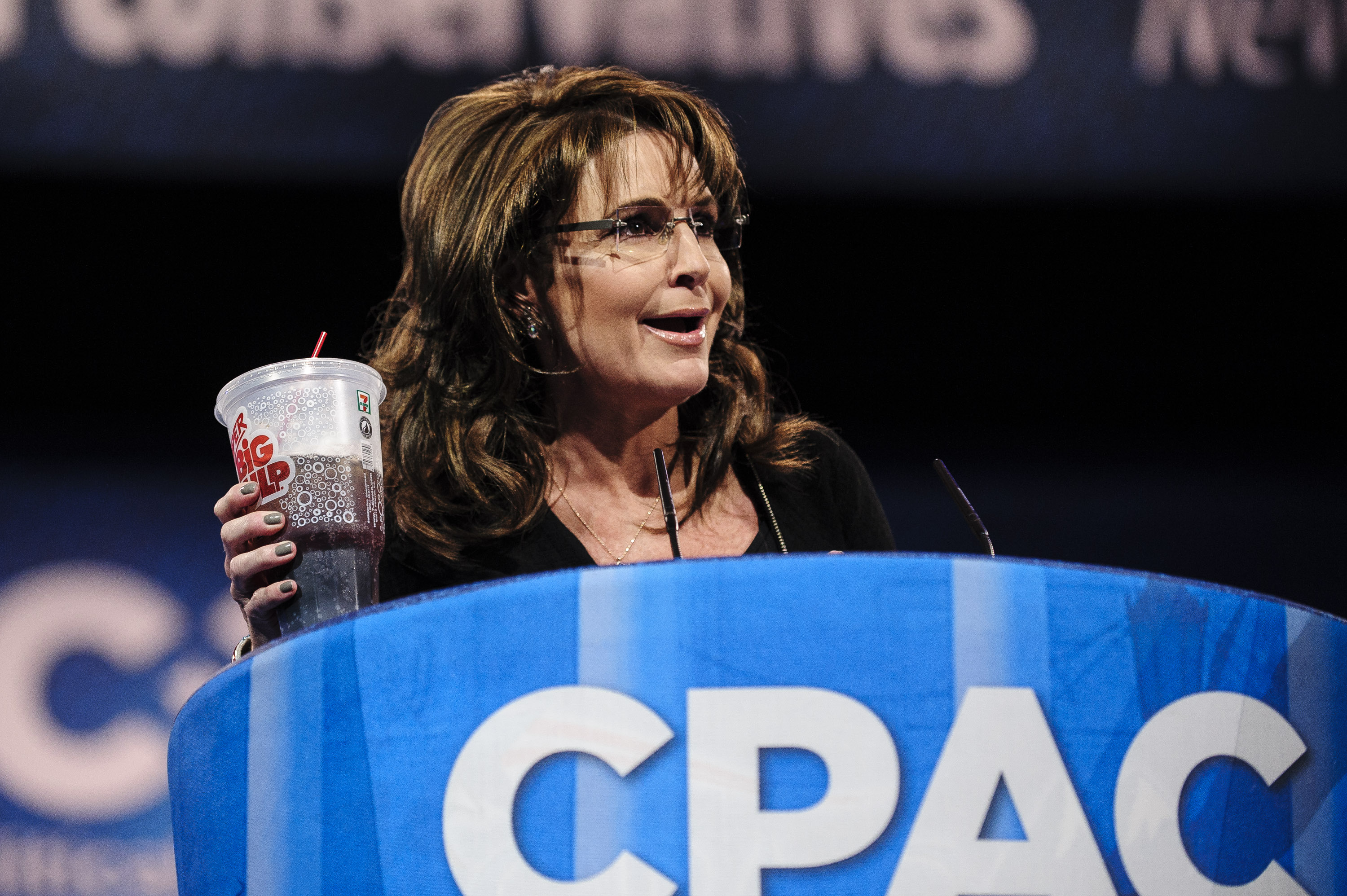
Looks like a Nascar driver in victory lane holding the drink for the camera.
Does she have sponsorship from 7-11?
Everyone knows today is in rembrance of Dr. Harold Beverage, inventor of the Beverage antenna.
Of all the things people put up with in Chicago, the thing that really chapped their hides was an increase in soft drink taxes by Cook County a few years back. They rose in protest to loose those shackles and the tax was cancelled.
Not much has happened since then.
Been noticing Walmart prices on soda going insane lately. $30-$40 for a 24 pack? For some reason orange soda prices have gone crazy on Walmart. Meanwhile at the local convenience store, that same 24 pack,is around d $10.00 (still too high, but loads better tha what Walmart is selling it for)
Soda is another thing the left want to do away with. I beleive the left are born with an over-enlarged hate gene that causes them to attack anything that others might enjoy
Disclaimer: Opinions posted on Free Republic are those of the individual posters and do not necessarily represent the opinion of Free Republic or its management. All materials posted herein are protected by copyright law and the exemption for fair use of copyrighted works.