Posted on 03/09/2022 6:41:42 PM PST by UMCRevMom@aol.com
One week after Russia launched a large-scale military invasion of Ukraine, the United Nations estimates that more than one million people have fled the Eastern European country.
As the war continues to escalate after the Feb. 24 attack, one segment of the Ukrainian population has found that the decision to flee isn’t that easy.
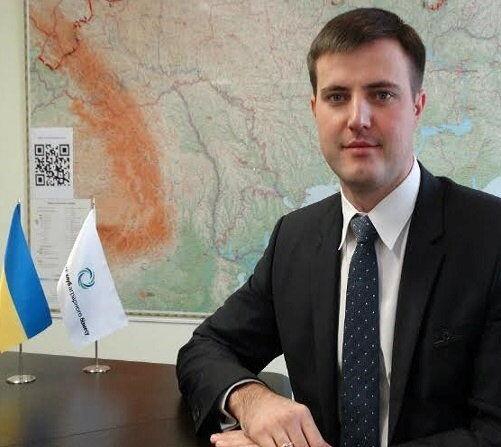
Despite the dangers posed by constant shelling and destruction, the country’s dairy farmers have largely remained on their farms and the threat of a Russian attack isn’t enough to sway them to leave, according to Taras Vysotsky, deputy minister for development of economy, trade and agriculture of Ukraine.
“In most cases, they’re on the farms. Only a few have been abandoned so far,” Vysotsky said during a phone interview with Lancaster Farming. “They’re staying on their farms. They’re going to protect it. They will fight for their farms and their animals to the end.”
The dairy sector is the number two agriculture industry in Ukraine, second behind grain and oilseed production. Vysotsky said agriculture accounts for 20% of the nation’s GDP.
Keeping the industry intact during a war, however, is difficult — especially when it comes to dairy.
Vysotsky said it’s going to cost billions of dollars to rebuild the nation’s infrastructure after just one week of war, and that figure will rise as the fighting continues. Included in the damage is the nation’s once-vibrant dairy industry, even as farmers remain behind to manage their operations. Supply chains have been severely impacted, he said, and raw milk sold from farms has been cut by 50%.
Vysotsky said in many cases, processors can’t come to farms to pick up milk, nor can they stock it for consumers. As a result, the volume of milk being sold and processed has been greatly reduced.
“As for now, lots of farmers… they keep their cattle but they can’t sell raw milk,” he said.
In recent years, Ukraine has been a net exporter of dairy — mainly dry milk and butter — but that component has been diminished as well. According to Vysotsky, there were no exports of dairy products during the last week, and he cautioned the situation could cause shortages and price increases on the global dairy market.
But for now, during the perils of war, Ukraine’s dairy farms remain operational even though the long-term outlook is grim.
Currently, the dairies have enough feed, mainly silage, already stockpiled from last year’s harvest to continue feeding cows, Vysotsky said. He added that dairy farms have enough veterinary supplies on hand for now.
“It’s not critical right now, but if the situation continues, in 10 days it can become critical with a serious shortage of veterinary medicines on farms,” Vysotsky said.
Compounding the matter is the approaching planting season, which Vysotsky said will begin in a few weeks. As of now, he added, there isn’t enough supplies of seeds and pesticides for planting, and it can severely limit a farmer’s ability to replenish feed stockpiles for the following year. Even the upcoming winter wheat harvest will be compromised if the war continues, Vysotsky said.
“It’s possible to manage it if the war ends today or tomorrow. If the war is going on for two or three more weeks, then there will be a risk if they can’t plant so much this spring,” he said.
Despite the current crisis and the uncertain outlook, Vysotsky said the Ukrainian government remains committed to saving the country’s agriculture industry, especially dairy. Aid will be needed in terms of money, veterinary medicine and other supplies necessary to operate a dairy farm, he added, but the nation’s farmers aren’t giving up.
“Our main goal is to save the cows and calves, save the cattle,” Vysotsky said. “In the current conditions when the farmers can’t sell the milk but still have to keep feeding the cattle, we’re going to need support to keep the cattle healthy and in good condition.
“It’s going to be a big task because so much has been destroyed.”
Take the deal. End this war.
Probably nobody will take their farms, they are valuable producers. But you have to keep the animals alive to make a profit. Hopefully both sides will be hands off on these farmers.
Russia get out.
More Great Patriotic War propaganda. “Hero dairy farmers!” I am waiting for the tank factory workers to finish making their tank and drive it straight to the front. And soon, a Uke sniper will shoot the Russian master sniper right through his riflescope!
It’s getting comical. They are trying too hard.
"Who wants to send a message to Ukraine?"

Dairy farm is a cover word for Bio Lab.
I feel sorry for those that need to mock a post just to build your ego. Typically, I ghost. But, know all you accomplish degrading the validity of your current comment but your future comments.
Ukraine agriculture has been evolving since it achieved independence in 1991, following the breakup of the Soviet Union. State and collective farms were officially dismantled in 2000. Farm property was divided among the farm workers in the form of land shares and most new shareholders leased their land back to newly-formed private agricultural associations.
The weather is suitable for both winter and spring crops. Of Ukraine’s total land area of 60 million hectares [42 million] is classified as agricultural land, which includes cultivated land (grains, technical crops, forages, potatoes and vegetables, and fallow), gardens, orchards, vineyards, and permanent meadows and pastures. Winter wheat, spring barley, and corn are the country’s main grain crops. Sunflowers and sugar beets the main technical, or industrial, crops.
Lacking timely resupply, Russian soldiers will be slaughtering the dairy cows for food. Over your dead body, Mr. farmer.
Disclaimer: Opinions posted on Free Republic are those of the individual posters and do not necessarily represent the opinion of Free Republic or its management. All materials posted herein are protected by copyright law and the exemption for fair use of copyrighted works.