Free Republic
Browse · Search
News/Activism
Topics · Post Article

Skip to comments.

Mystery killer silencing honeybees
Philadelphia Inquirer ^ | Mon, Feb. 05, 2007 | Sandy Bauers

Posted on 02/18/2007 9:23:50 PM PST by fishhound

Something is killing the nation's honeybees.

Dave Hackenberg of central Pennsylvania had 3,000 hives and figures he has lost all but about 800 of them.

In labs at Pennsylvania State University, the Pennsylvania Department of Agriculture, and elsewhere in the nation, researchers have been stunned by the number of calls about the mysterious losses.

"Every day, you hear of another operator," said Dennis vanEngelsdorp, acting state apiarist with the Pennsylvania Department of Agriculture. "It's just causing so much death so quickly that it's startling."

At stake is the work the honeybees do, pollinating more than $15 billion worth of U.S. crops, including Pennsylvania's apple harvest, the fourth-largest in the nation, worth $45 million, and New Jersey's cranberries and blueberries.

While a few crops, such as corn and wheat, are pollinated by the wind, most need bees. Without these insects, crop yields would fall dramatically. Agronomists estimate Americans owe one in three bites of food to bees.

The problem caps 20 years of honeybee woes, including two mites that killed the valuable insect and a predatory beetle that attacked the honeycombs of weak or dead colonies.

"This is by far the most alarming," said Maryann Frazier, an apiculture - or beekeeping - expert at Penn State's College of Agricultural Sciences.

(Excerpt) Read more at philly.com ...


TOPICS: Culture/Society; Miscellaneous; News/Current Events; Unclassified
KEYWORDS: apiculture; beedieoff; beekeeping; honey
This does not look good.

Here is more info from Penn State.

http://aginfo.psu.edu/news/07Jan/HoneyBees.htm

1 posted on 02/18/2007 9:23:53 PM PST by fishhound
[ Post Reply | Private Reply | View Replies]

To: fishhound
OMG !! GLOBAL BUZZING !!

> This does not look good.

In all seriousness, this could be a freakin' disaster in the making. Honeybees have been in trouble for years, but this kind of falloff is really quite worrisome. It could also be an indicator of something larger, where the bees' trouble is only one symptom, and more are to follow. Worth keeping an eye on.

2 posted on 02/18/2007 9:30:09 PM PST by dayglored (Listen, strange women lying in ponds distributing swords is no basis for a system of government!)
[ Post Reply | Private Reply | To 1 | View Replies]

To: fishhound

At Thanksgiving I always give thanks to the honeybees and most people around me look as if I've gone insane-- a few a get it.

Without honeybees, many people would starve. Hope this doesn't get out of control.


3 posted on 02/18/2007 9:31:00 PM PST by agooga (When boyhood's fire was in my blood, I read of ancient free men...)
[ Post Reply | Private Reply | To 1 | View Replies]

To: fishhound

http://www.pittsburghlive.com/x/pittsburghtrib/news/cityregion/s_483406.html

http://maarec.cas.psu.edu/index.html


http://maarec.cas.psu.edu/pressReleases/ColonyCollapseDisorderWG.html


4 posted on 02/18/2007 9:31:21 PM PST by fishhound
[ Post Reply | Private Reply | To 1 | View Replies]

To: fishhound

Pesticides soaked up by the plants, applied by the farmers, to control aphids, scales, and other parasites is a possible cause. Given the recent banning of popular, proven pesticides, the newer ones may have the side effect of killing bees. Systemic ones, which would get into the plant's nectar, have become popular.

I raise a few cherry trees, and bees coming to them have all but disappeared.


5 posted on 02/18/2007 9:32:56 PM PST by Sundog (What are we going to do tomorrow, Brain?)
[ Post Reply | Private Reply | To 1 | View Replies]

To: fishhound

That happened out here in the PNW about 5 years ago. I think they tracked the die off to a virus or parasite if I recall. It healed itself after decimating many bees.


6 posted on 02/18/2007 9:34:33 PM PST by bigfootbob
[ Post Reply | Private Reply | To 1 | View Replies]

To: Sundog
Systemic ones, which would get into the plant's nectar, have become popular.

Fipronil, made by Bayer. It's the ingredient in Frontline flea/tick control, and ...
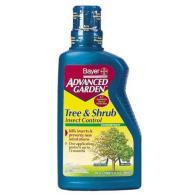
Fipronil is implicated in European bee problems.

7 posted on 02/18/2007 9:36:39 PM PST by Spirochete
[ Post Reply | Private Reply | To 5 | View Replies]

To: Sundog

I garden and this year I was going to have a bee hive.


I am thinking some food comodities people will make a lot of money and all of us may be adjusting our habits in some damn unpleasant way.

I do think that there were always a lot more bees around when i was a kid. ( Course I was a kid and it was sort of an antagonistic relationship...vengeful little bastards! lol)


8 posted on 02/18/2007 9:38:54 PM PST by fishhound
[ Post Reply | Private Reply | To 5 | View Replies]

To: Spirochete

http://www.rense.com/health/madbee.htm
old article but is this the same stuff?

At issue is what the Ministry of Environment reports may be the insecticide, Gaucho, produced by the German agrochemical company Bayer SA. It is used to protect sunflowers from parasites.


Here is was a similar alamr of dyoff in 2005. But the one this year must be different.

http://www.palmbeachpost.com/localnews/content/local_news/epaper/2005/03/28/m1a_honeybees_0328.html
Under attack from a Southeast Asian parasite, vast numbers of the creatures are dying off, worried industry experts say. More than 50 percent of the bees in California, critical to the success of the Golden State's almond crop, have died during the past six months. Frantic growers there have sent out the call around the world, including Florida, for hives.


9 posted on 02/18/2007 9:43:47 PM PST by fishhound
[ Post Reply | Private Reply | To 7 | View Replies]

To: fishhound
I have noticed over some years that the honey bees have largely disappeared. For what reason that is very discomforting to me.
10 posted on 02/18/2007 9:53:13 PM PST by RunningWolf (2-1 Cav 1975)
[ Post Reply | Private Reply | To 1 | View Replies]

To: TigersEye

honey bee ping


11 posted on 02/18/2007 10:05:43 PM PST by pandoraou812 ( zero tolerance to the will of Allah ...... dilligaf? with an efg.....)
[ Post Reply | Private Reply | To 10 | View Replies]

To: fishhound

We live in Western Riverside County, California. We have many Eucalyptus trees as well Citrus and volumes of other species of plants and shrubs on our property. We have bee's by the...uncountable thousands maybe millions of them here. The trees, shrubs and groundcover are crawling with bees.


12 posted on 02/18/2007 10:11:38 PM PST by rockinqsranch (Dems, Libs, Socialists...call 'em what you will...They ALL have fairies livin' in their trees.)
[ Post Reply | Private Reply | To 9 | View Replies]

To: fishhound

>> Gaucho, produced by the German agrochemical

The active ingredient is imidacloprid

http://www.freerepublic.com/focus/f-news/1785723/posts?page=41#41


13 posted on 02/18/2007 10:45:10 PM PST by VxH (There are those who declare the impossible - and those who do the impossible.)
[ Post Reply | Private Reply | To 9 | View Replies]

To: pandoraou812

Thanks for the ping. This is a serious problem.


14 posted on 02/18/2007 11:38:58 PM PST by TigersEye (Copperheads are infesting our country.)
[ Post Reply | Private Reply | To 11 | View Replies]

To: fishhound


I wonder if the genetically modified crops have had any negative influence on bees?
I read several places that the Monarch Butterflies are decreasing greatly because of the GM corn crops. This website talks mentions the honey bees: http://dnawiz.com/dna-research/genetically-modified-foods-and-biosafety.html

Genetically modified products such as canola have been reported to kill beneficial insects such as the Monarch Butterfly larvae and honey bees.


15 posted on 02/18/2007 11:51:25 PM PST by Bittersweetmd (God is Great and greatly to be praised.)
[ Post Reply | Private Reply | To 1 | View Replies]

To: fishhound

A little late....
http://www.freerepublic.com/focus/f-news/1783102/posts


16 posted on 02/19/2007 3:39:10 AM PST by xcamel (Press to Test, Release to Detonate)
[ Post Reply | Private Reply | To 1 | View Replies]

To: xcamel; RunningWolf; All

I tried the search by title and did not find anything.


Here is a page for a book i bought...it will turn your stomach if you get a chance to read it. I don't know about the CD's on the right they are new.

http://www.seedsofdeception.com/Public/Home/index.cfm


I do know that wherever this author goes to speak and sign books, Monsanto sends lawyers to hand out papers in opposition. He writes about it in the Preface.


17 posted on 02/19/2007 8:17:27 AM PST by fishhound
[ Post Reply | Private Reply | To 16 | View Replies]

To: fishhound

I cant help but wonder if this started out being something to use against killer bees, and it got out of control?


18 posted on 02/19/2007 9:03:39 AM PST by weezel
[ Post Reply | Private Reply | To 1 | View Replies]

To: weezel

Dunno, but so far, my eurobees have been immune. Time will tell.


19 posted on 02/19/2007 10:49:01 AM PST by xcamel (Press to Test, Release to Detonate)
[ Post Reply | Private Reply | To 18 | View Replies]

To: fishhound
>>Monsanto sends lawyers to hand out papers in opposition.

Not surprising. While looking into the Bee mystery, I added a new word to my vocabulary BIOPHARMING

http://www.kahea.org/gmo/pdf/FOE_BIOPHARM_REPORT.pdf

I can't believe they're actually stupid enough to be doing this.
20 posted on 02/19/2007 4:55:24 PM PST by VxH (There are those who declare the impossible - and those who do the impossible.)
[ Post Reply | Private Reply | To 17 | View Replies]

To: Sundog
I live in a suburban area and grow tomatoes. I have noticed that the number of bees have been declining. I have been hand pollinating my tomatoes.

I understand that mason bees are an alternative to honey bees for pollinating. They do not produce honey but can help with pollination. You can also get bumble bees to pollinate for you. The mason bees are portable, but the bumble bees are not. Neither are as good an alternative as the European honey bee we currently use.
21 posted on 02/19/2007 5:29:31 PM PST by Pete from Shawnee Mission
[ Post Reply | Private Reply | To 5 | View Replies]

To: weezel

I acquired a pint of honey from bees that buzz roses. I put it on hot bagels. It tastes like women wearing perfume.


22 posted on 02/19/2007 5:38:59 PM PST by BobS
[ Post Reply | Private Reply | To 18 | View Replies]

To: VxH
Stop granting permits for open-air cultivation of all crops genetically engineered with biopharmaceuticals (such as vaccines), industrial chemicals, or other substances with potential human health impacts. Crops engineered with industrial biochemicals are not approved for human consumption. Crops engineered with drugs are, at best, approved for consumption only by people with a doctorÕs prescription.

OPEN AIR BIOPHARM???? Are they freaking nuts?

Cover the plants and germinate them in some really inhostpitable place; like Antarctica.

23 posted on 02/19/2007 5:51:06 PM PST by Centurion2000 (If you're not being shot at, it's not a high stress job.)
[ Post Reply | Private Reply | To 20 | View Replies]

To: Pete from Shawnee Mission

For years I had a big undergound bumble bee nest that lived between my shed and a fence, where the soil temperature was moderated, and that probably helped me keep the cherries going. Otherwise, it would take finding dead bees to analyze. Just a funny thought, if the Amish don't use pesticides, do they have any bee die-off symptoms to report?


24 posted on 02/19/2007 6:12:58 PM PST by Sundog (What are we going to do tomorrow, Brain?)
[ Post Reply | Private Reply | To 21 | View Replies]

To: fishhound

Most people do not realize how important these little ladies are to us. Or how amazingly fragile they are.


25 posted on 02/19/2007 6:18:57 PM PST by Spruce
[ Post Reply | Private Reply | To 1 | View Replies]

To: Sundog; Diana in Wisconsin; dayglored; fishhound

For info on mason bees:

http://gardening.wsu.edu/library/inse006/inse006.htm

"The orchard mason bee (Osmia lignaria) is a gentle beneficial insect that has potential as a pollinator of apples, cherries, and other tree fruits. It is found throughout most of North America, particularly in wooded areas but often around homes in towns and cities.

and:

http://www.farminfo.org/bees/mason-bees.htm

Specialized Pollinators: Mason bees prefer to forage on flowers in the apple family, including many varieties of apples, cherries, plums, peaches, and similar "stone fruits". Because they specialize on these plants, they are exceptionally good pollinators of them. They will forage on other flowers as well.


and bumblebees:

http://www.ipm.iastate.edu/ipm/iiin/bbumbleb.html

Bumble bee nests are small compared to honey bees, as each nest contains only a few hundred individuals. Also, unlike honey bees, a bumble bee nest is annual and is used only one year and then abandoned. Bumble bees may re-appear in the same area from one year to the next but they do not reuse an old nest. Bumble bee colonies are usually underground in a deserted mouse or bird nest though they are occasionally found within wall cavities or even in the clothes drier vent.


26 posted on 02/20/2007 6:38:35 AM PST by Pete from Shawnee Mission
[ Post Reply | Private Reply | To 24 | View Replies]

To: Pete from Shawnee Mission

Thank you.


27 posted on 02/20/2007 6:48:36 AM PST by Sundog (What are we going to do tomorrow, Brain?)
[ Post Reply | Private Reply | To 26 | View Replies]

To: Pete from Shawnee Mission

It's the same here in the South. Tomatoes and cucumbers for the last few years have needed a little extra help. Two of the hives (both here in hollow trees long before we moved in) have disappeared.

We go out in the mornings with a soft, small paint brush and gently brush the blooms. I don't know what real farmers will do.


28 posted on 02/20/2007 7:04:22 AM PST by Ping-Pong
[ Post Reply | Private Reply | To 21 | View Replies]

To: Ping-Pong

There are currently people who take bees on truck and go from place to place to pollinate crops. I saw something where they were starting to use the Mason bees instead of the honey bees.


29 posted on 02/20/2007 7:35:19 AM PST by Pete from Shawnee Mission
[ Post Reply | Private Reply | To 28 | View Replies]

To: fishhound

Previous posts on this topic.

Bees getting sick; from 2002
http://www.freerepublic.com/focus/f-news/691644/posts

Pesticide kills bees (France) from 2004
http://www.freerepublic.com/focus/f-news/1097075/posts


30 posted on 02/20/2007 7:41:01 AM PST by Pete from Shawnee Mission
[ Post Reply | Private Reply | To 1 | View Replies]

To: fishhound

on the website whatdoesitmean dot com they have another weird article on honeybees .


31 posted on 02/20/2007 7:43:29 AM PST by DvdMom (Impeach Nifong -)
[ Post Reply | Private Reply | To 9 | View Replies]

To: DvdMom

I went to the website but didn't see anything on bees - can you tell me exactly where to look - I'm really interested. Thank you


32 posted on 02/20/2007 7:50:33 AM PST by Ping-Pong
[ Post Reply | Private Reply | To 31 | View Replies]

To: Pete from Shawnee Mission

I wonder if yellow jackets are enemies to bees. Since the decline of the honey bee we have HUGE hives of yellow jackets. They are the meanest things I have ever been stung by.


33 posted on 02/20/2007 8:22:12 AM PST by Ping-Pong
[ Post Reply | Private Reply | To 29 | View Replies]

To: Ping-Pong; fishhound; Sundog; dayglored

"I wonder if yellow jackets are enemies to bees."

This story was posted on Drudge today.

http://www.telegraph.co.uk/news/main.jhtml?xml=/news/2007/02/21/whornets21.xml


"Swarms of giant hornets renowned for their vicious stings and skill at massacring honeybees have settled in France."

Don't know if Hornets and Yellow Jackets are the same. If so, start destroying them wherever you see them.


34 posted on 02/21/2007 6:48:06 AM PST by Pete from Shawnee Mission
[ Post Reply | Private Reply | To 33 | View Replies]

To: Pete from Shawnee Mission

Thank you for letting me know about this.

I recently saw a program on television about these hornets -Terrible creatures. Just a few of them wiped a hive out. Bee carcases were laying all over while they took the larvae back to their nests to feed their babies.

No, hornets and yellow jackets are not the same but both really hurt. Unlike bees, they don't lose their stingers and continue to sting over and over. Last summer I was one of their targets so now I very carefully approach any tree base, where they nest underground. Whenever we see them we kill them and I must say, take a great deal of pleasure in doing so.

Thank you again.


35 posted on 02/21/2007 8:08:19 AM PST by Ping-Pong
[ Post Reply | Private Reply | To 34 | View Replies]

Disclaimer: Opinions posted on Free Republic are those of the individual posters and do not necessarily represent the opinion of Free Republic or its management. All materials posted herein are protected by copyright law and the exemption for fair use of copyrighted works.

Free Republic
Browse · Search
News/Activism
Topics · Post Article

FreeRepublic, LLC, PO BOX 9771, FRESNO, CA 93794
FreeRepublic.com is powered by software copyright 2000-2008 John Robinson